
Practical information
The Oñati Tourist Office organizes guided tours to discover the town center and history of Oñati. Starting at the Sancti Spiritus University and the Church of San Miguel, the tour offers the chance to see the town's most significant streets and palaces. The tour ends at the Bidaurreta Monastery.
Information and guided tours: OÑATI TOURIST OFFICE (Telephone: 943 783 453 E-mail: turismo@onati.eus ).
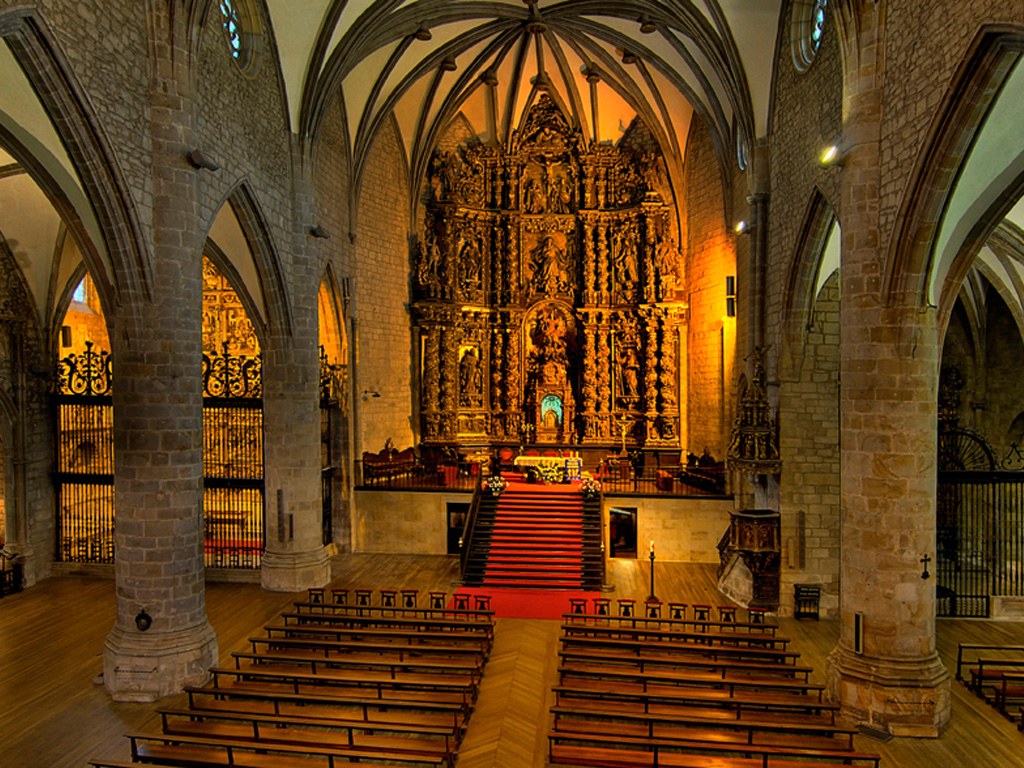
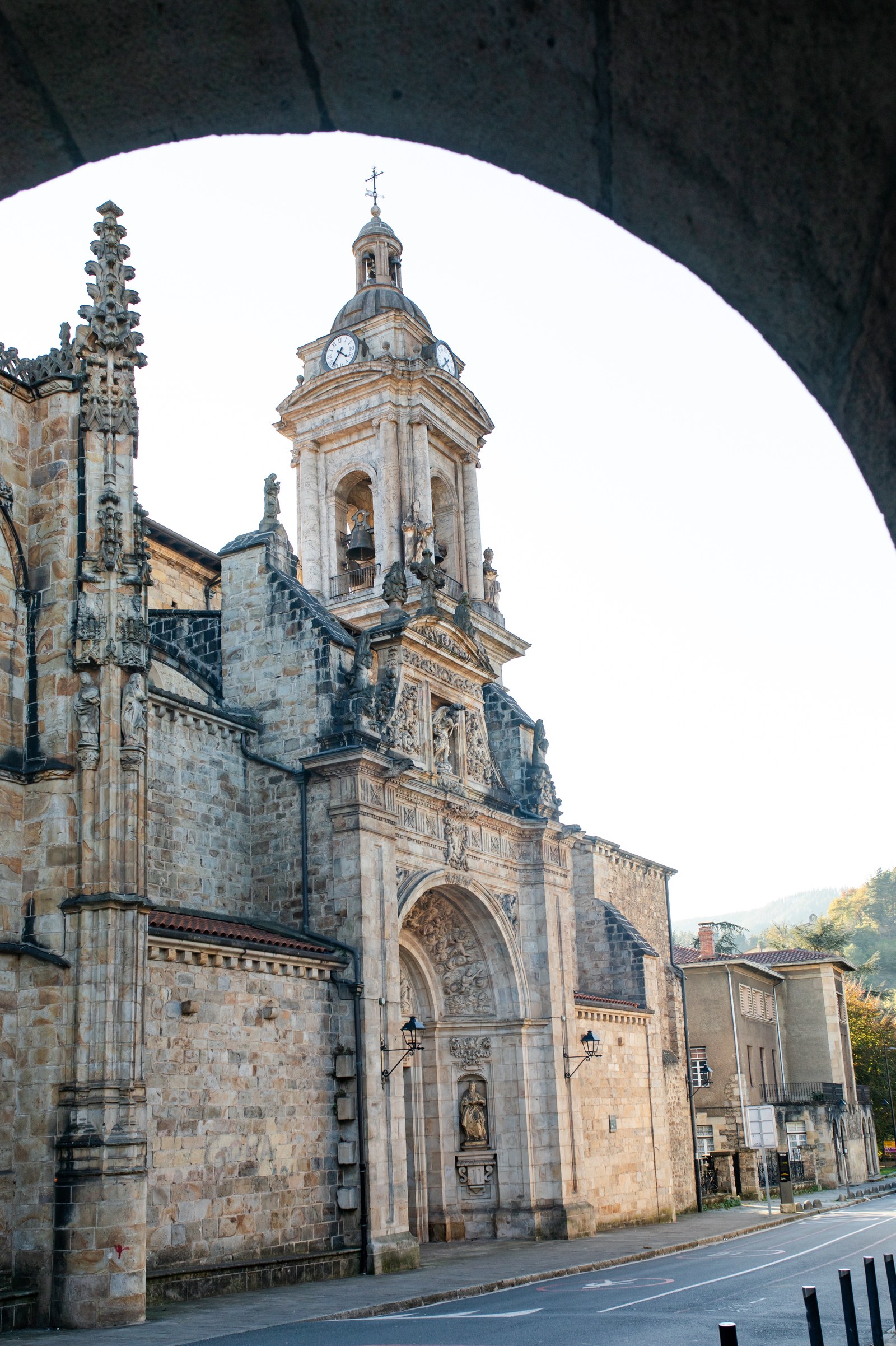
The Church of Saint Michael the Archangel is the main parish church in Oñati. It is a 15th-century building (constructed on top of an earlier one), and one of its chapels, the Chapel of the Pietà, houses a Renaissance altarpiece, one of the finest in the Basque Country.
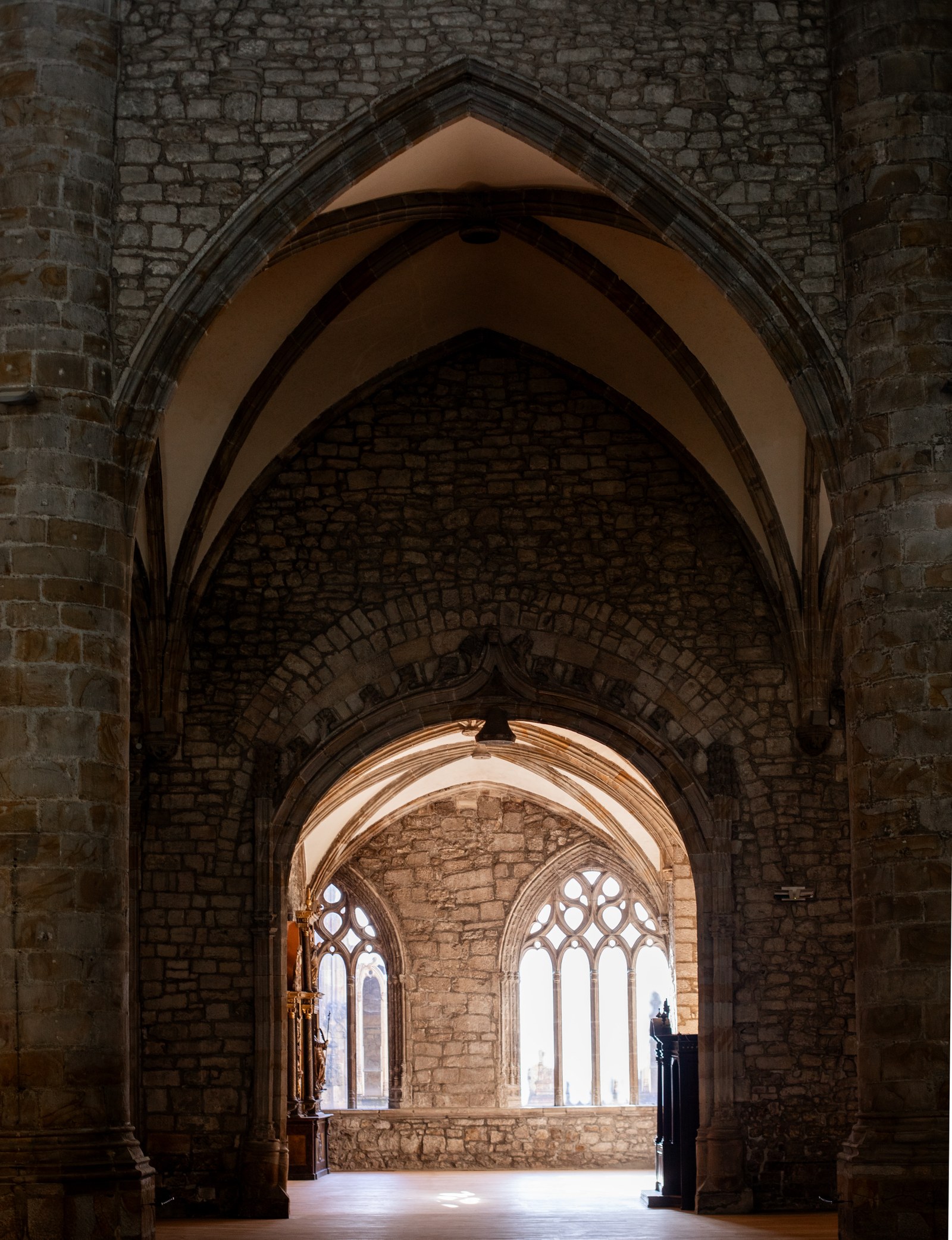
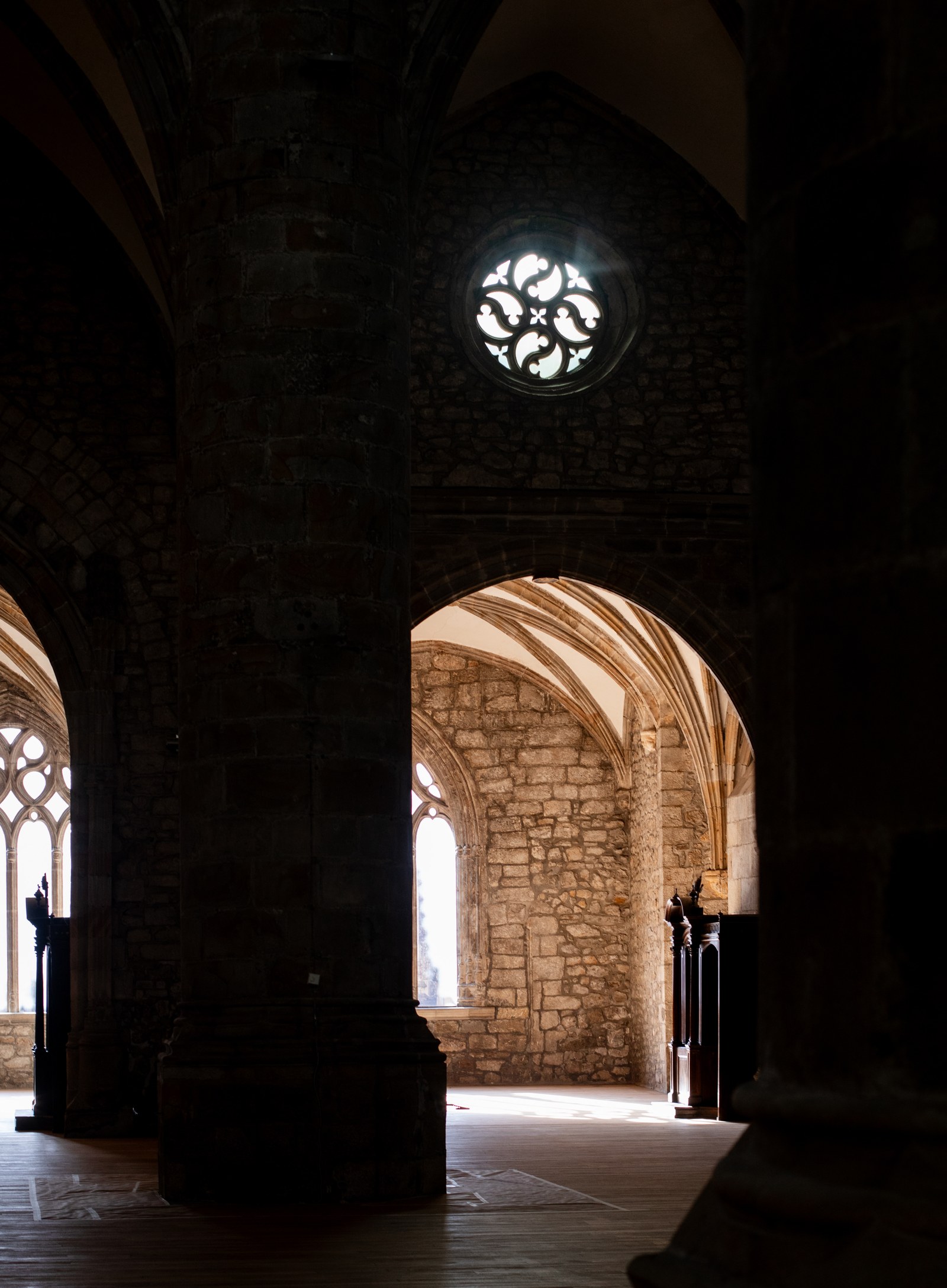
The church is Gothic in style, with three naves, the central one being taller than the side aisles. The naves are separated by cylindrical columns.
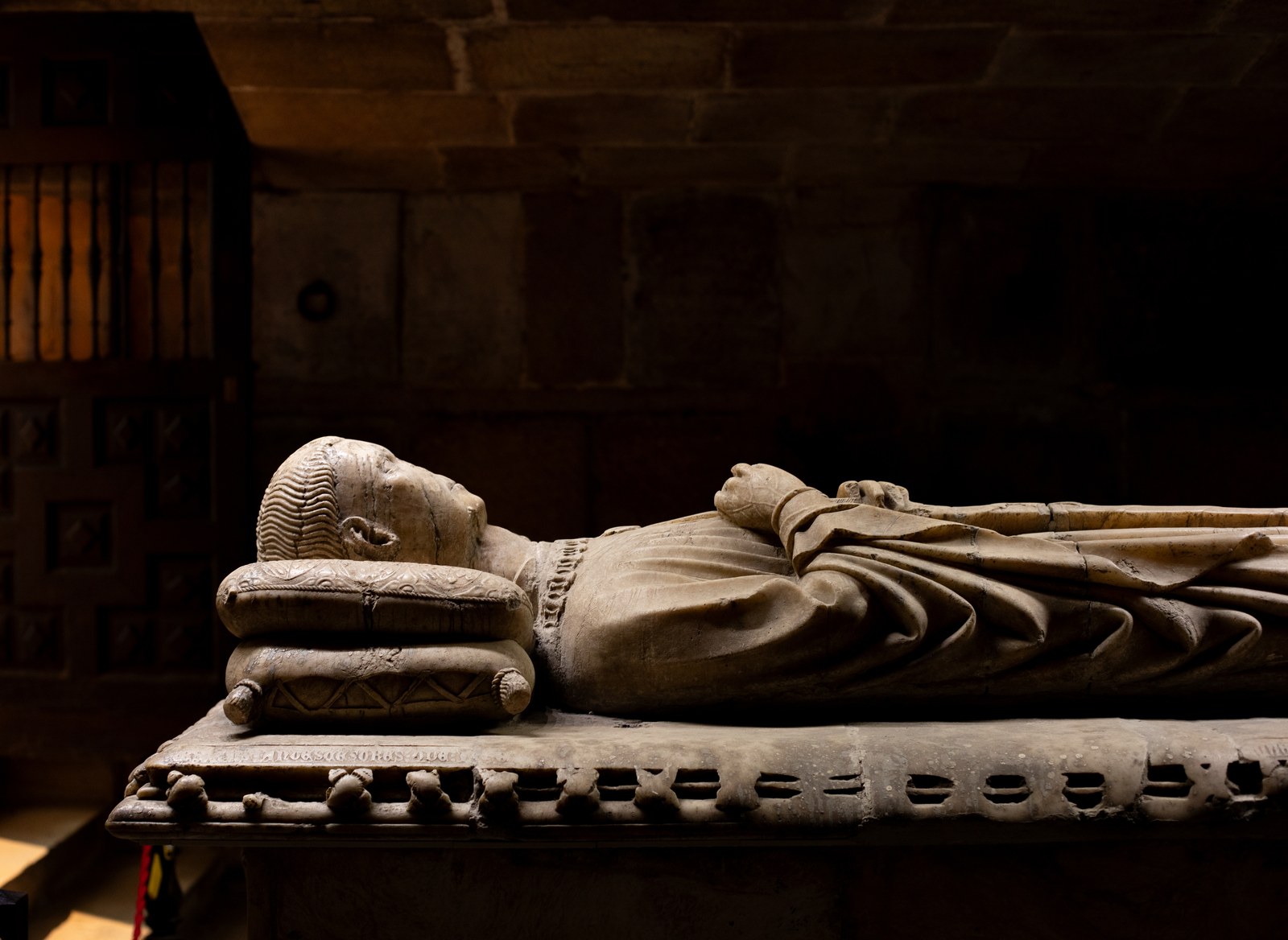
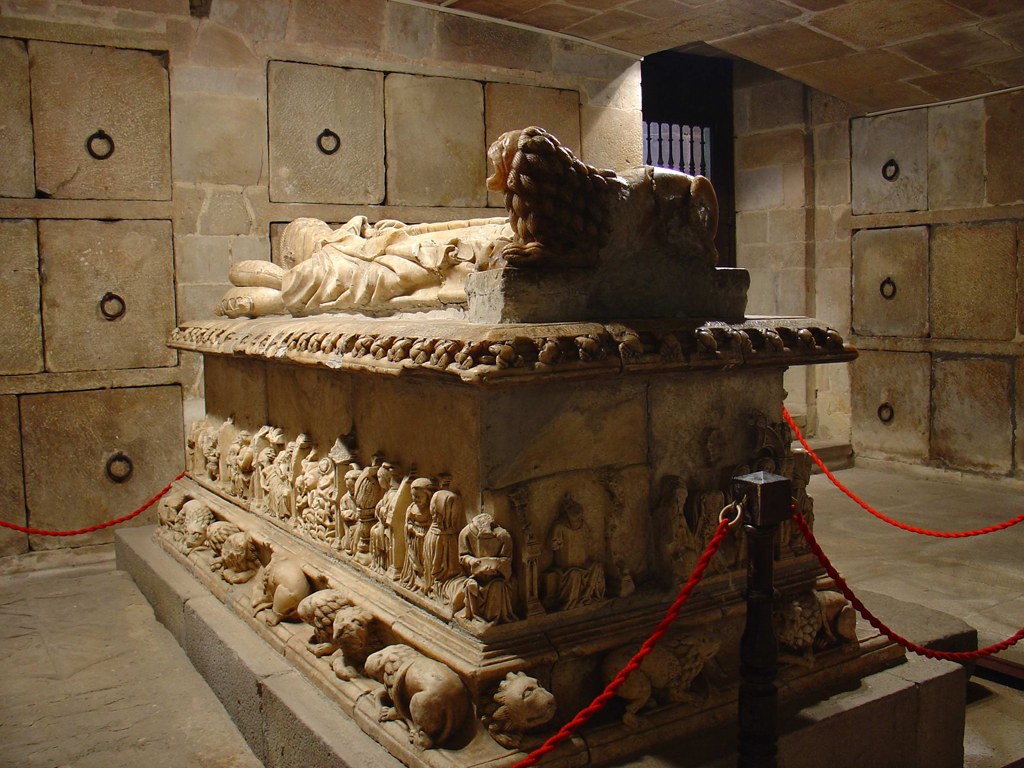
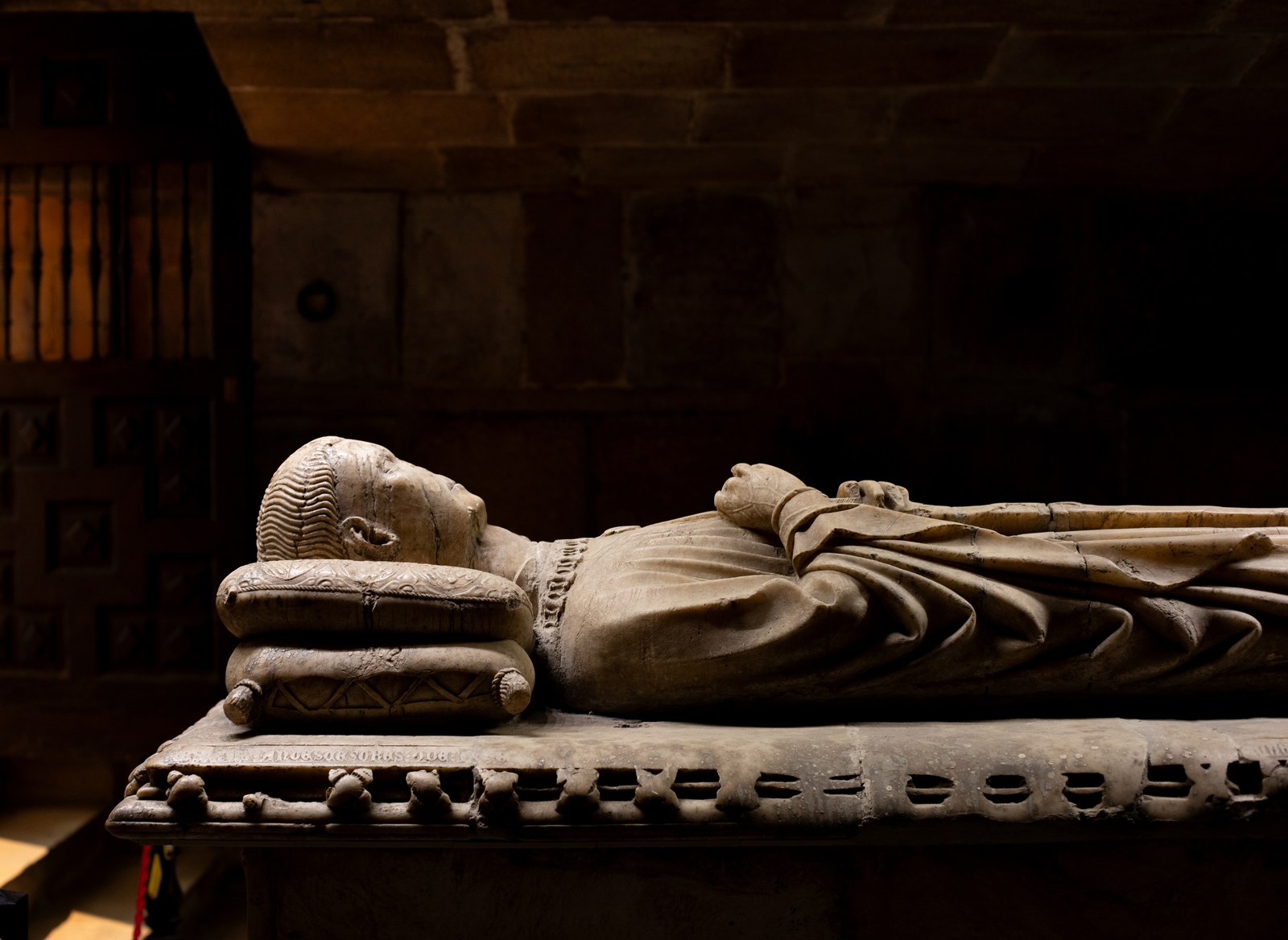
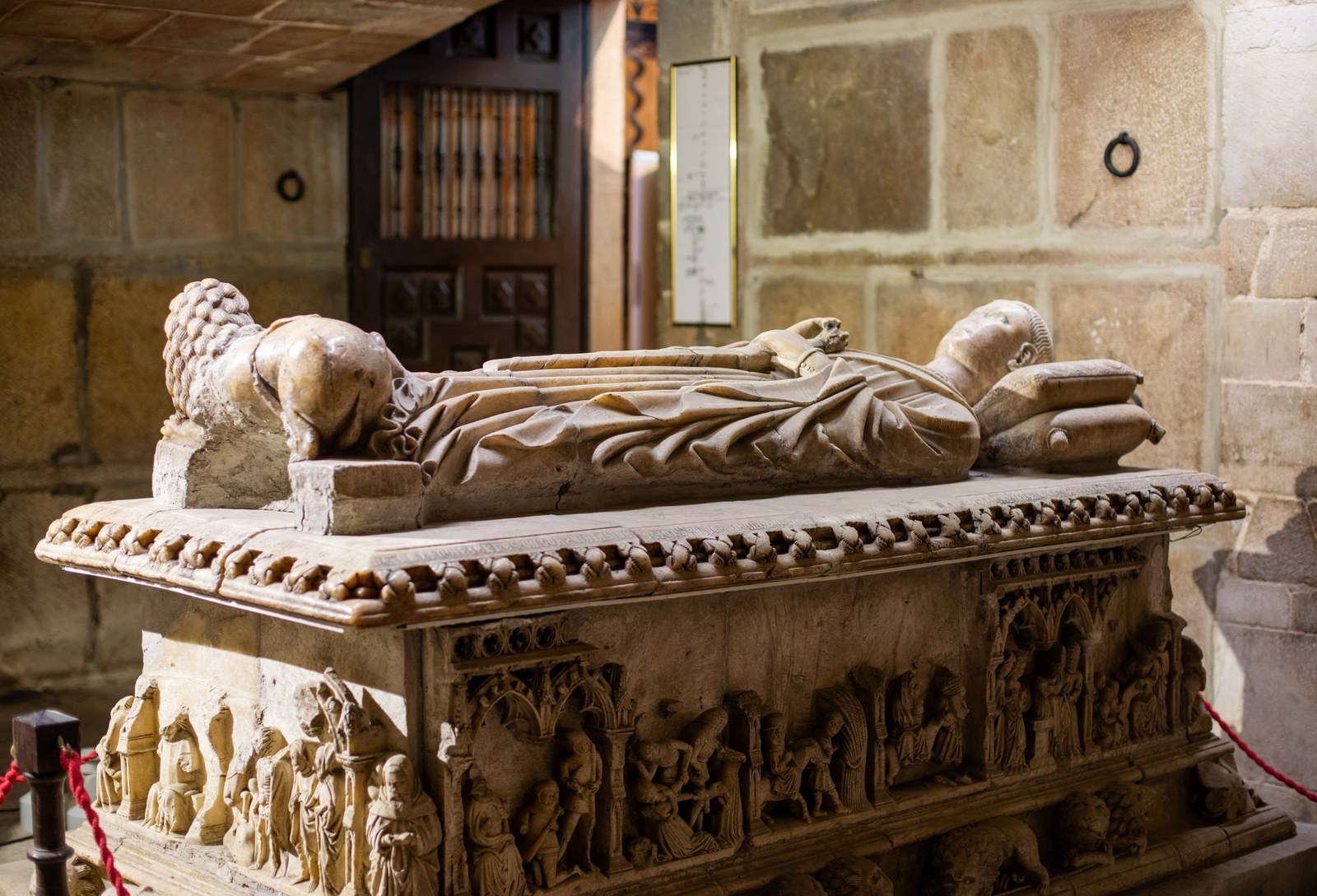
Among the church’s treasures are several altarpieces and two tombs: the 15th-century tomb of Pedro Vélez de Guevara y de Ayala, located in the crypt, and the monumental 16th-century tomb of Bishop Rodrigo Mercado de Zuazola.
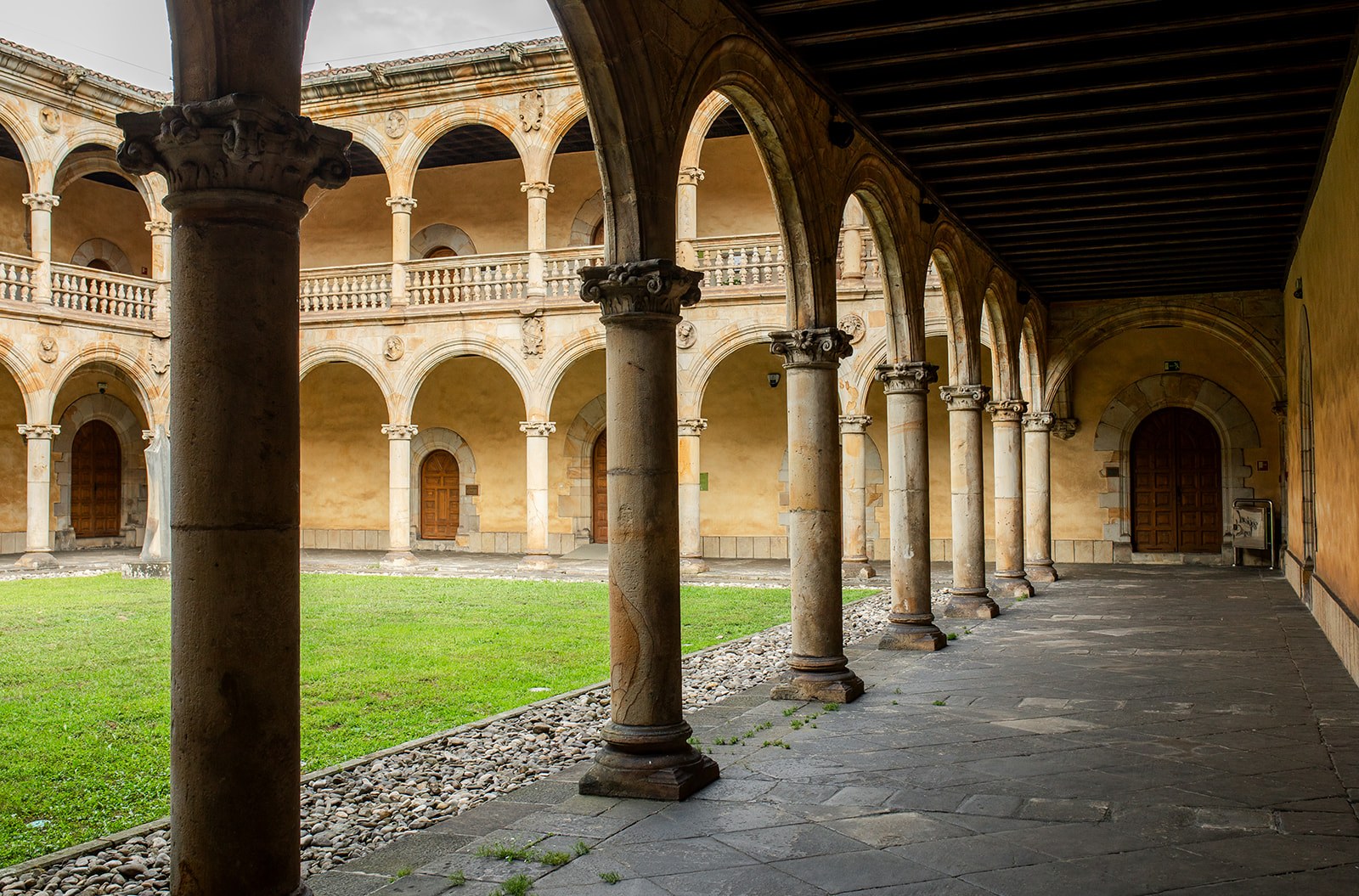
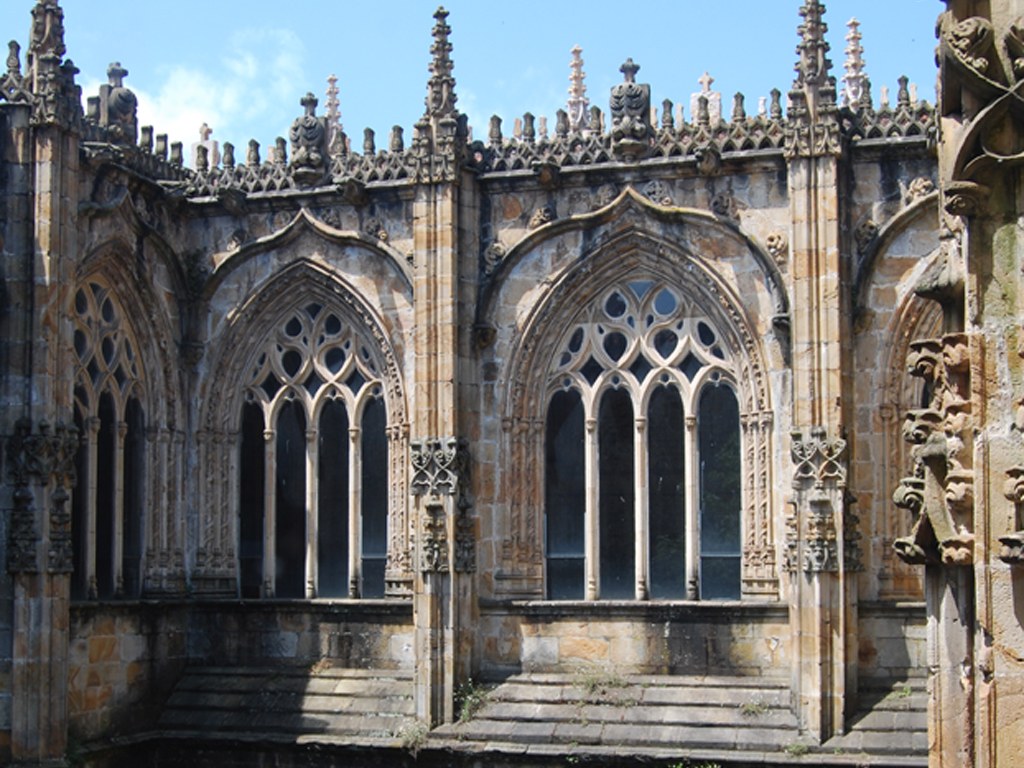
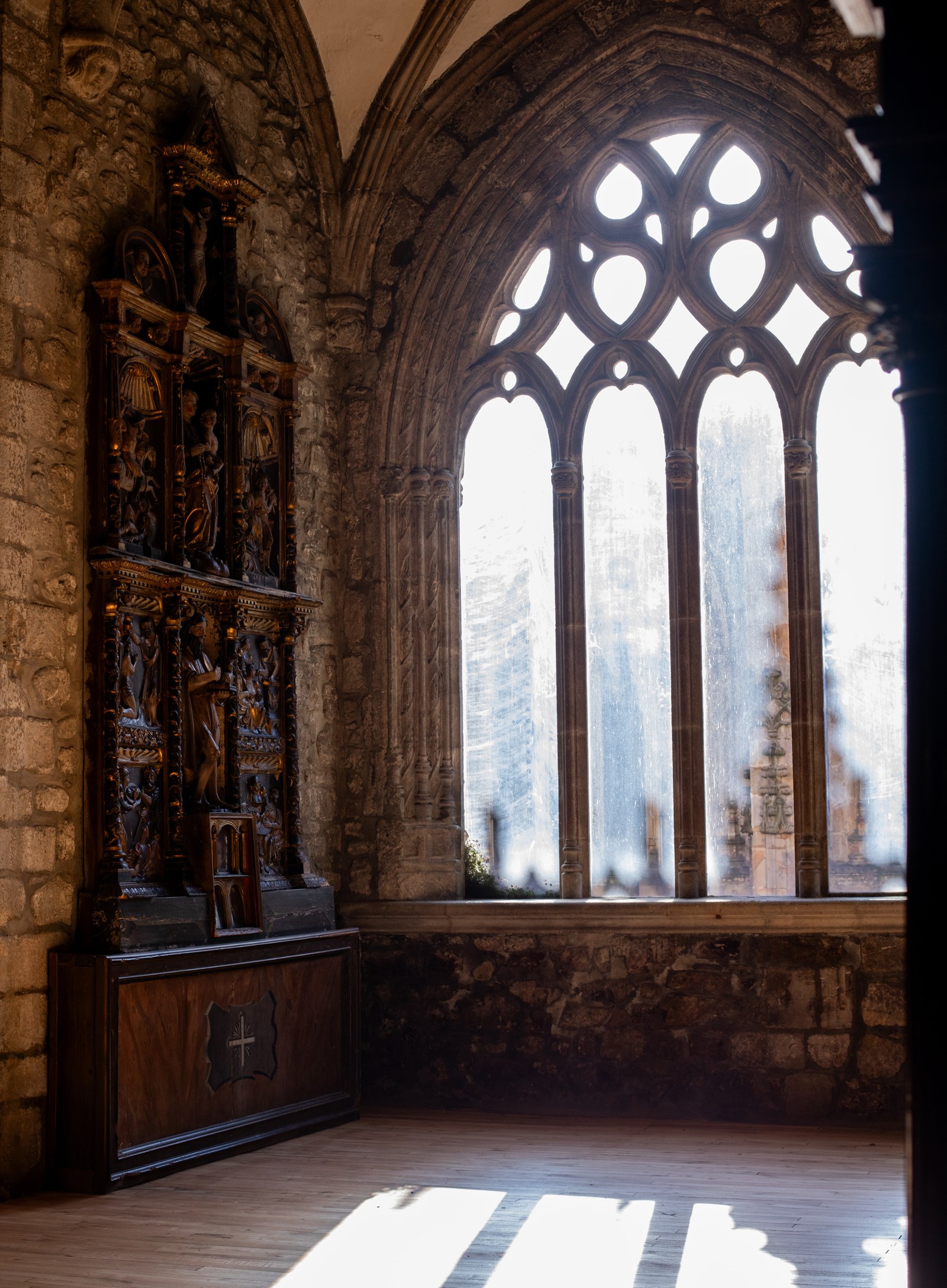
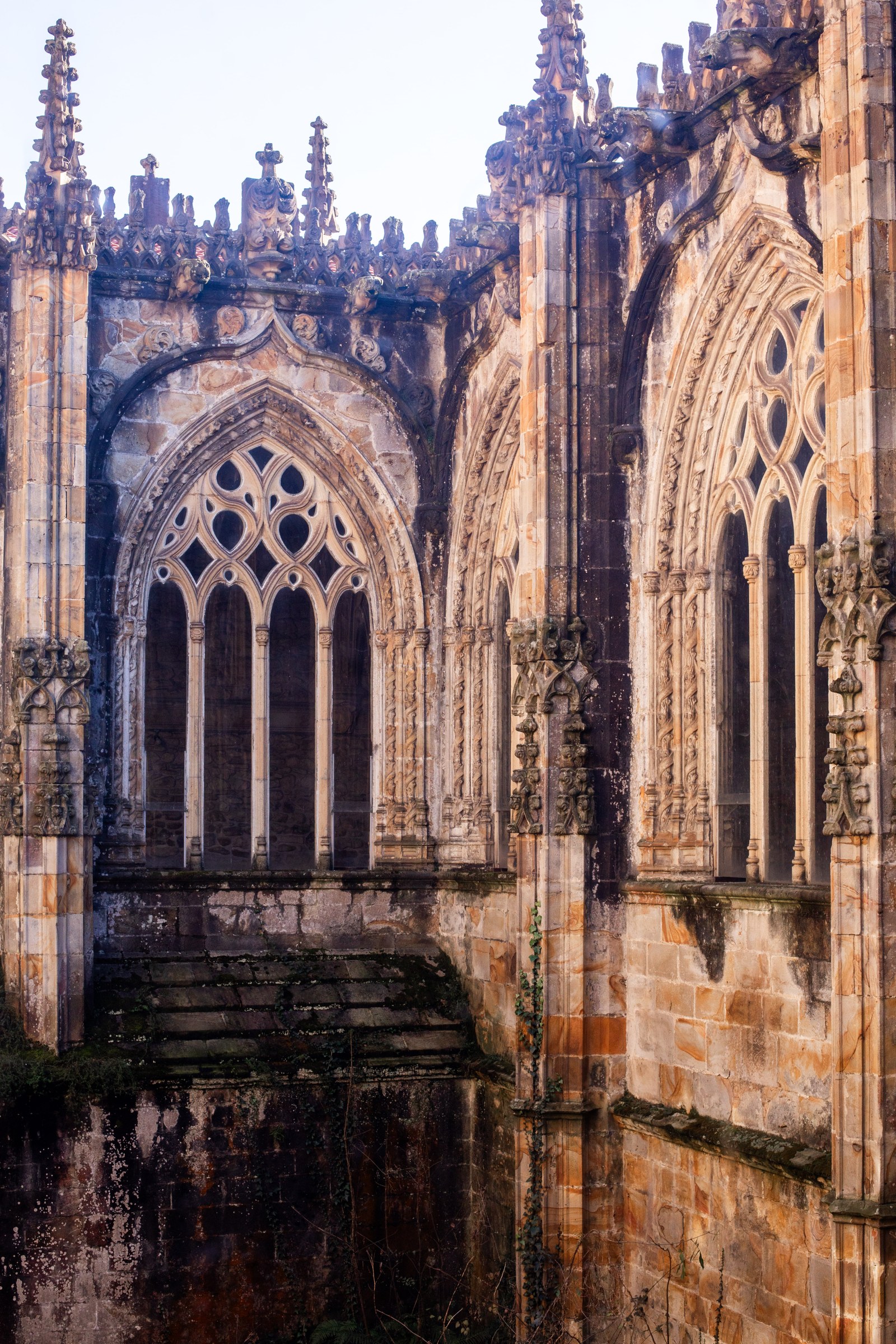
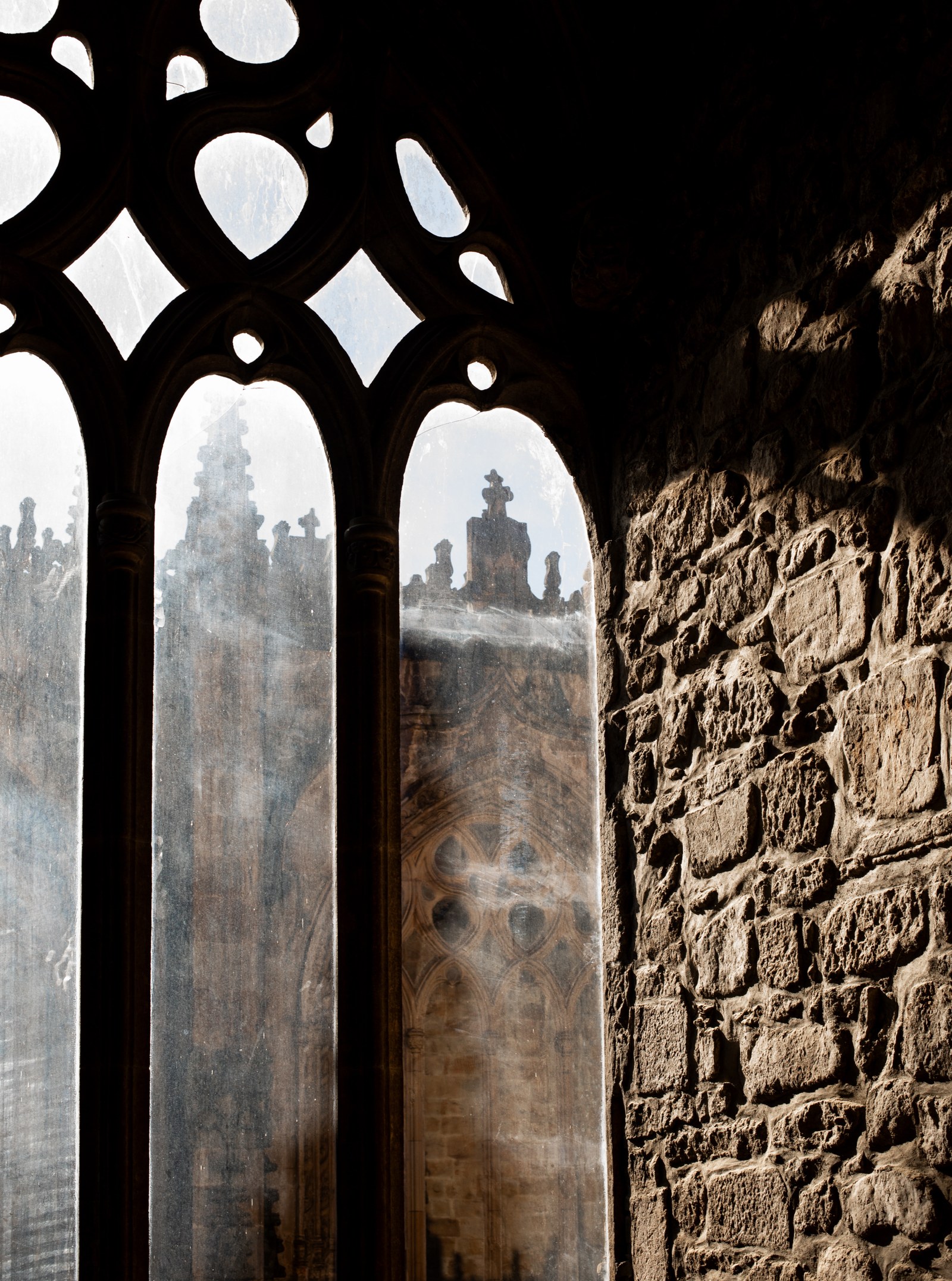
The cloister is exceptional and unique, built over the Ubao stream. It is in the Flamboyant Gothic style. Zuatzola himself contributed financially to its construction in exchange for having his burial chapel built within the church itself.
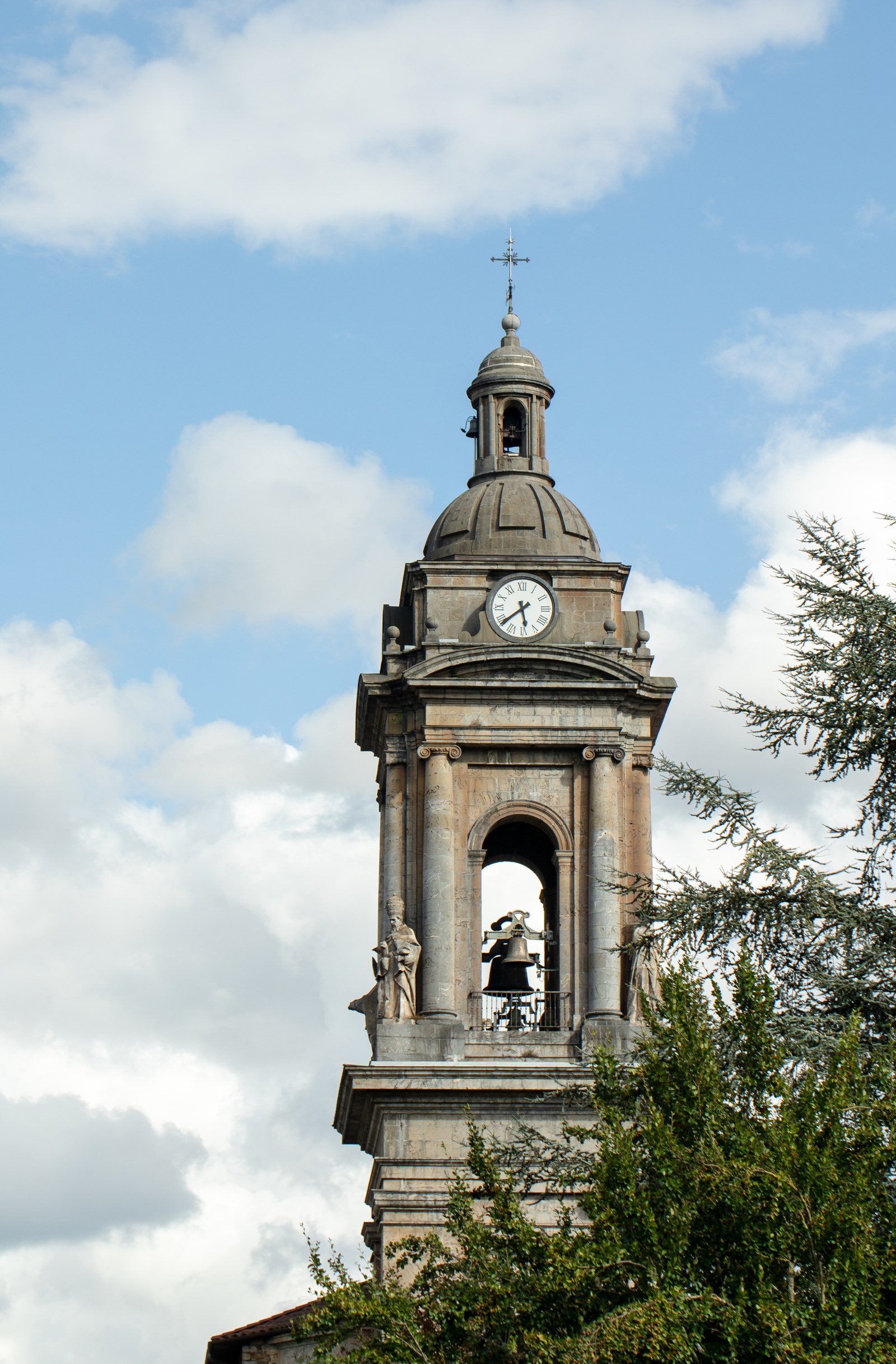
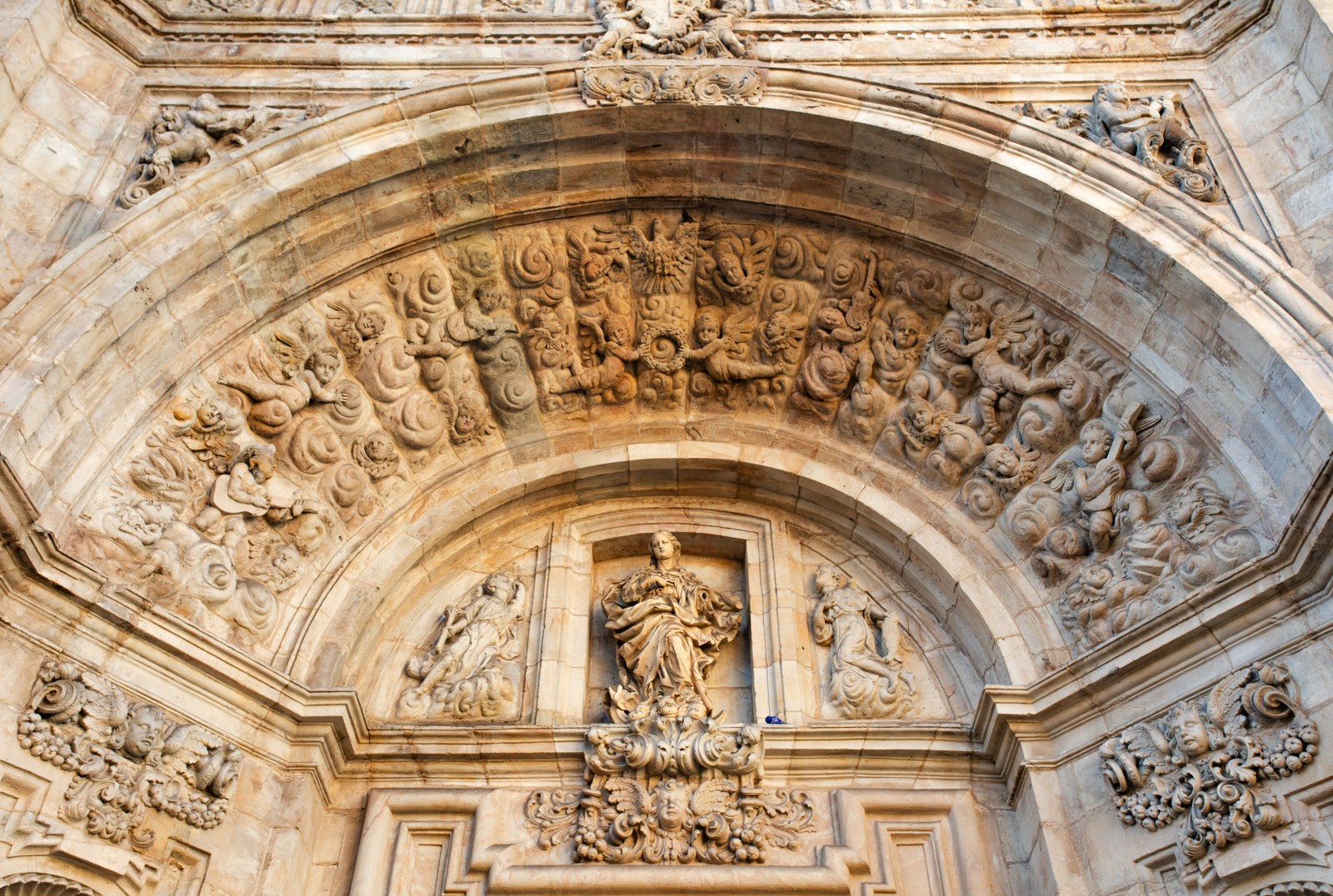
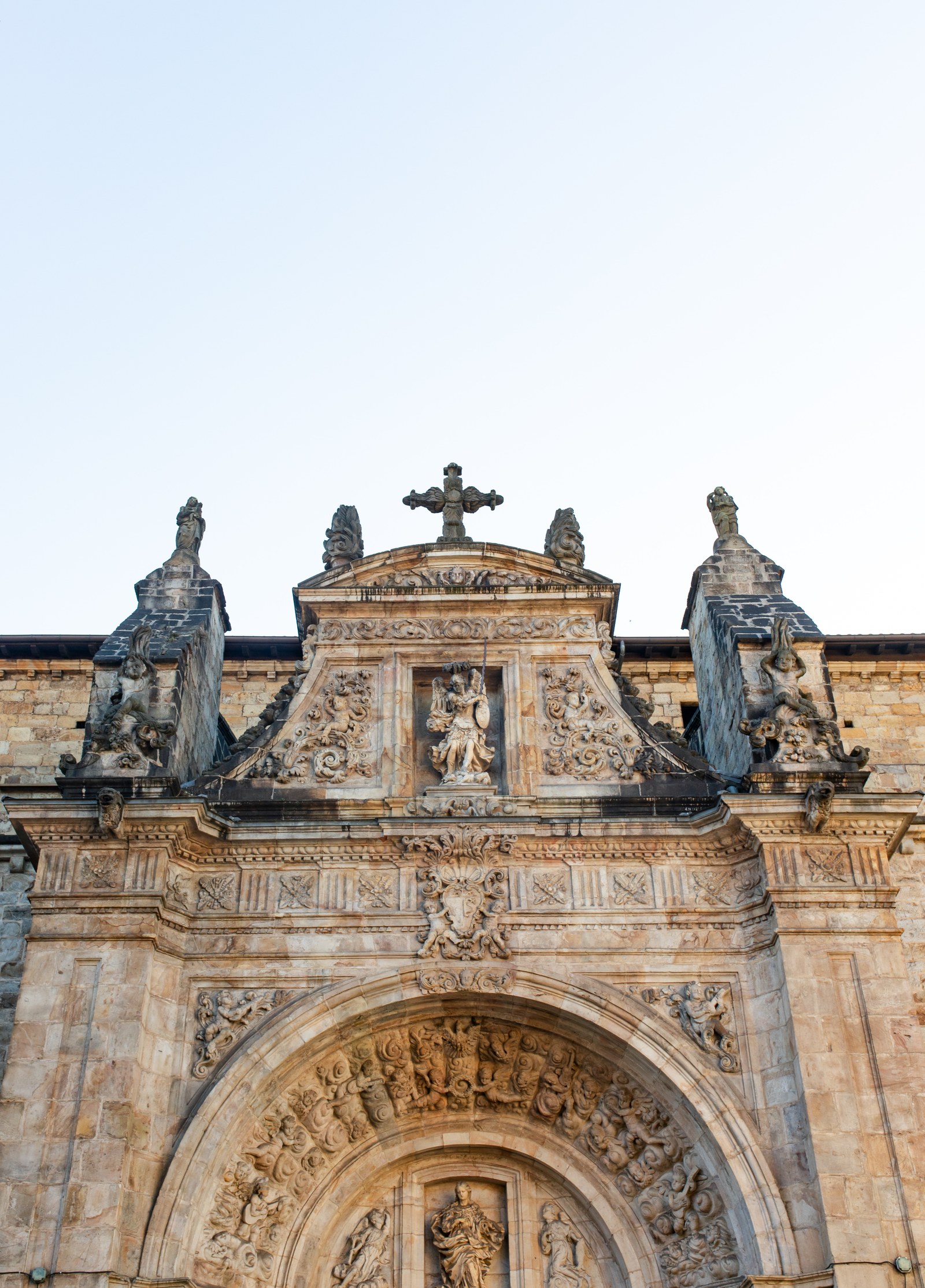
The tower is neoclassical, built of gray limestone, and designed by Manuel Martín de Carrera. Like the main portico, which dates from the 18th century, it is Baroque.
The high altar
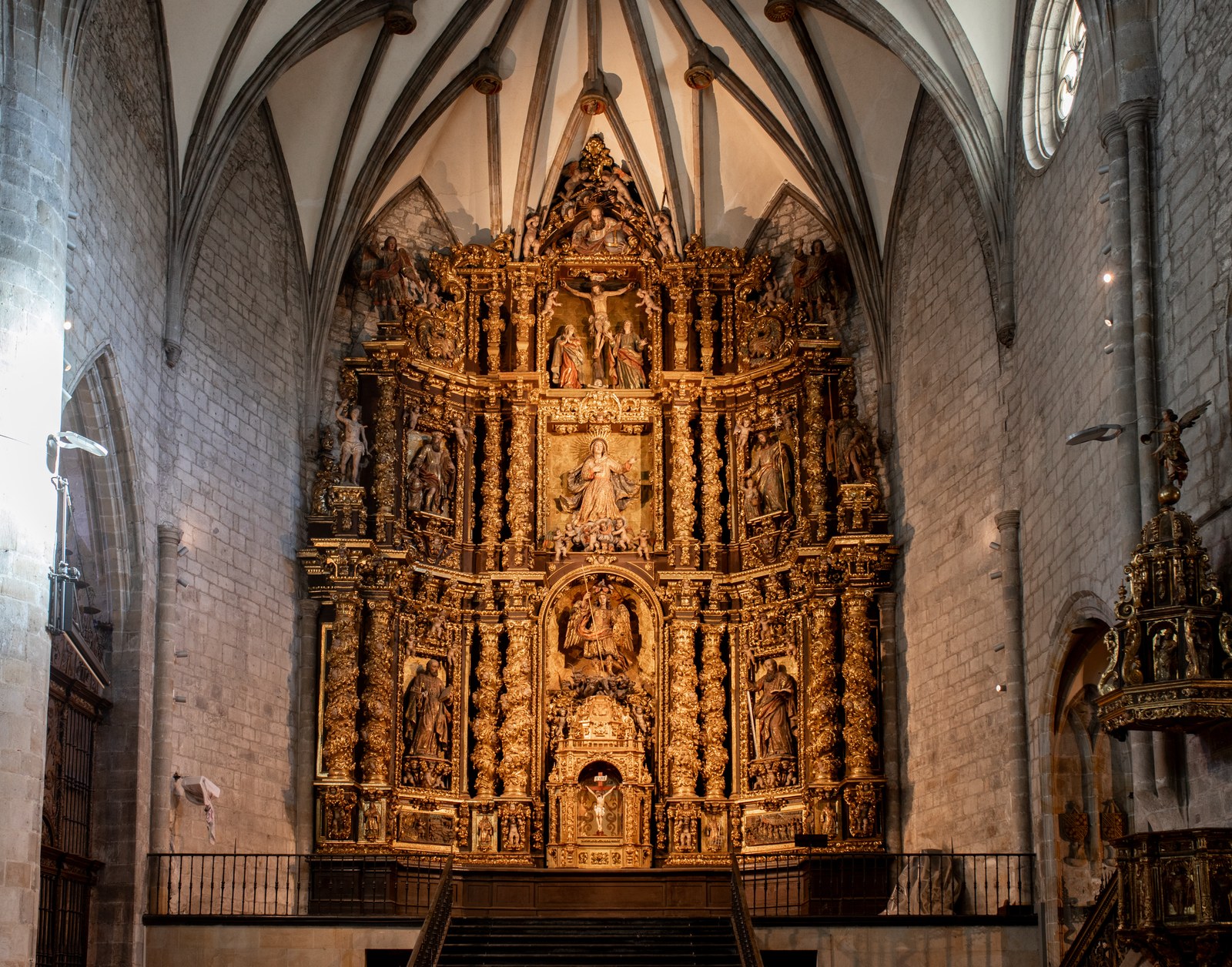
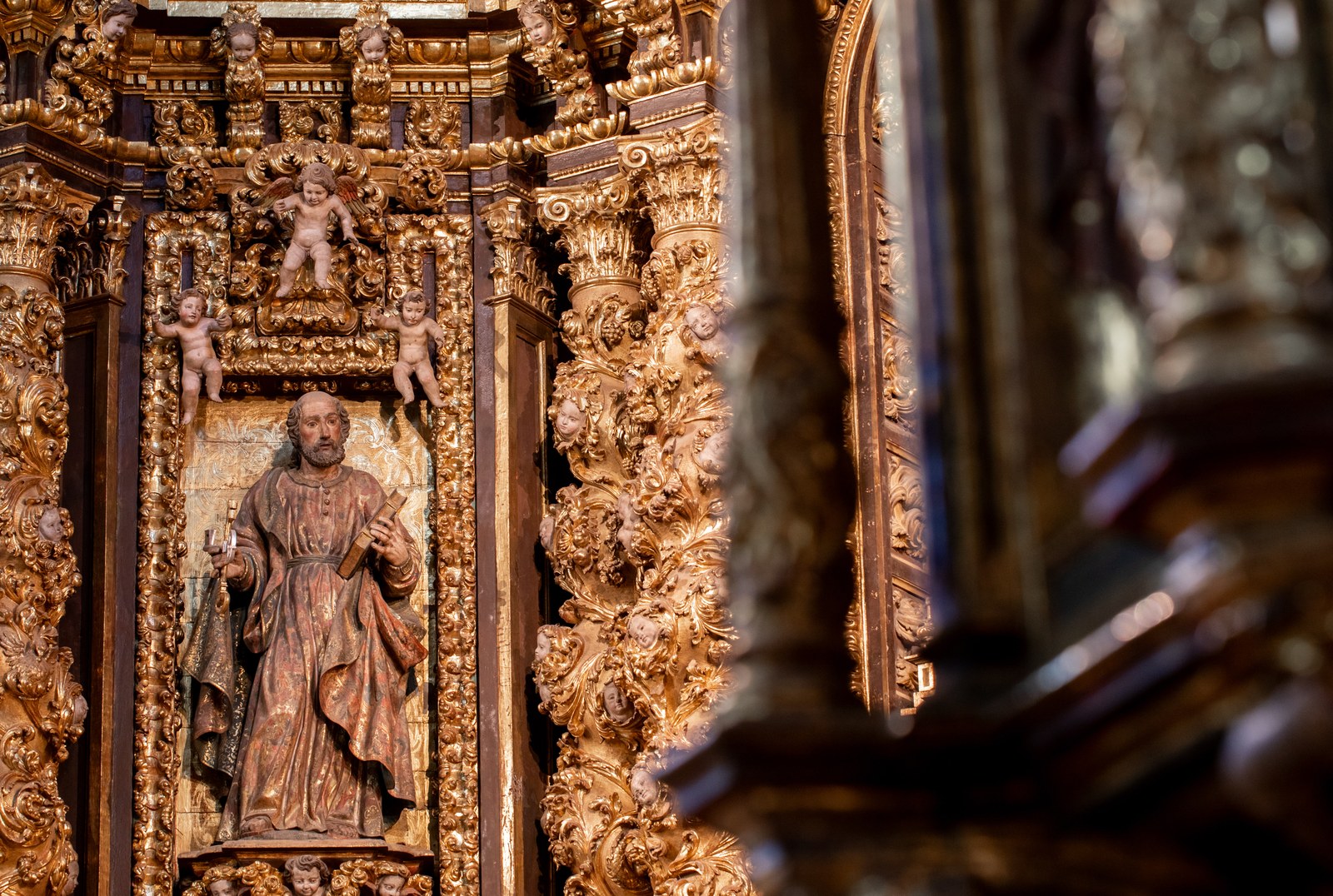
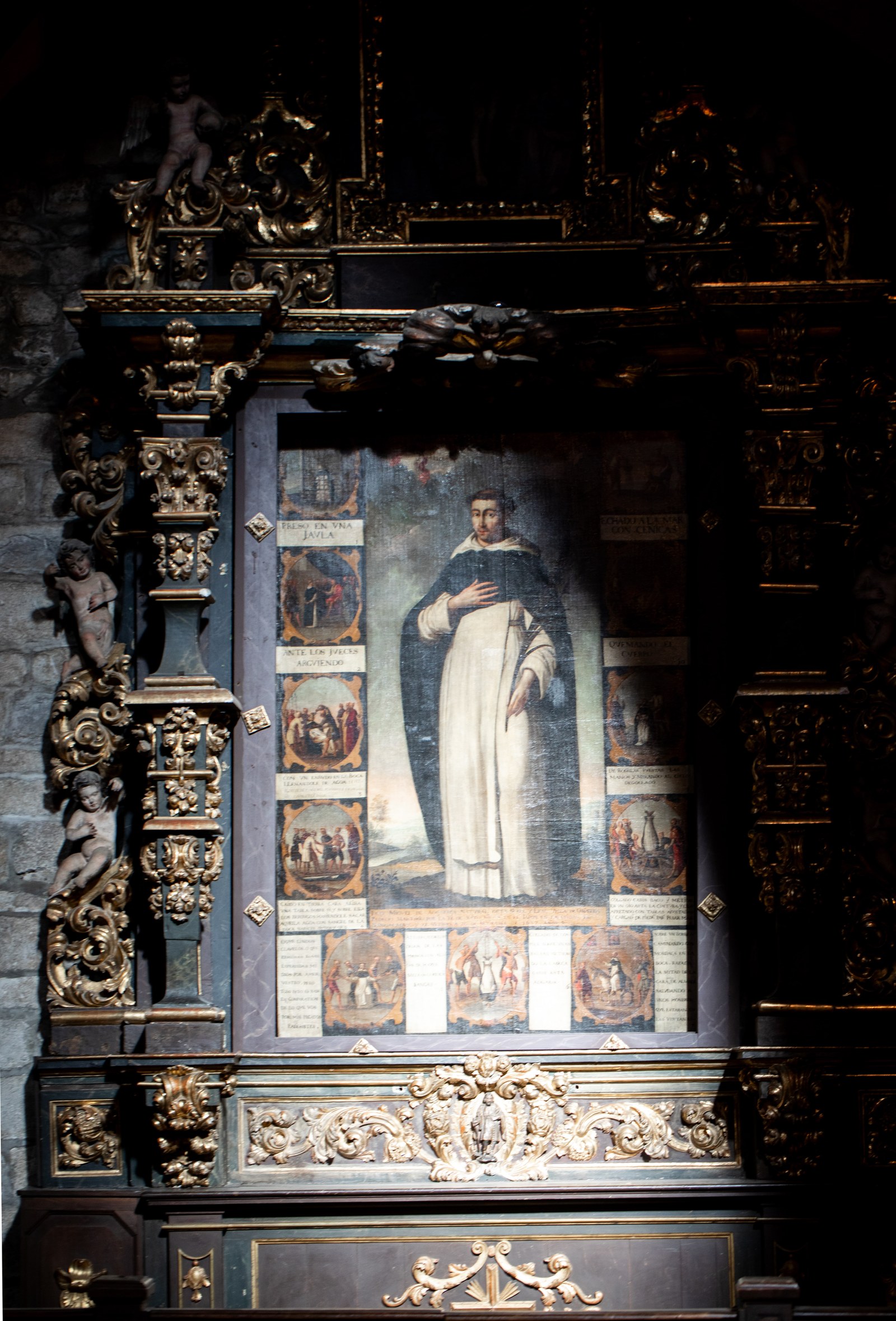
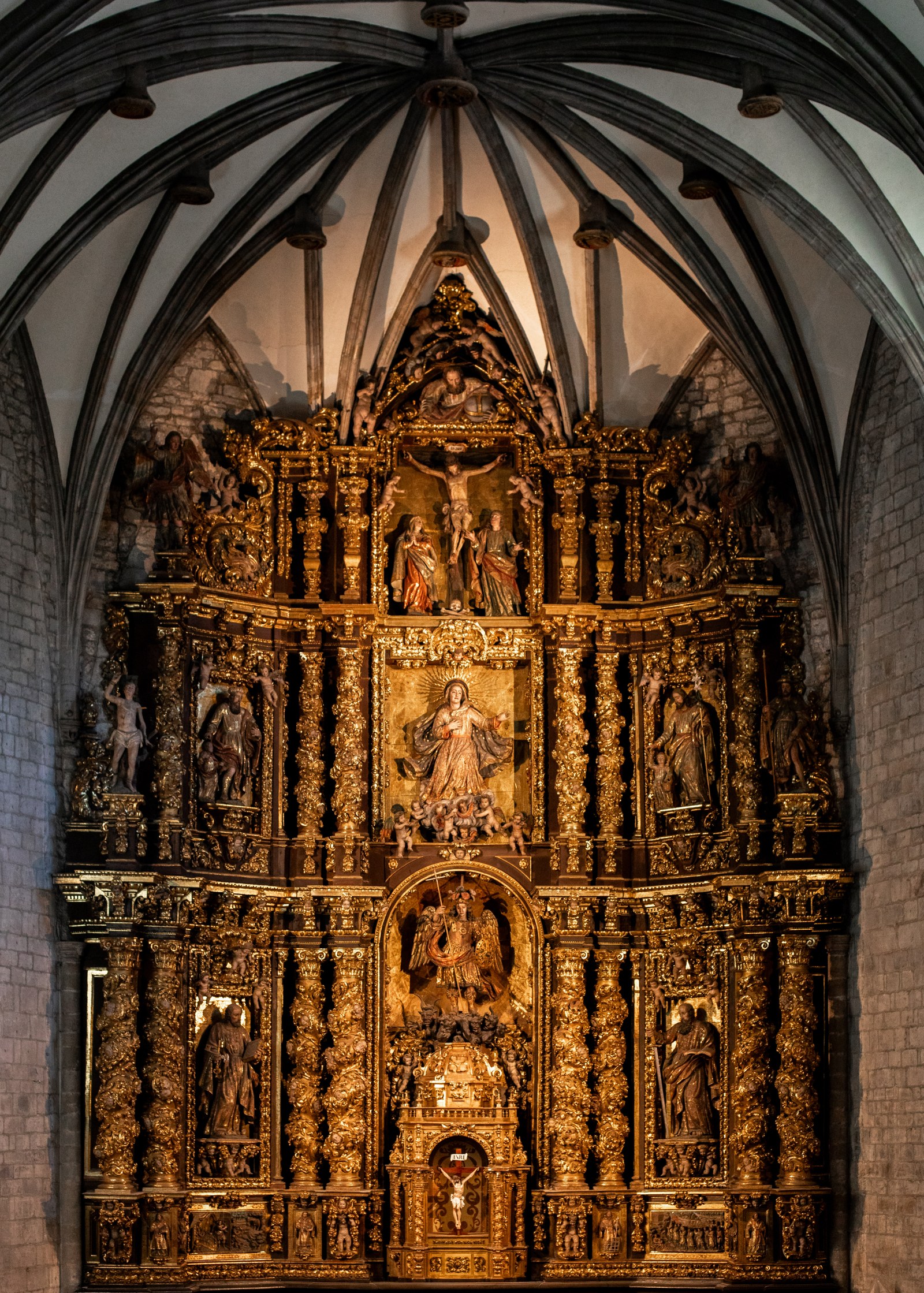
The altar is an element that deserves to be highlighted. Its high altarpiece is of a Churrigueresque Baroque style and is dedicated to the Archangel Michael; it is a work by Juan Bautista de Suso.
The crypt
Under the high altar, the 17th century built crypt is the place where the Counts of Guevara were buried. In the crypt there is a Gothic style tomb made of alabaster, in which lays Lord Pedro Vélez de Guevara.
La Piedad Chapel
On one side of the high altar there is the La Piedad Chapel. It is of a Renaissance style and from the artistic point of view it is considered to be the richest burial site in the Basque Country.
It is worth noting the tomb of Rodrigo Mercado de Zuazola, a work by Pierres Picart; yhe mausoleum made of marble from Filabres and attributed to Diego de Siloé, architect of the Granada Cathedral and sculptor of the Golden Staircase in the Burgos Cathedral; the Plateresque style altarpiece organized in squares (1533-1536) that shows several scenes of the New Testament; and the Plateresque style fence, whose upper part refers to the moment in which Jesus is wrapped in the sheet.
The cloister
The cloister should also be noted, which is extraordinary for being built on a river (Ubao). It has a flamboyant Gothic style and was supported economically by Rodrigo Mercado de Zuazola, in exchange for building his own funeral chapel.
The Plateresque altarpiece and other altarpieces in Oñati
The latest constructions in the church are the main entrance of a Baroque style, and the neoclassical tower, both built in the 18th century.
The Plateresque altarpiece and other altarpieces in Oñati
The patrimonial value of the altarpieces in Oñati should be emphasized. We recommend visiting the Plateresque altarpieces (16th century) in the Sancti Spiritus University Chapel, in the La Piedad Chapel in the San Miguel Parish Church (the best work done in this style in the Basque Country), and in Bidaurreta Monastery; as well as the Baroque altarpieces (18th century) in Bidaurreta and the high altar in San Miguel Parish Church; and, finally, the high altar (20th century) in the Sanctuary of Arantzazu.