
Practical information
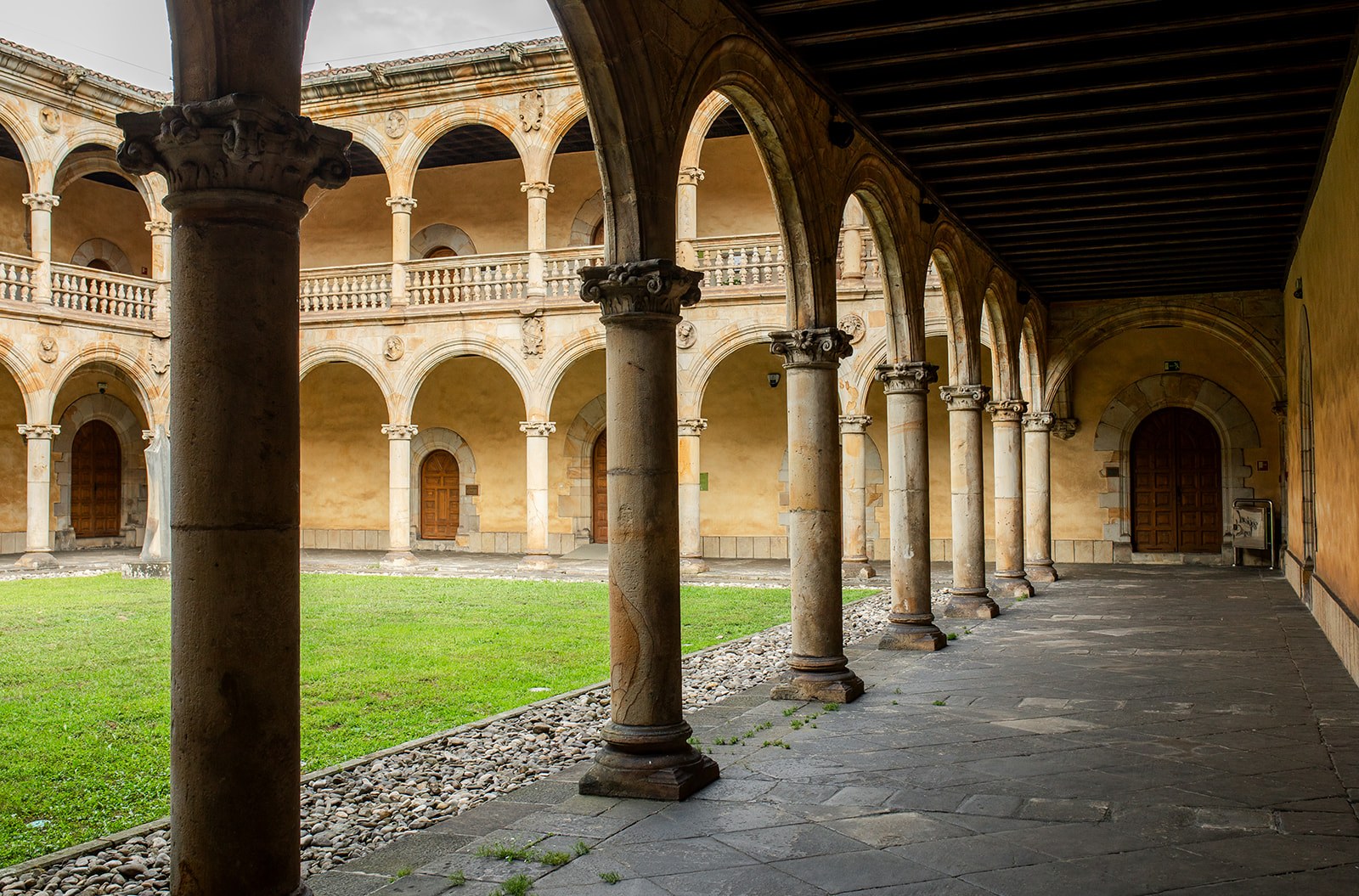
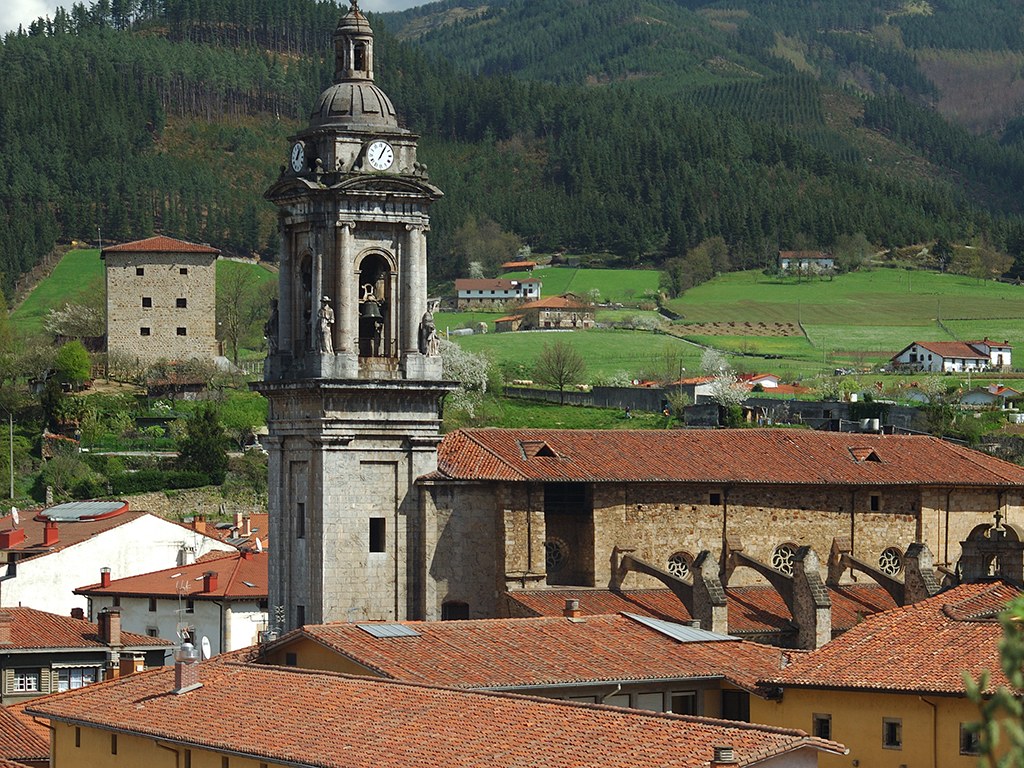
The Oñati Tourist Office organizes guided tours to discover the town center and history of Oñati. Starting at the Sancti Spiritus University and the Church of San Miguel, the tour offers the chance to see the town's most significant streets and palaces. The tour ends at the Bidaurreta Monastery.
Information and guided tours: OÑATI TOURIST OFFICE (Telephone: 943 783 453 E-mail: turismo@onati.eus ).
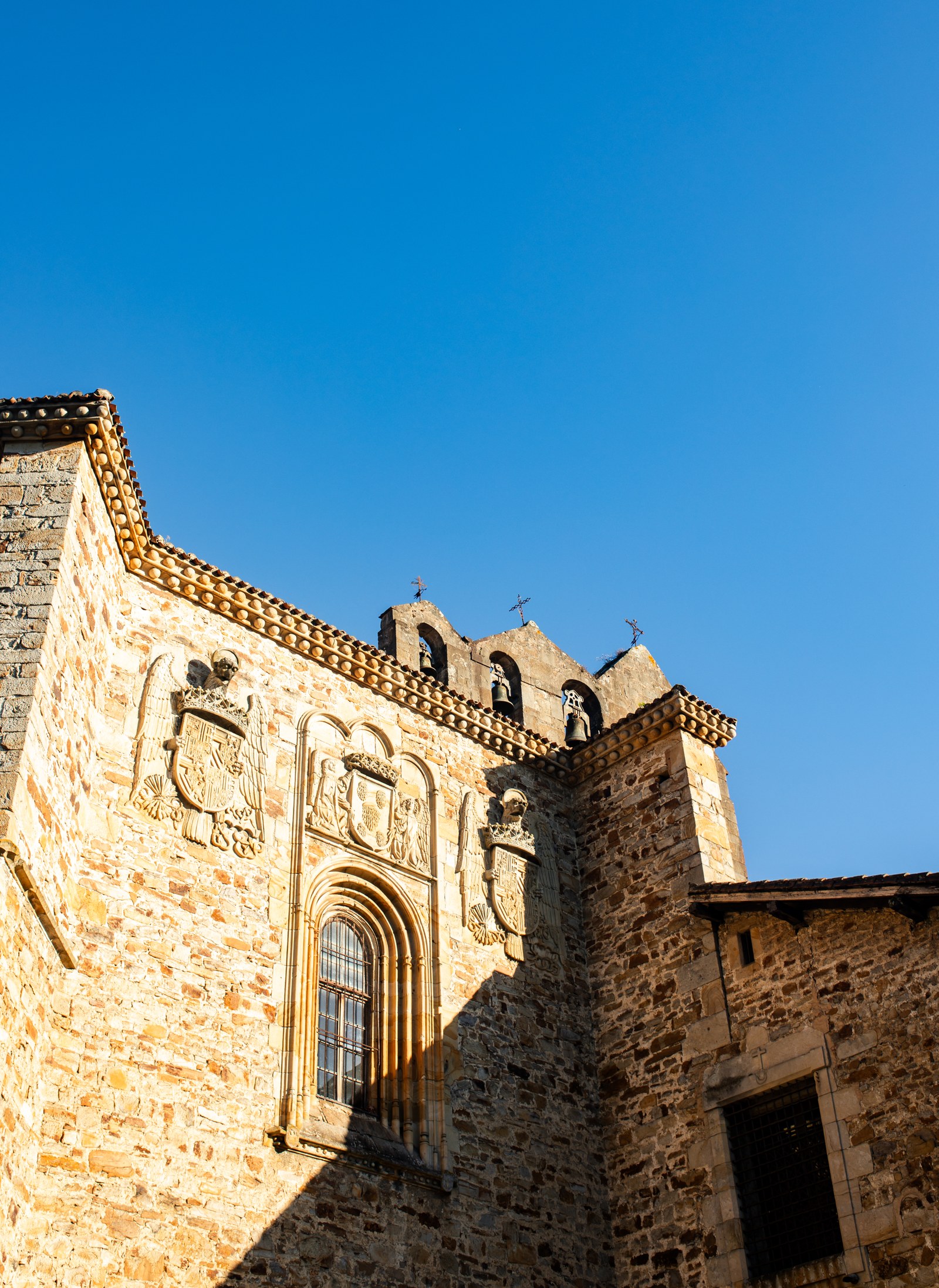
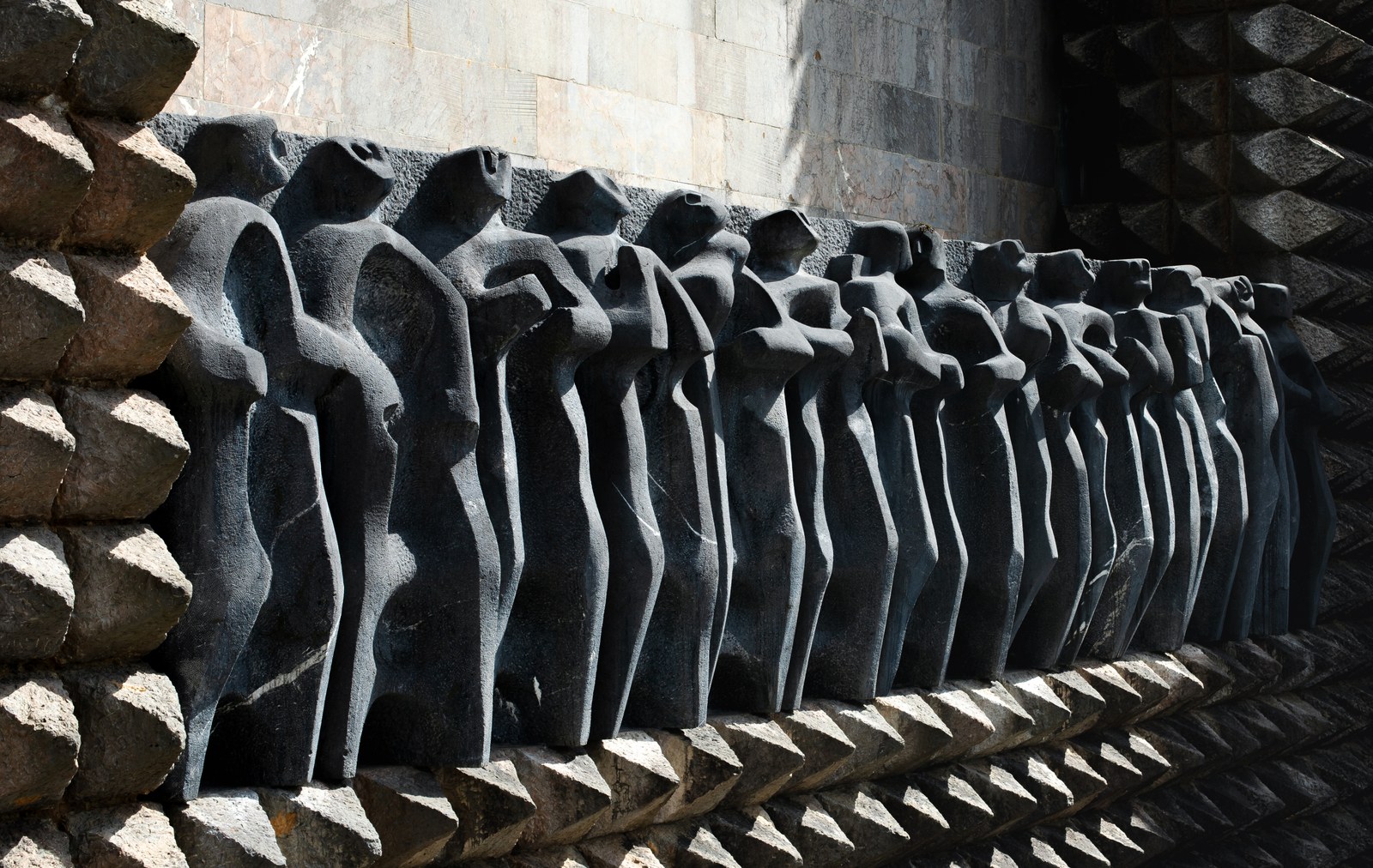
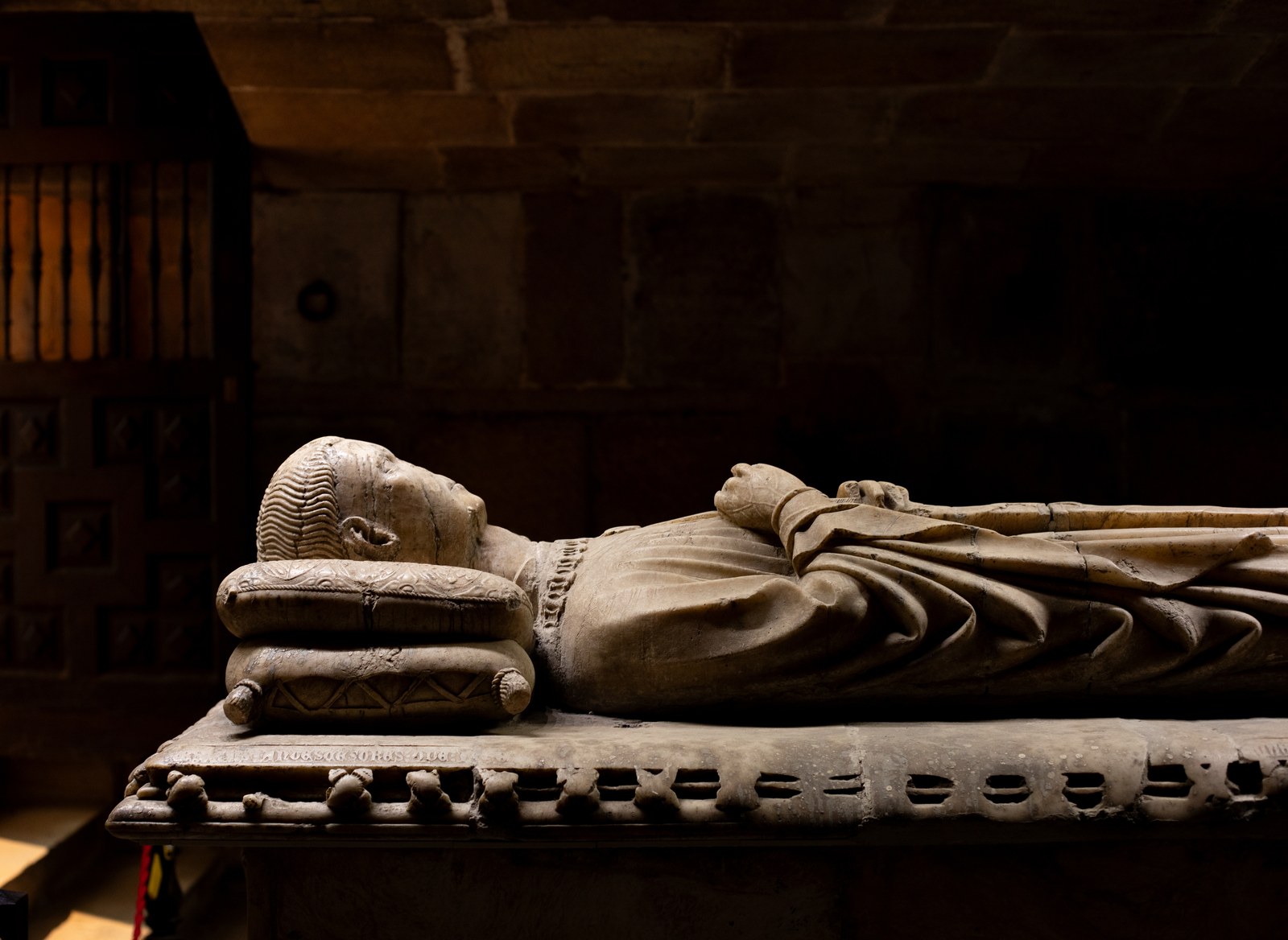
Land of Lords and Counts, special for its history. Visiting Oñati is like reviewing a catalogue of art styles, urban conceptions and historical elements. There is everything you can imagine, from the Gothic style sculptures of chapels and churches and tower-houses to the Avant-garde art in Arantzazu; without forgetting an impressive collection of Renaissance buildings and altarpieces and a significant amount of civil and religious Baroque buildings, as well as the contributions of the 19th century, such as fountains, the urbanism, the Lateran neo-Gothic church…
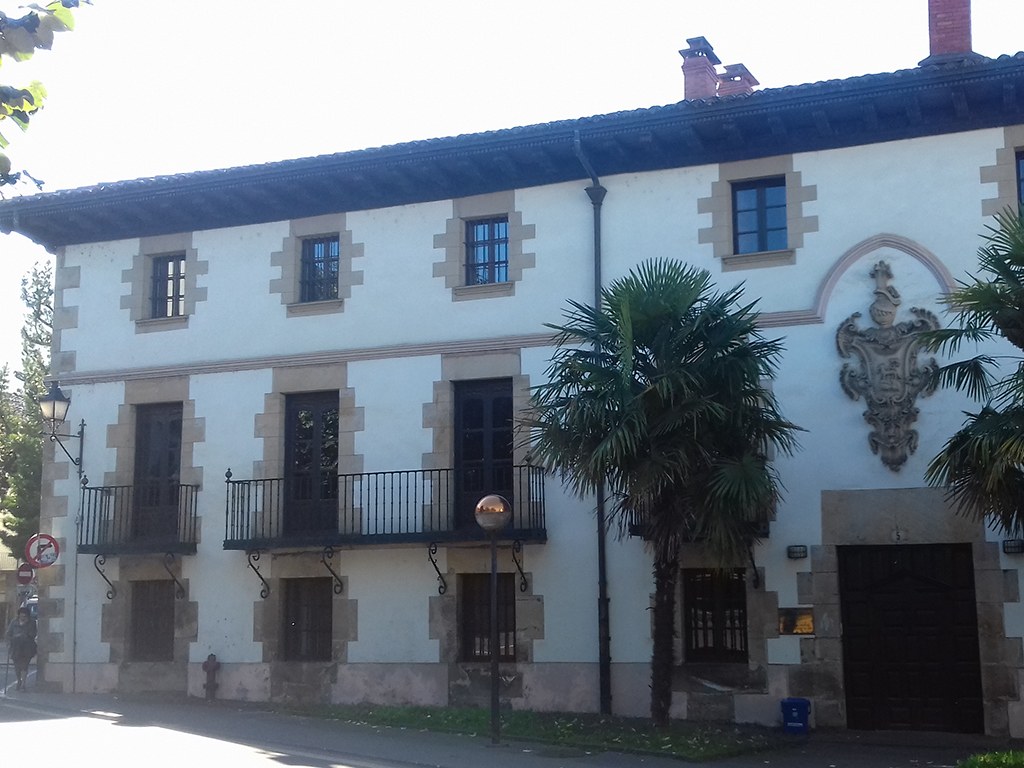
From all those distinguished elements we chose to highlight the following: Zumeltzegi Tower-house, Lazárraga Palace and Santa Marina and Los Fueros squares.
The Old Town of Oñati responds to its historical path and maintains several monuments: palaces, stately homes and big houses that are touched by splendid religious buildings, all in a link that bind together hundreds of years of urban life. It is a particular Monumental Ensemble located in the middle of the valley. The original centre dates from the 13th century and it is situated around Kale Zaharra, San Anton, Santa Marina and Mendiko Kale, that is to say, the surroundings of the hill of Zumeltzegi. Rated as Cultural Asset, in the category of Monumental Ensemble.
The town has the peculiarity of being one of the few Manors that later became Counties (according to documents of the 13th century. The title was held by the Guevara family, later Counts of Oñati), which awarded a series of rights and privileges given by the King of Castile. Through these rights and privileges they controlled the political, judicial, economical and religious powers. After the continuous attempts made by the population to be freed from the feudal power between 1388 and 1540, the annexation to Gipuzkoa took place once and for all in 1845.
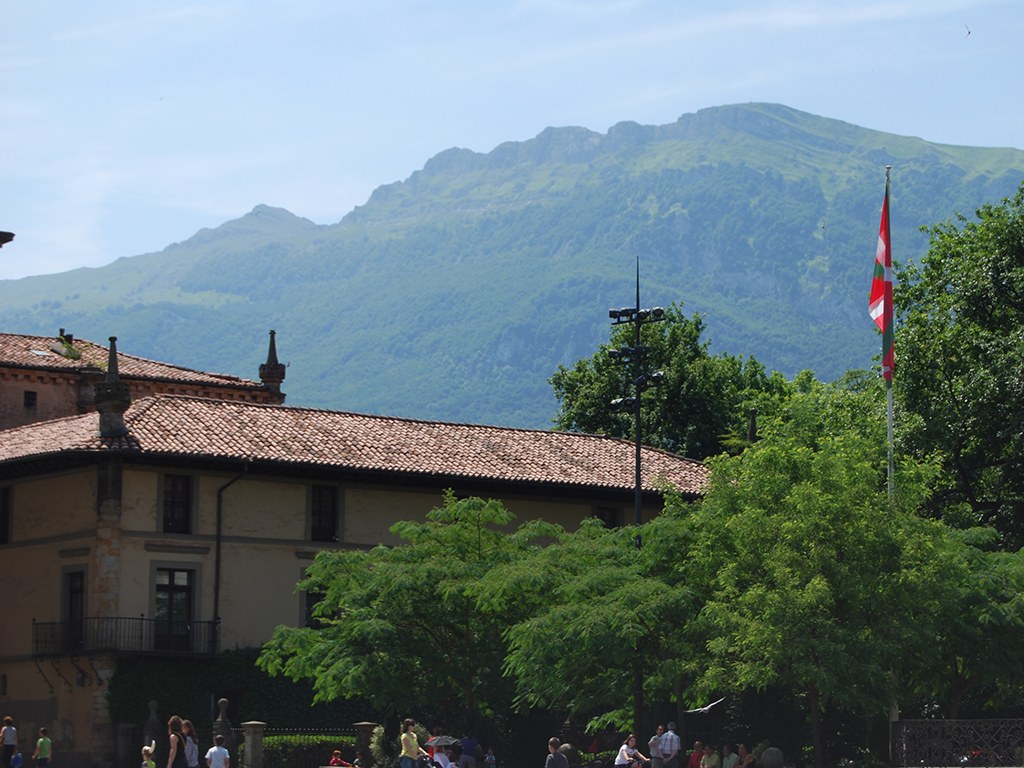
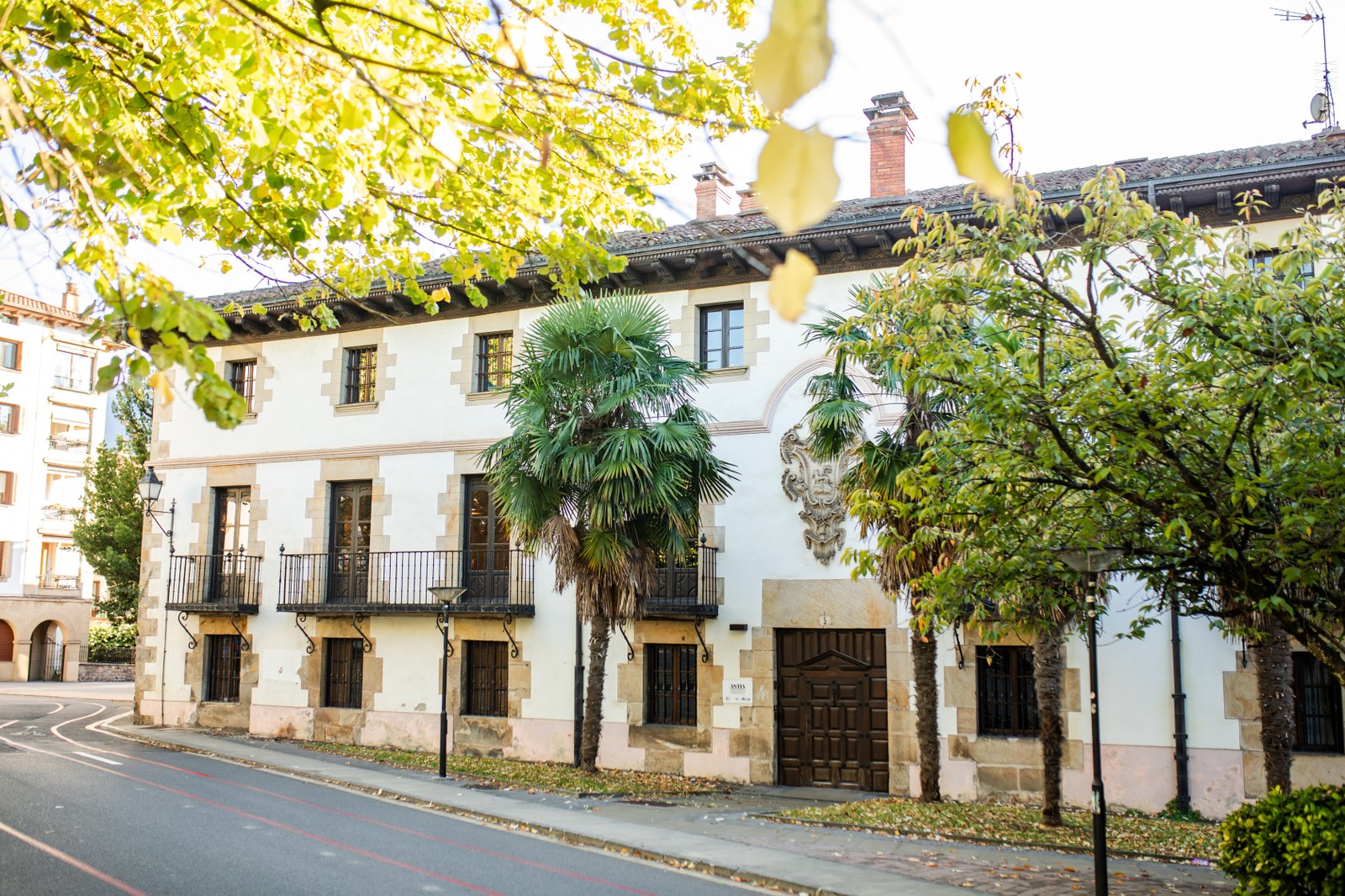
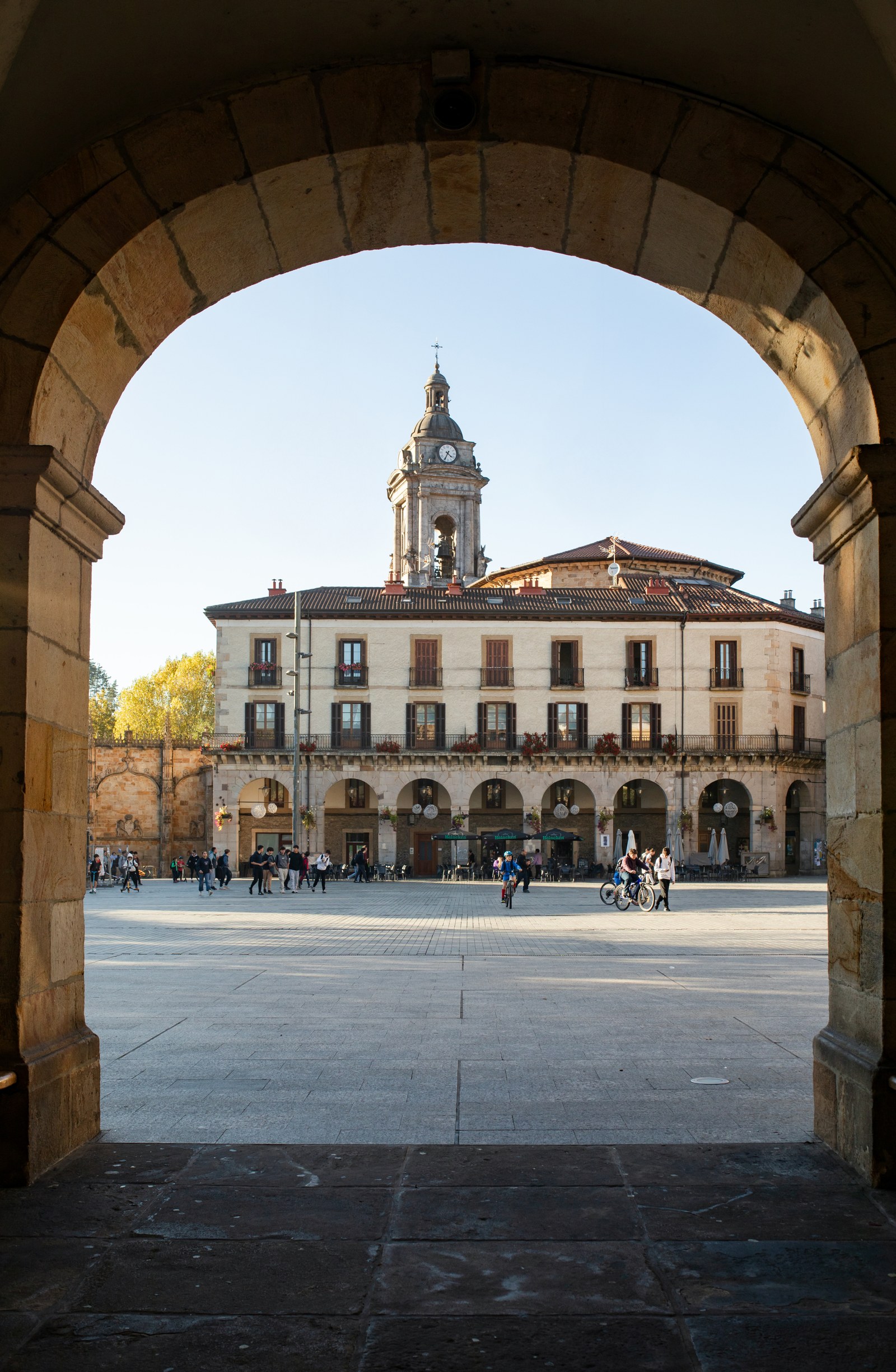
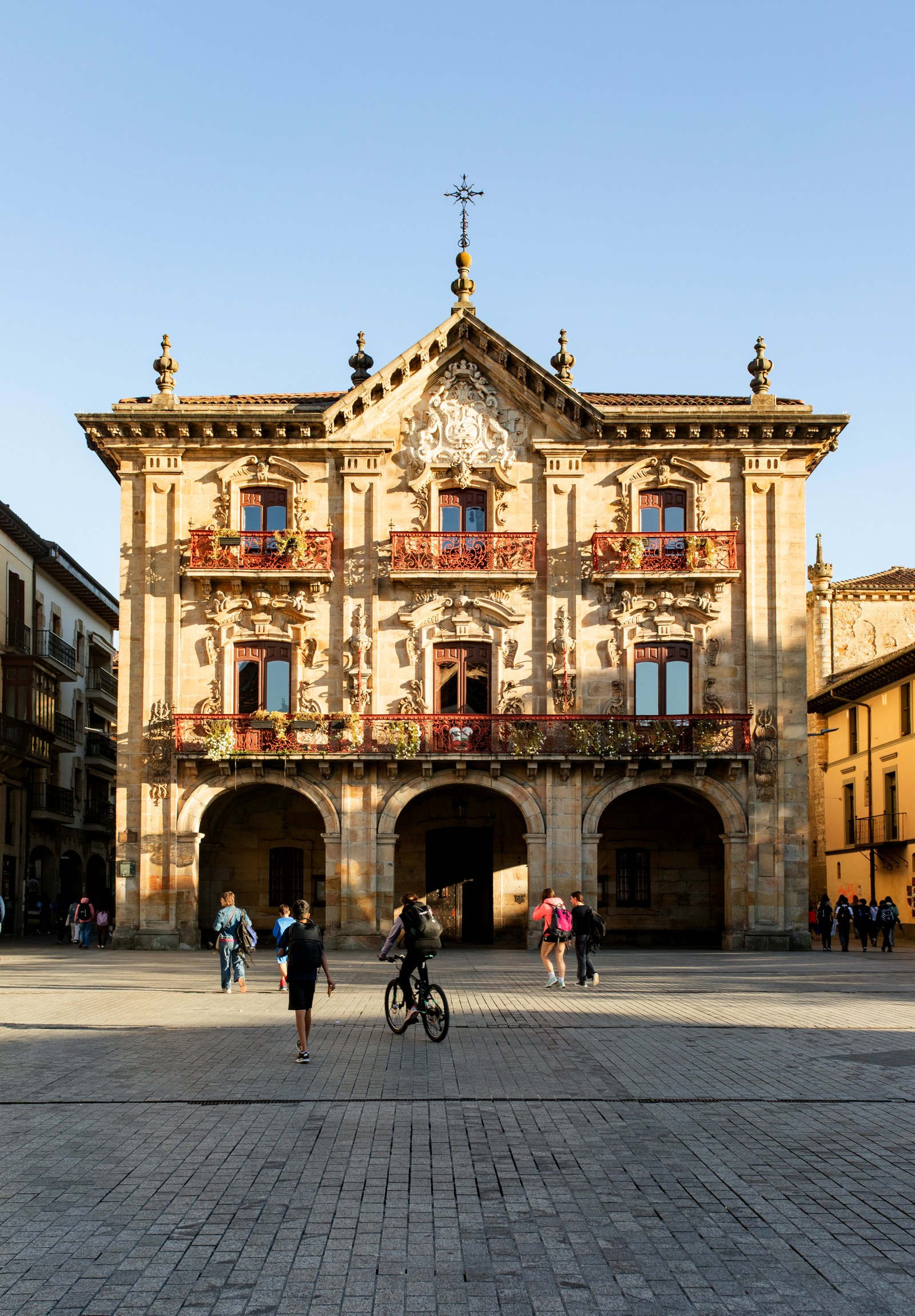
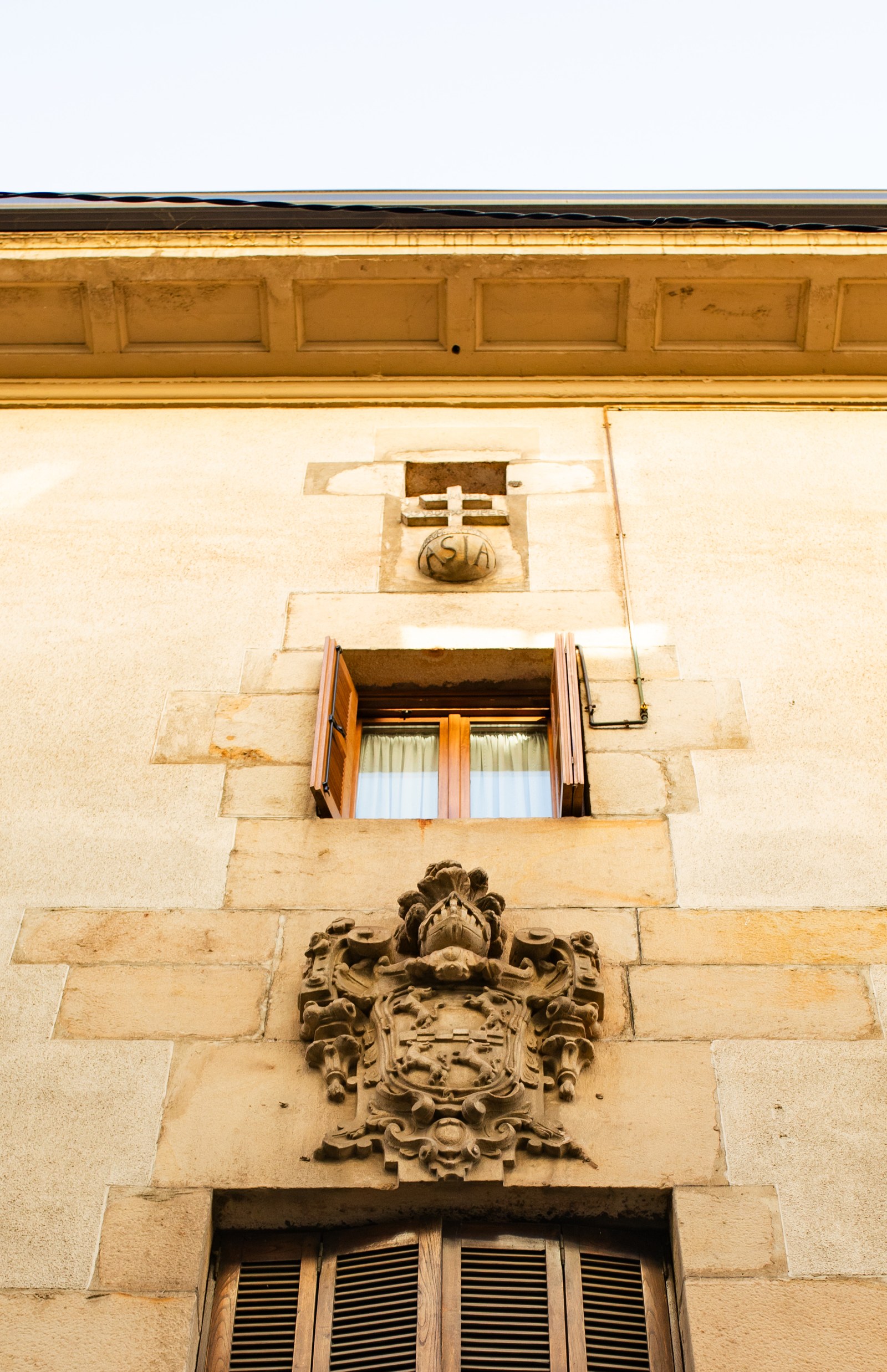
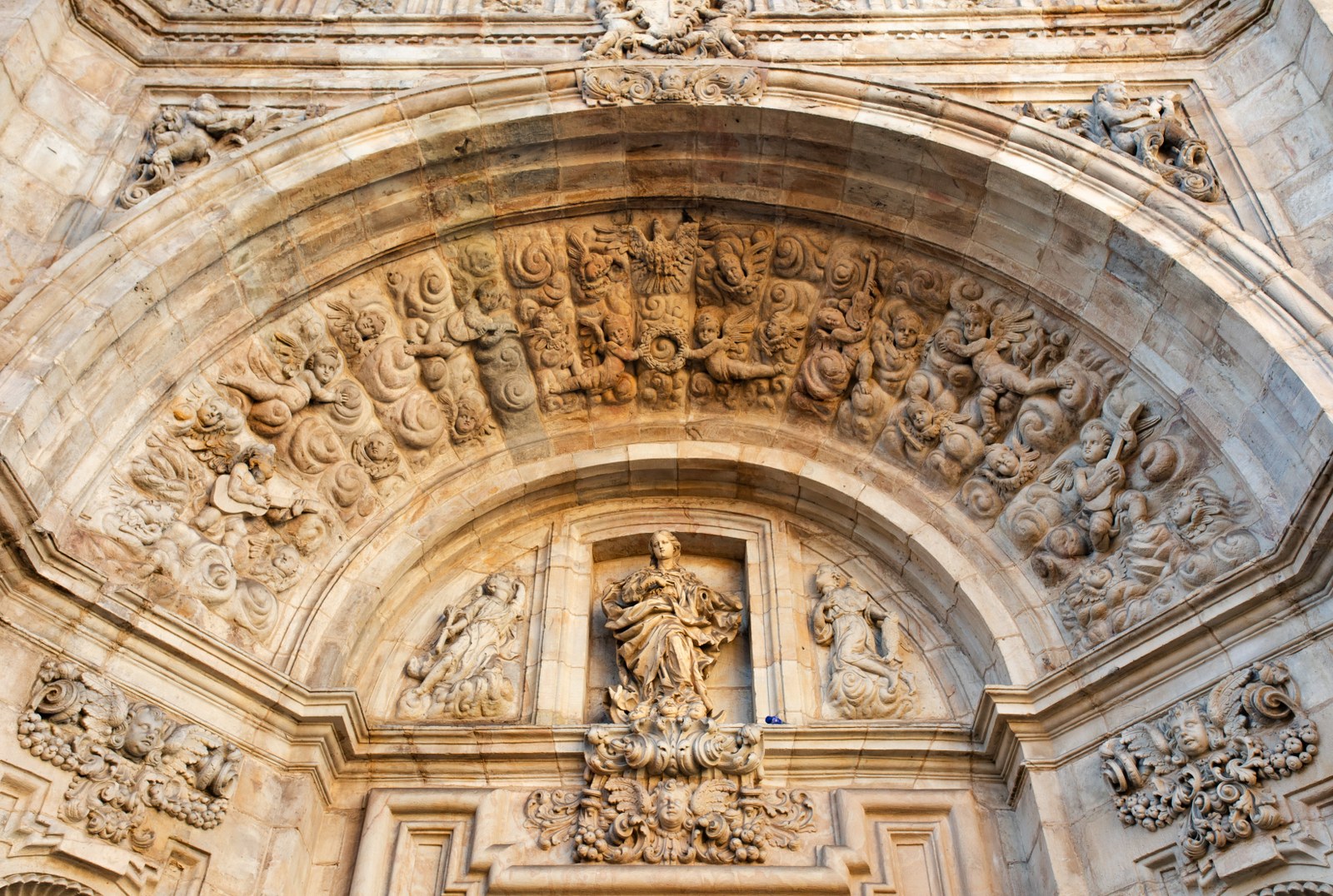
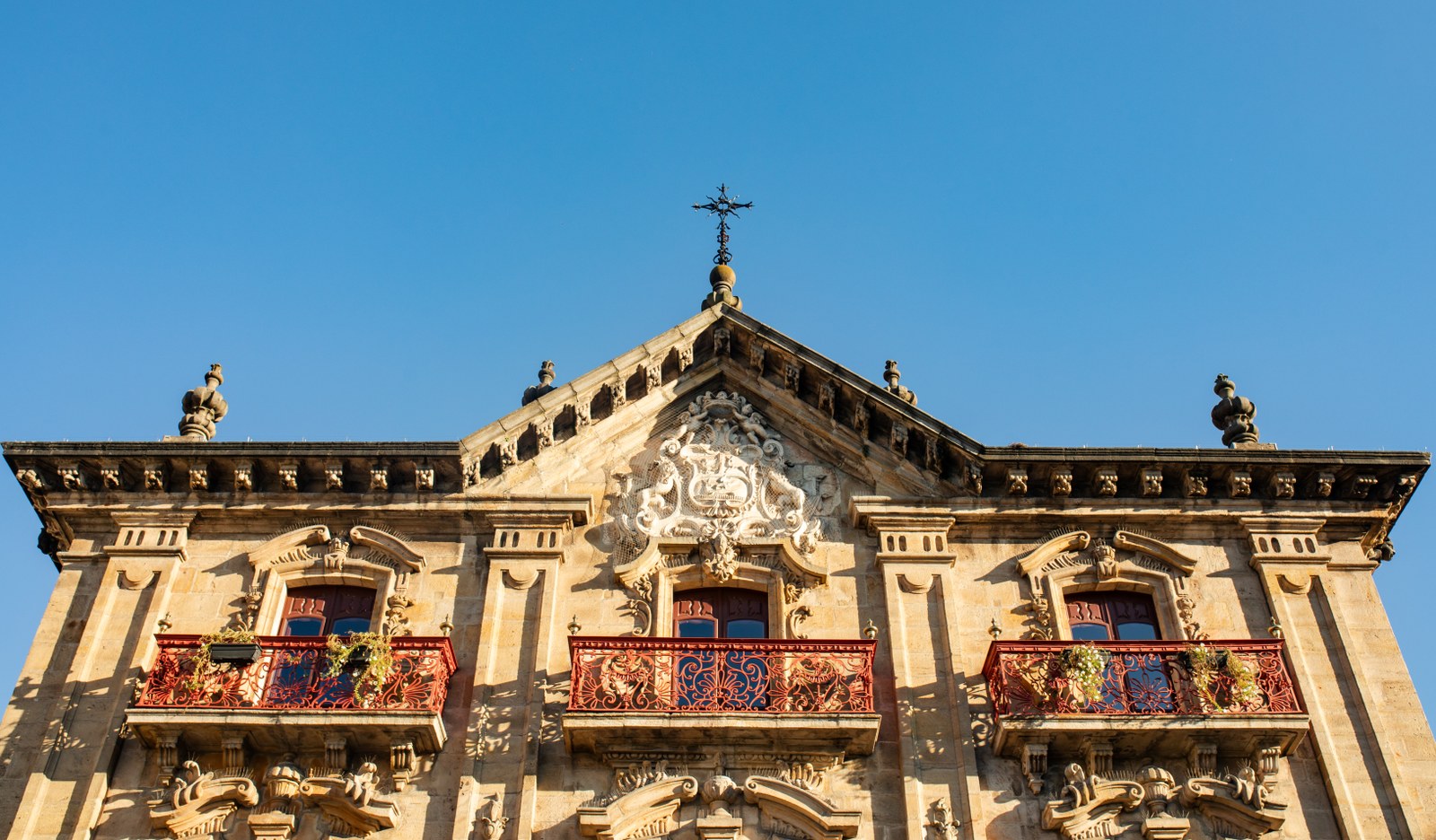
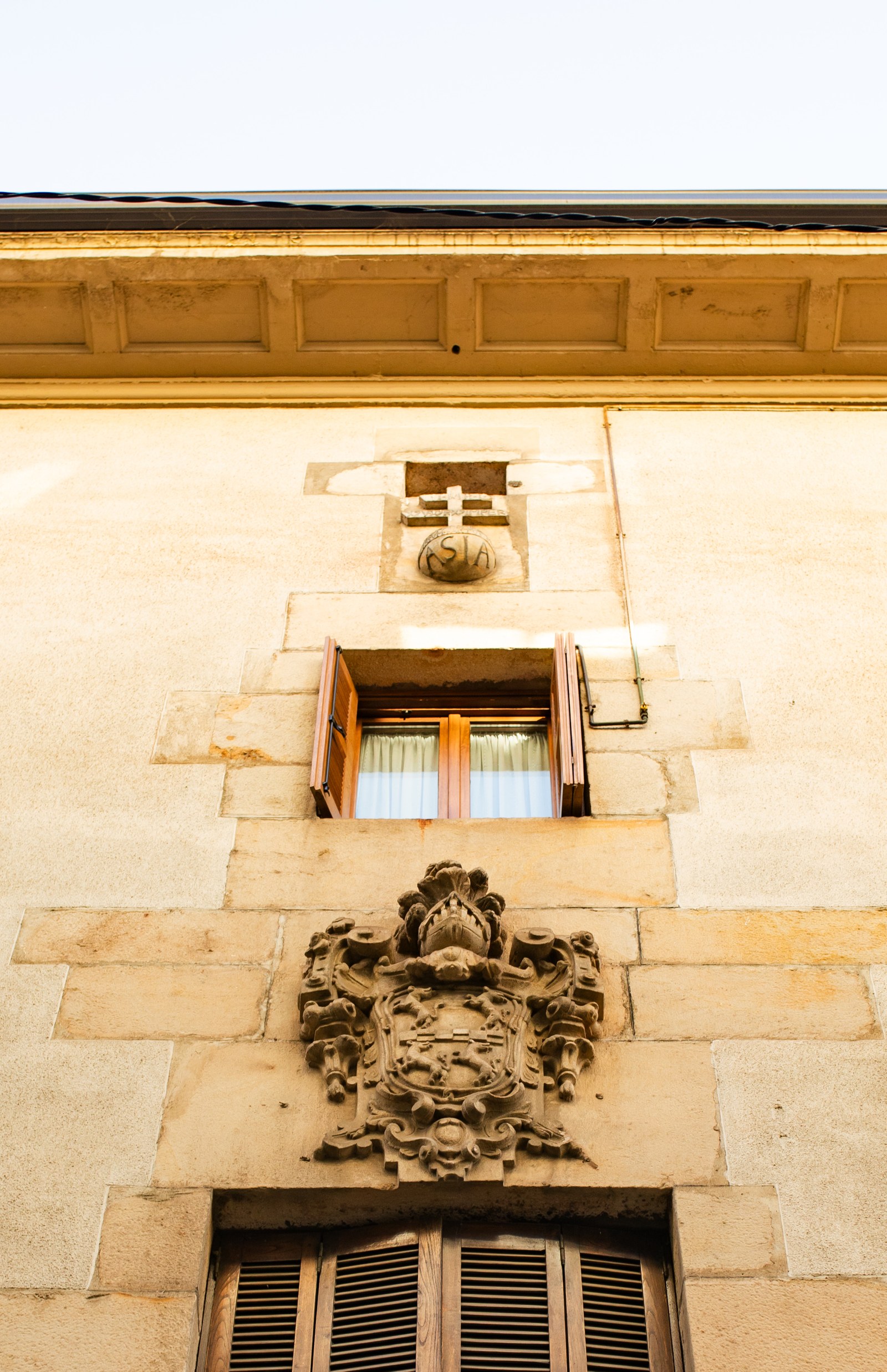
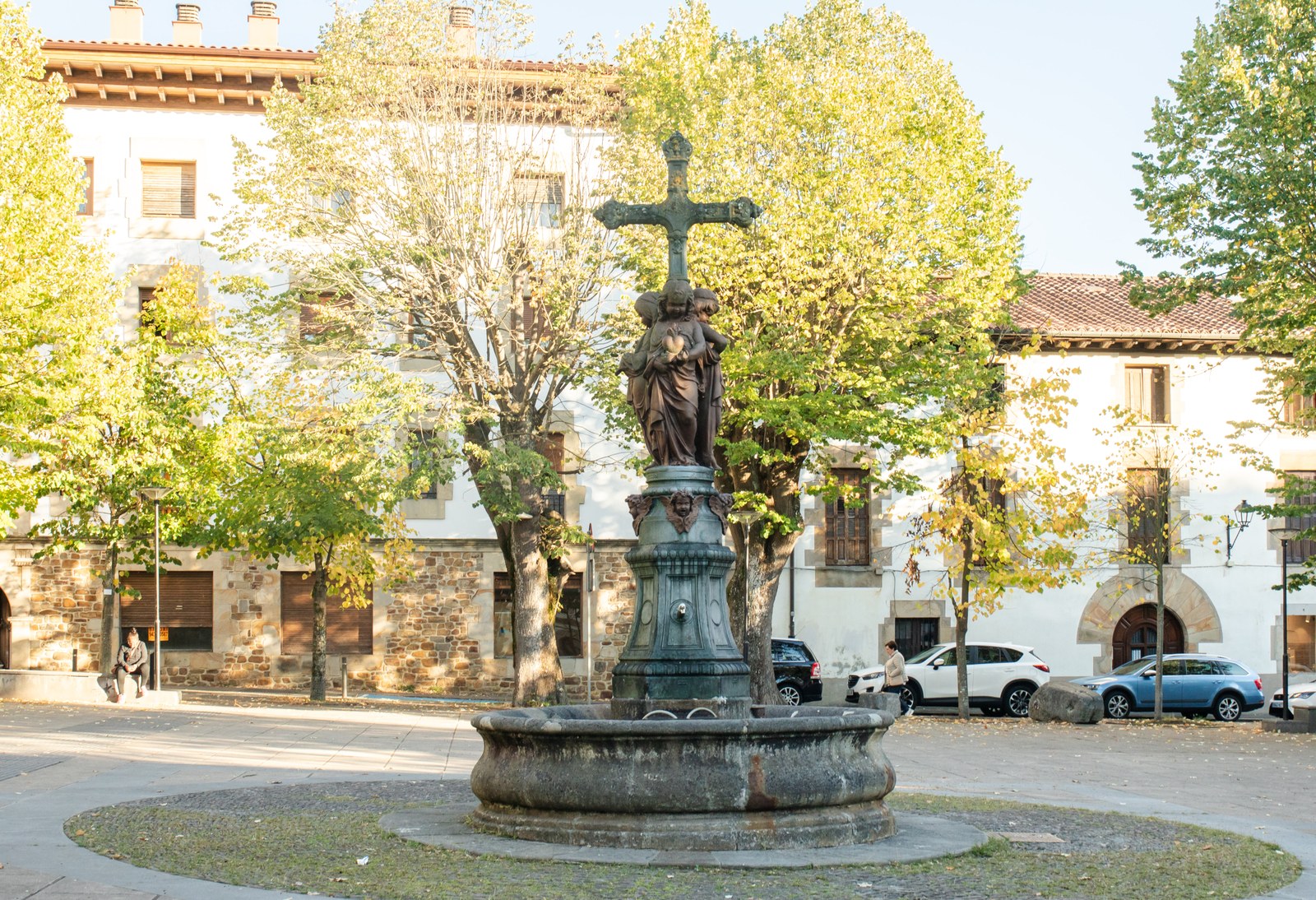
Santa Marina Square
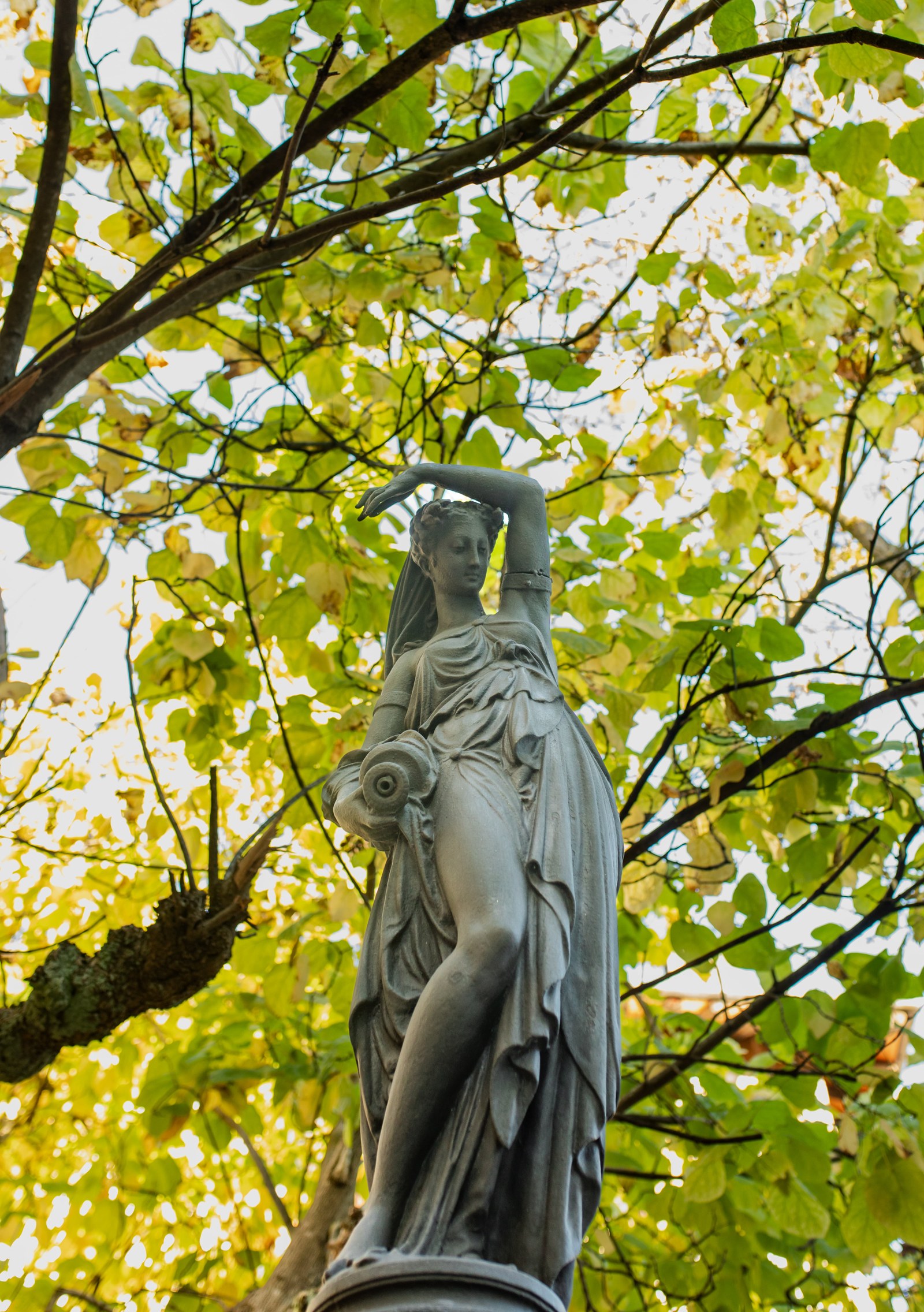
It was the first square in Oñati; it was already there in the 12th century. It was renewed during the 18th and the 19th centuries. The highlights include Madinabeitia Palace (Baroque style), Antia Palace (Baroque style) and Baruena Palace (Neoclassical style), as well as the central fountain with its Theological Virtues and the cross.
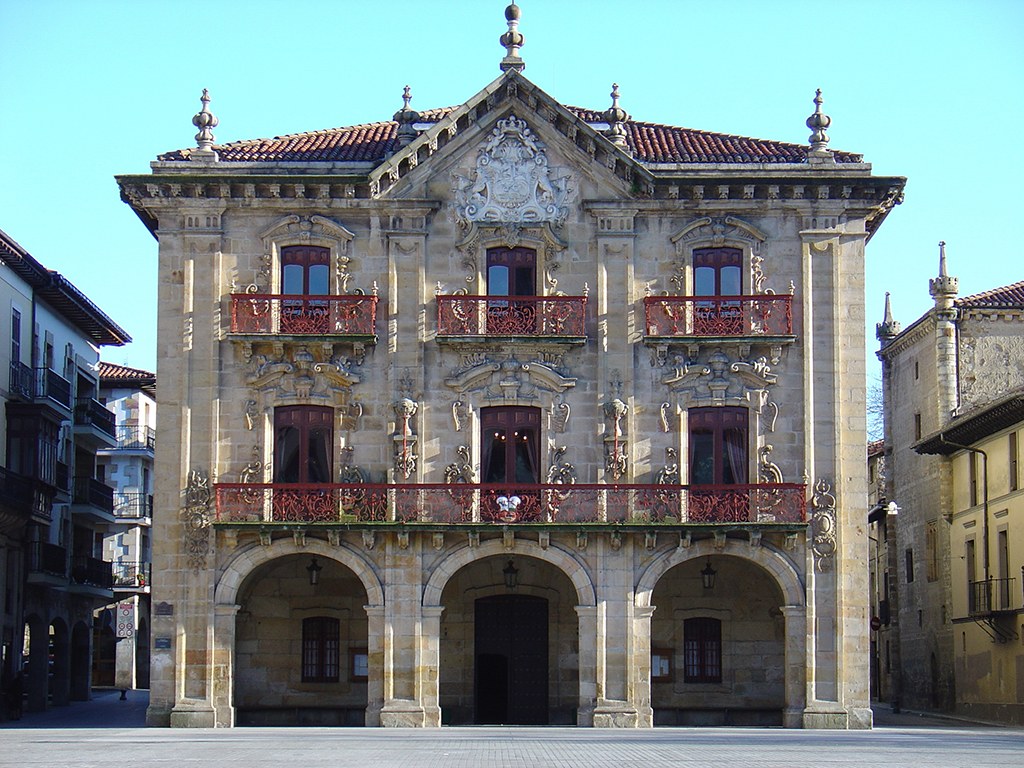
Los Fueros Square, the central nerve of the town
One of the buildings to be mentioned is the Rococo Baroque Town Hall, built in 1778 by the architect Martín de Carrera, in which the town’s coat of arms stands out.
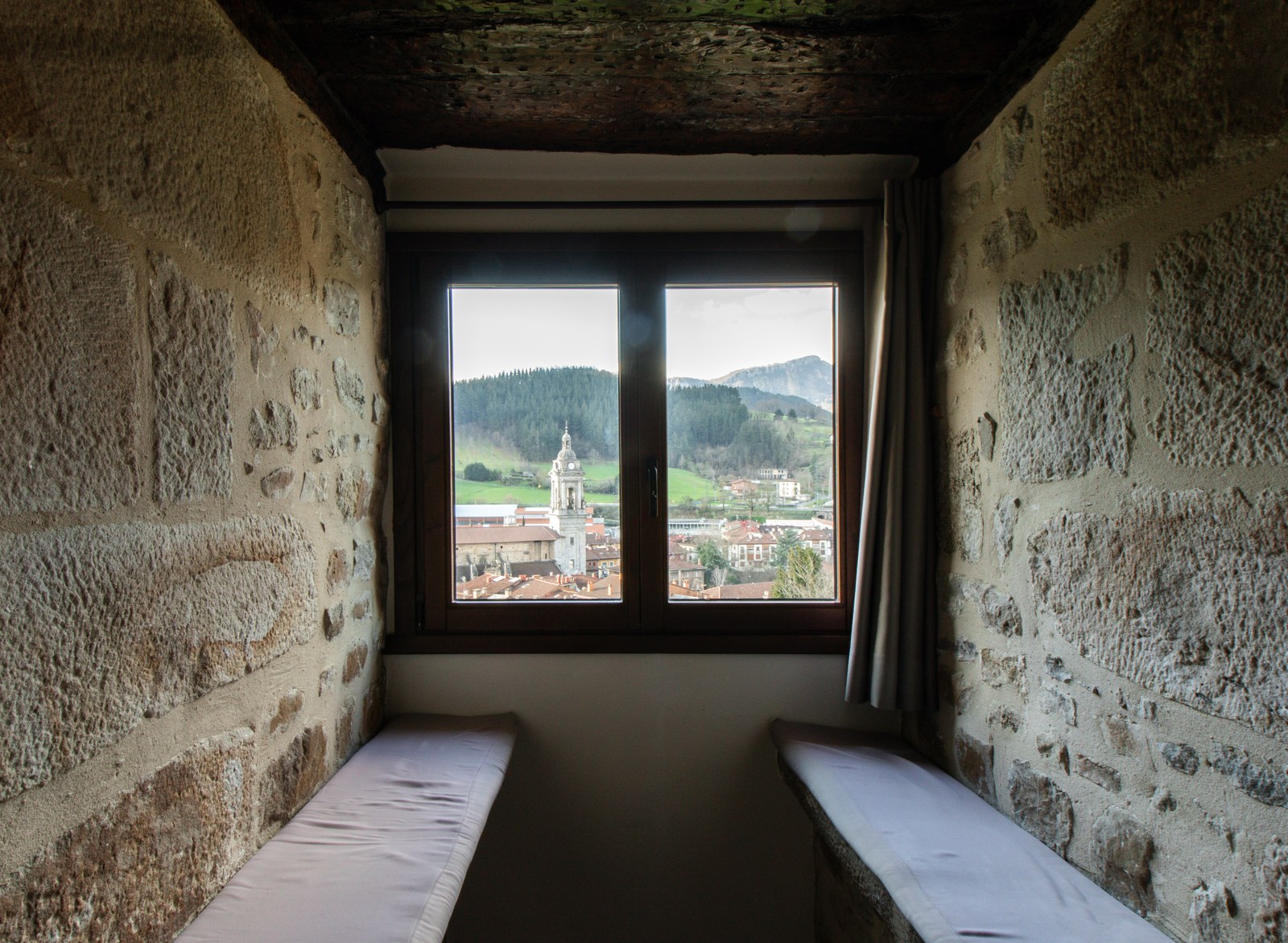
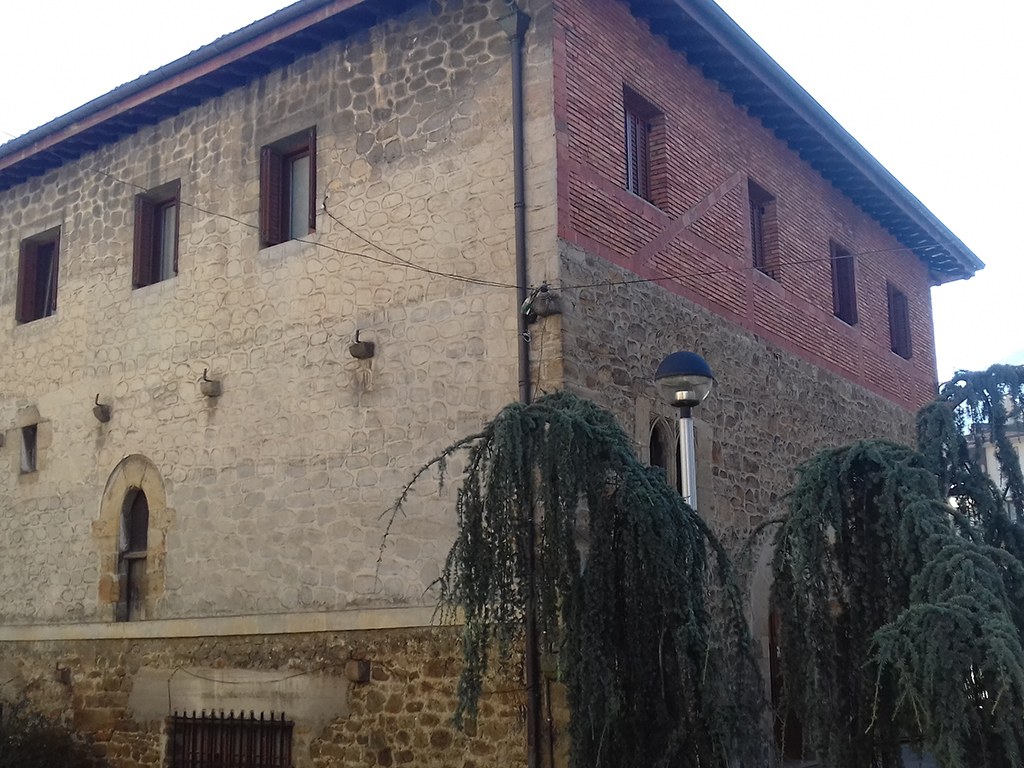
Zumeltzegi Tower-house
This medieval Gothic-style building built between the 13th and the 14th centuries still preserves the family coat of arms. The Counts of Guevara used it to defend and reside in Oñati. Currently, both Zumeltzegi Tower-house and Etxe-Aundi Tower-house offer a restaurant and a hotel.
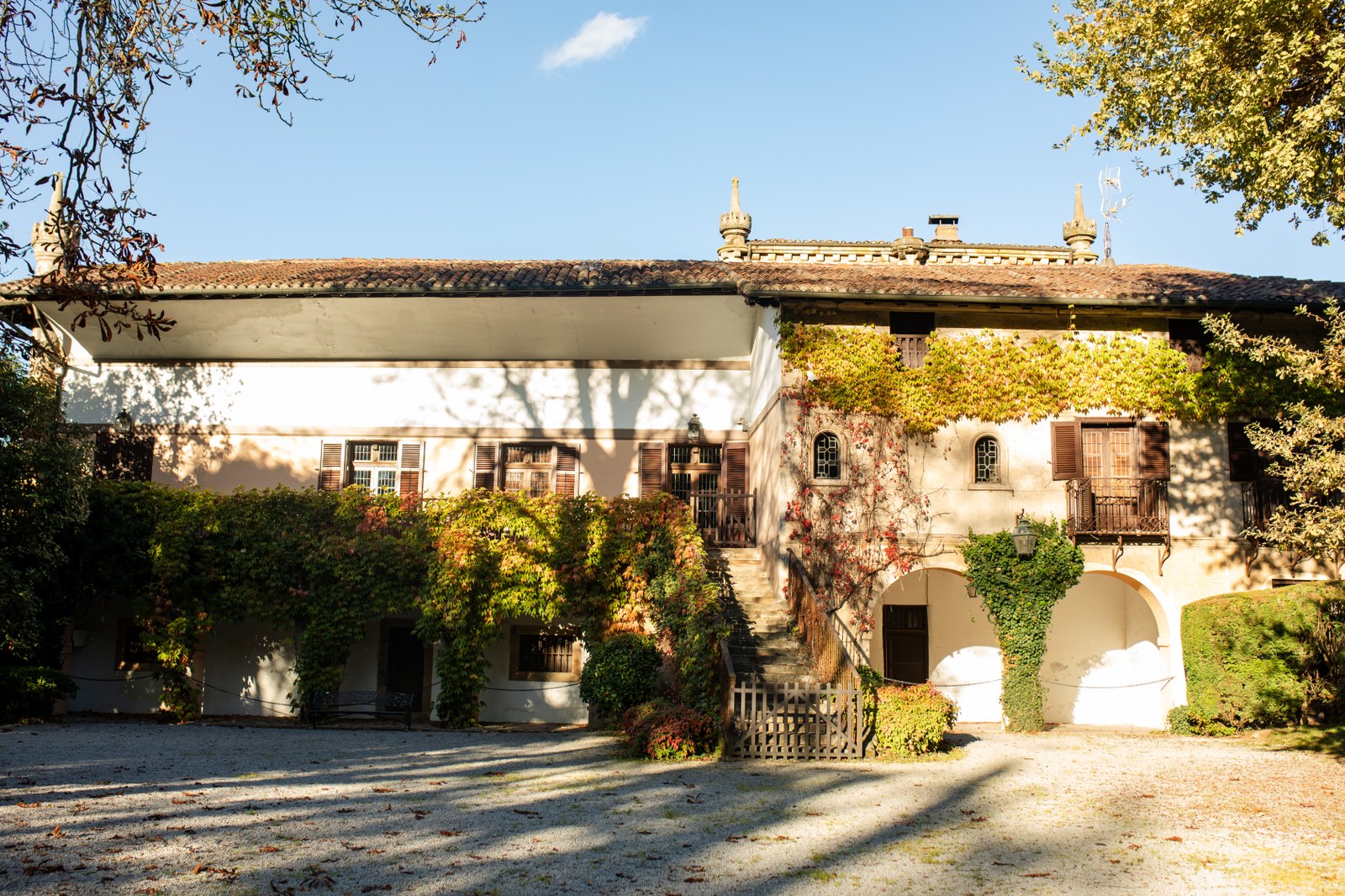
Lazárraga Palace
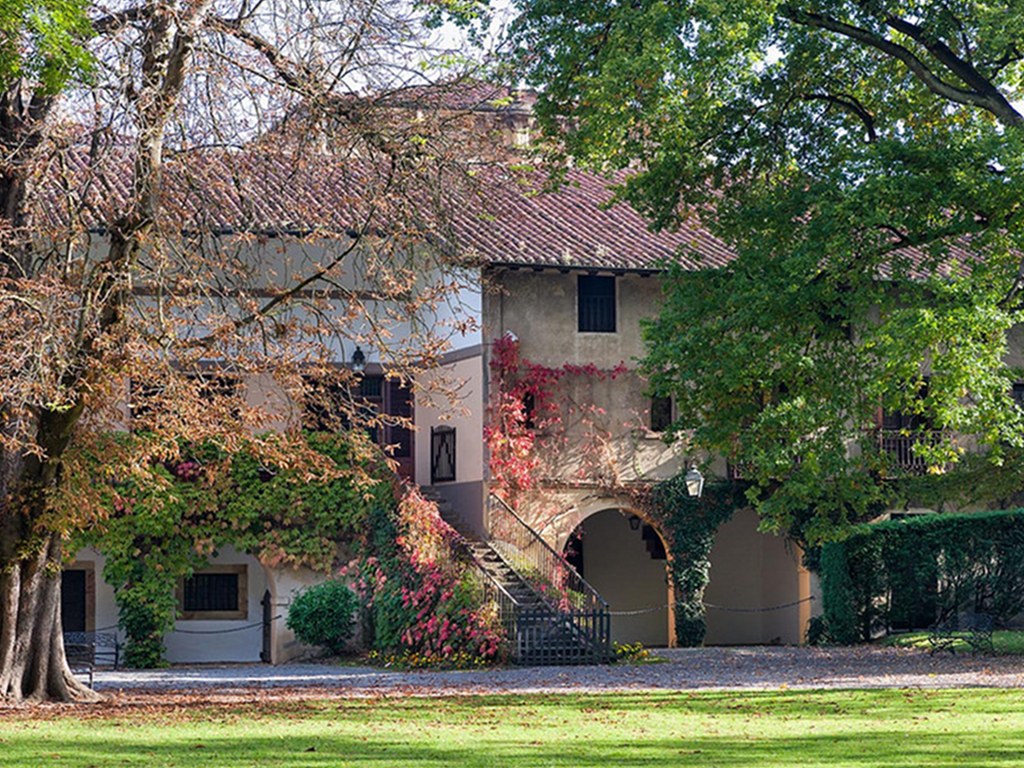
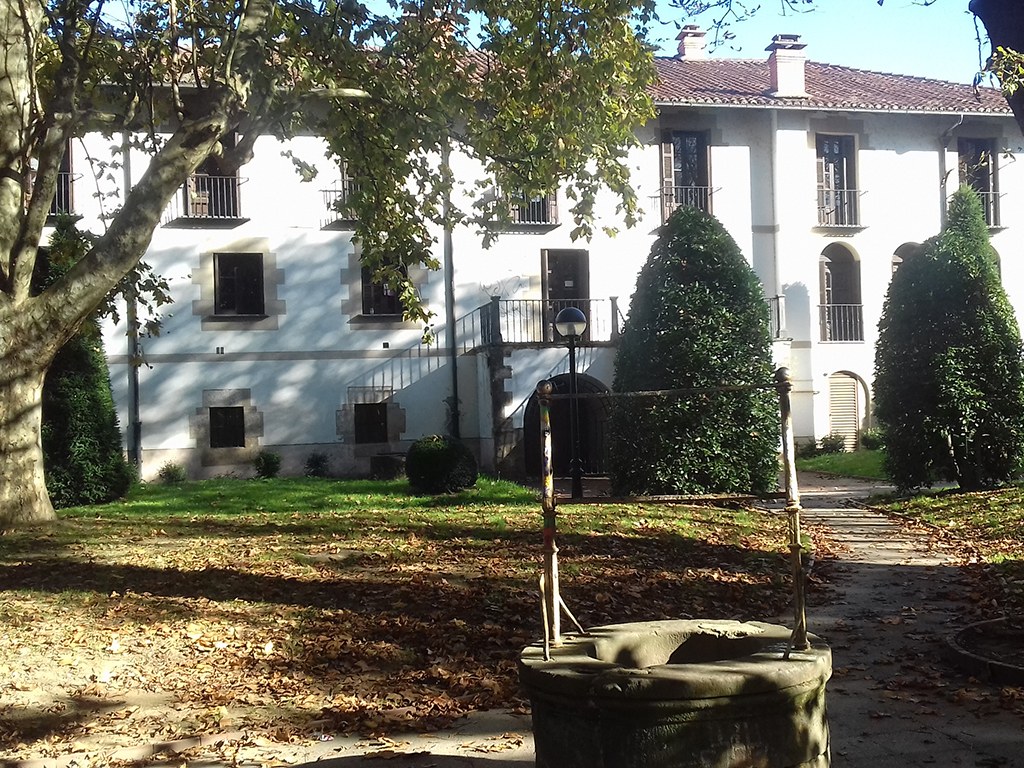
Lazárraga Tower-palace was initially a Gothic building, but was later renewed and extended when the palace was built. The tower has some very Castilian sgraffitos on the facade and a sort of rounded watchtower on the four corners. Its beautiful and colourful garden can be enjoyed between fall and spring.
Santa Marina Square
It was the first square in Oñati, present there in the 12th century. It was renewed during the 18th and the 19th centuries. The highlights include Madinabeitia Palace (Baroque style), Antia Palace (Baroque style) and Baruena Palace (neoclassical style), as well as the central fountain with Theological Virtues and a cross.
Los Fueros Square
The square was designed at the end of the 19th century. Three of its sides are arcaded, and the fourth is open to the mountain, limited only by the pelota court. The architect José de Lascurain conceived it in the 19th century, in collaboration with Antonio de Cortázar, the architect of the urban expansion area in Donostia-San Sebastián. One of the buildings to be mentioned is Rococo Baroque Town Hall, built in 1778 by the architect Martín de Carrera, in which the town’s coat of arms stands out.
See also