
Practical information
- Date: 60 days from Resurrection Sunday
- Guided tours: Tourist Office of Oñati (Telephone: 943 783 453/E-mail: turismo@onati.eus).
- More information: Wikipedia
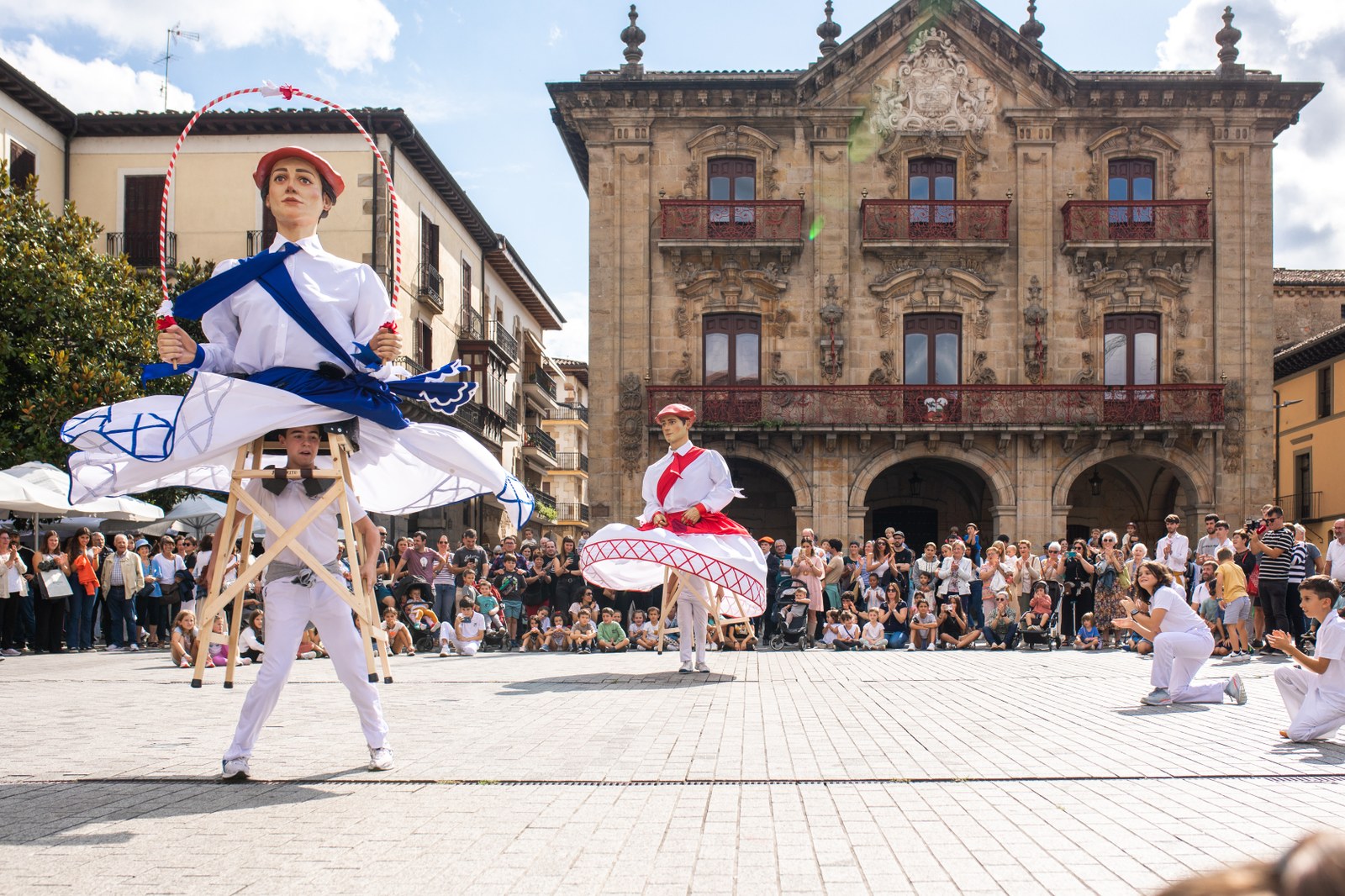
Festivities of Oñati are deeply rooted in the traditional culture The survival of deeply rooted traditions such as the Corpus day procession is unique with over 500 years of celebration.
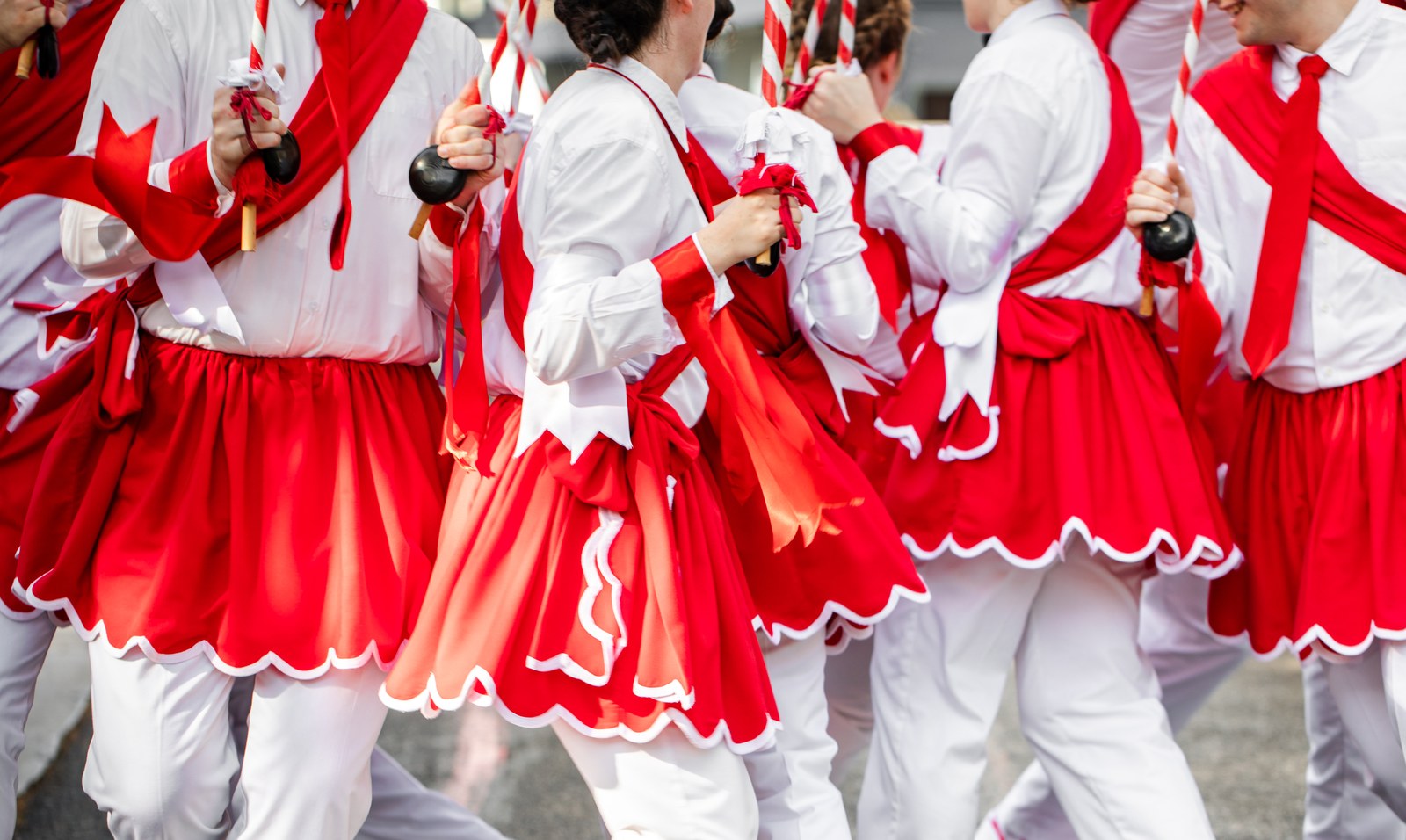
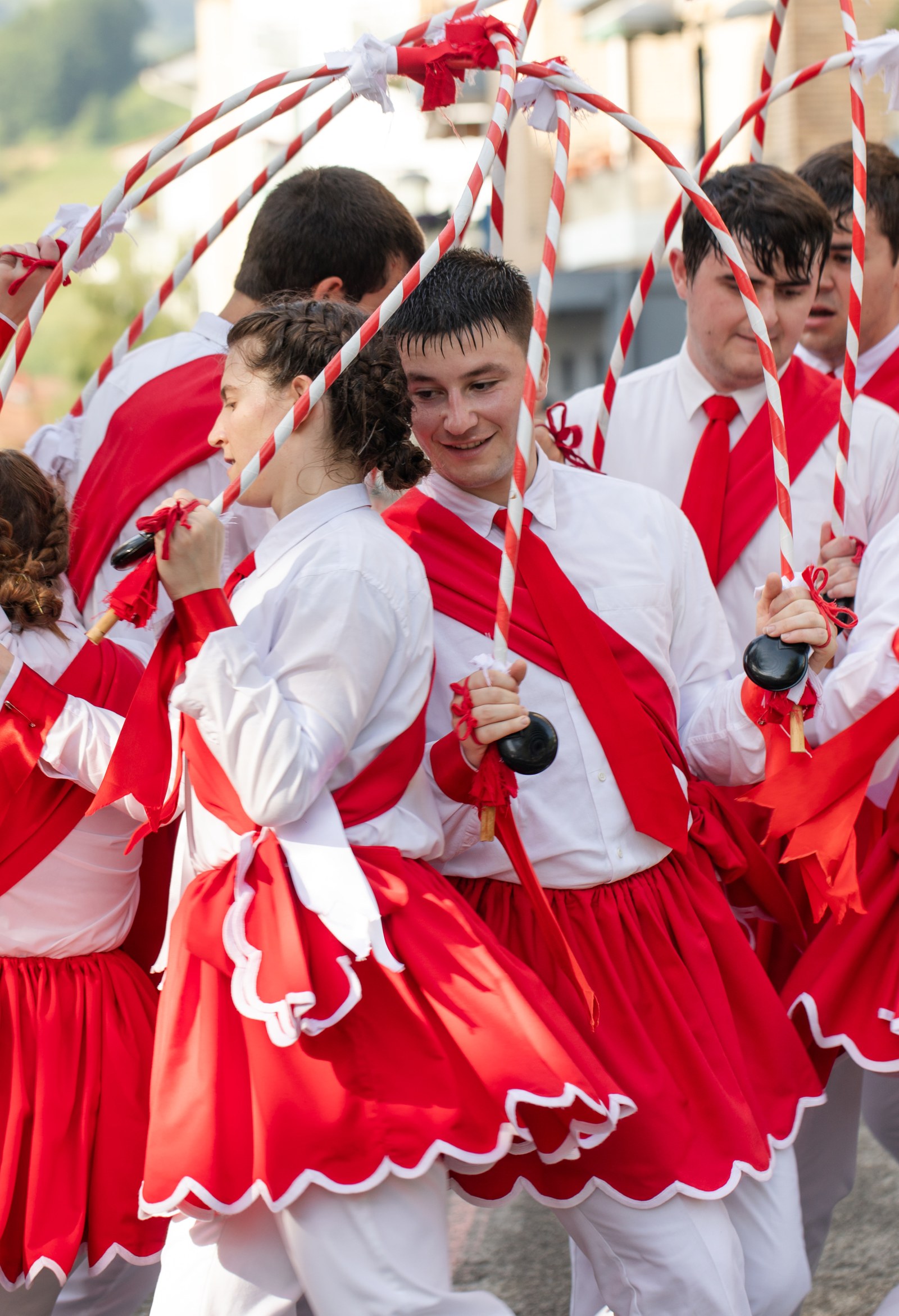
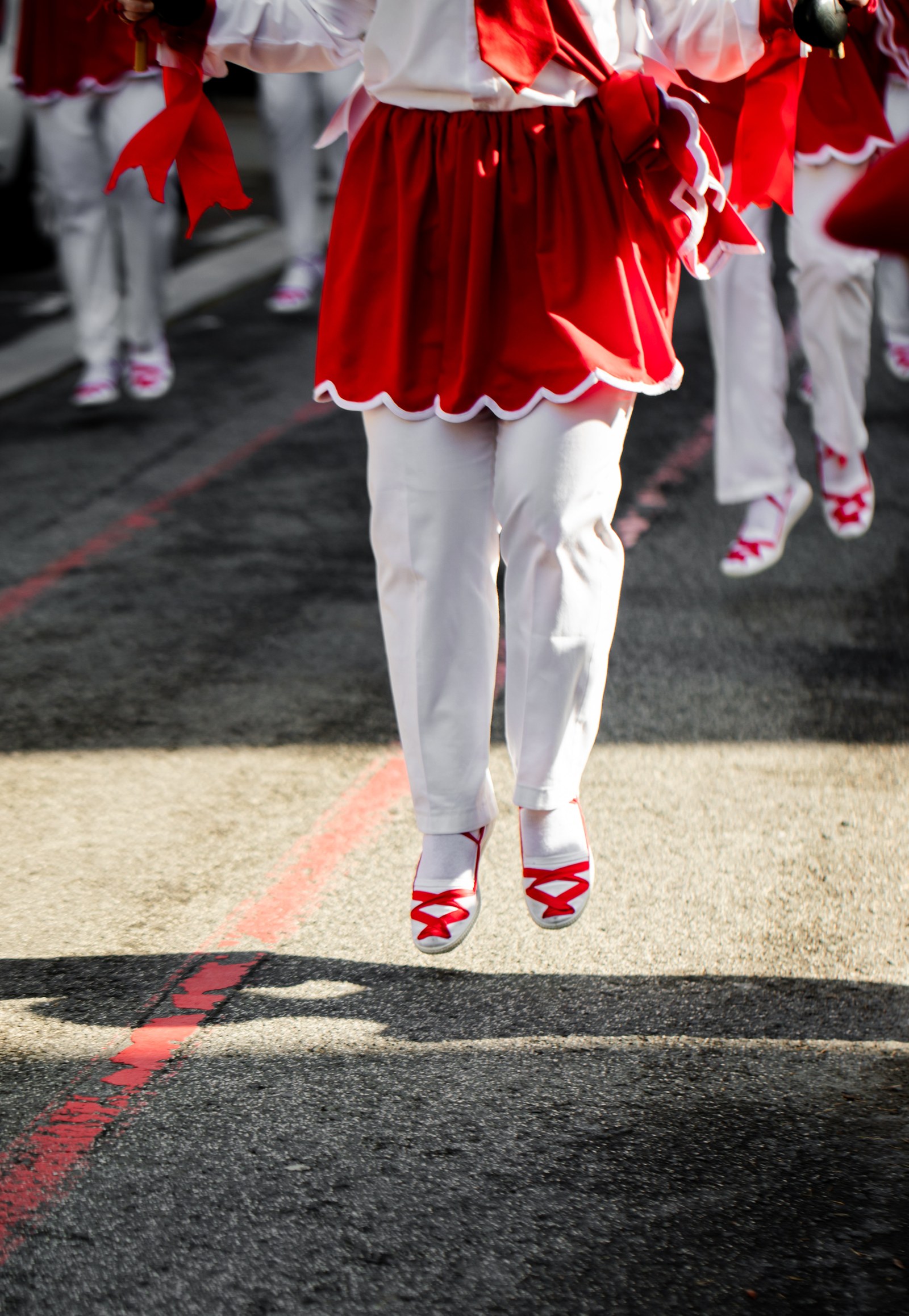
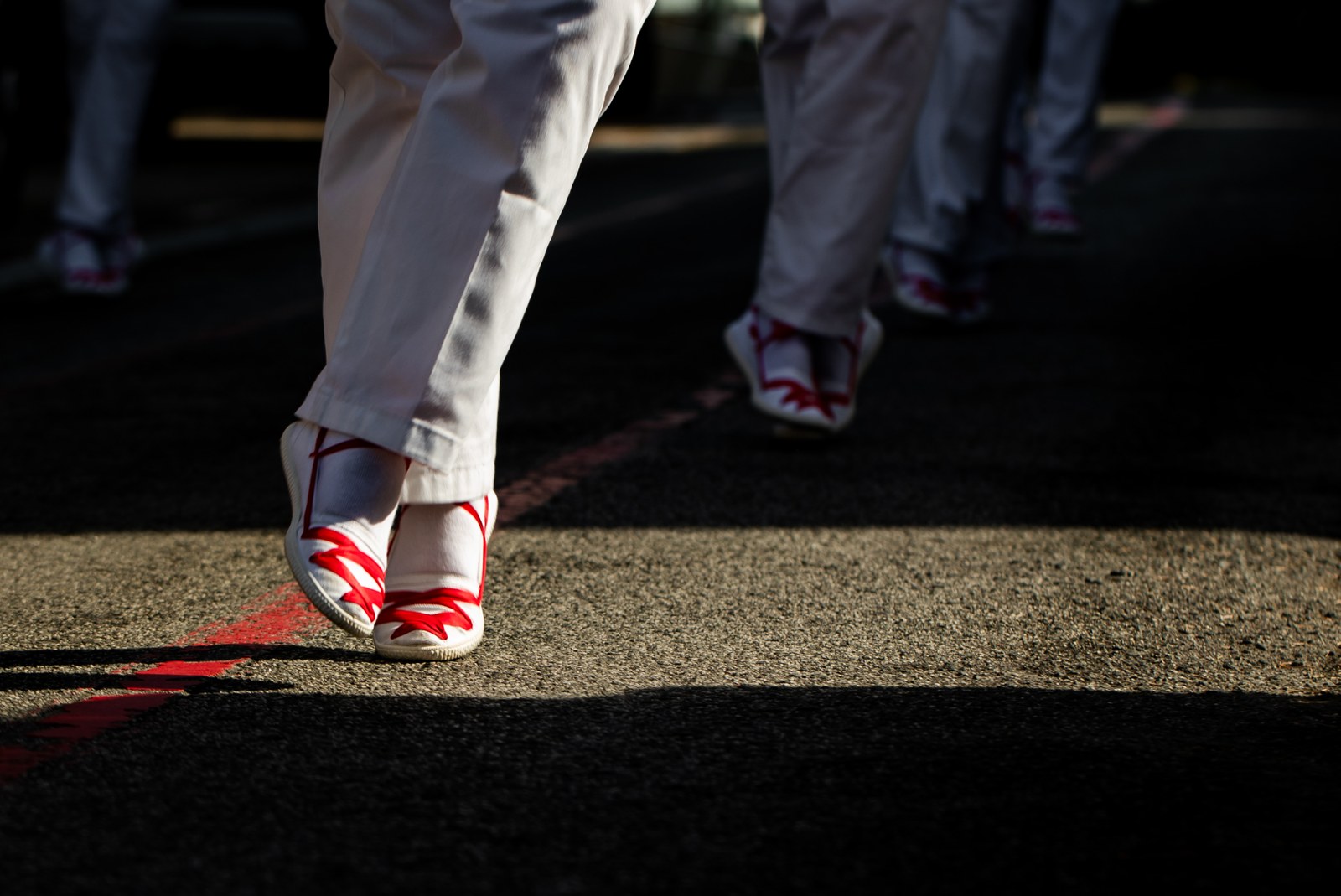
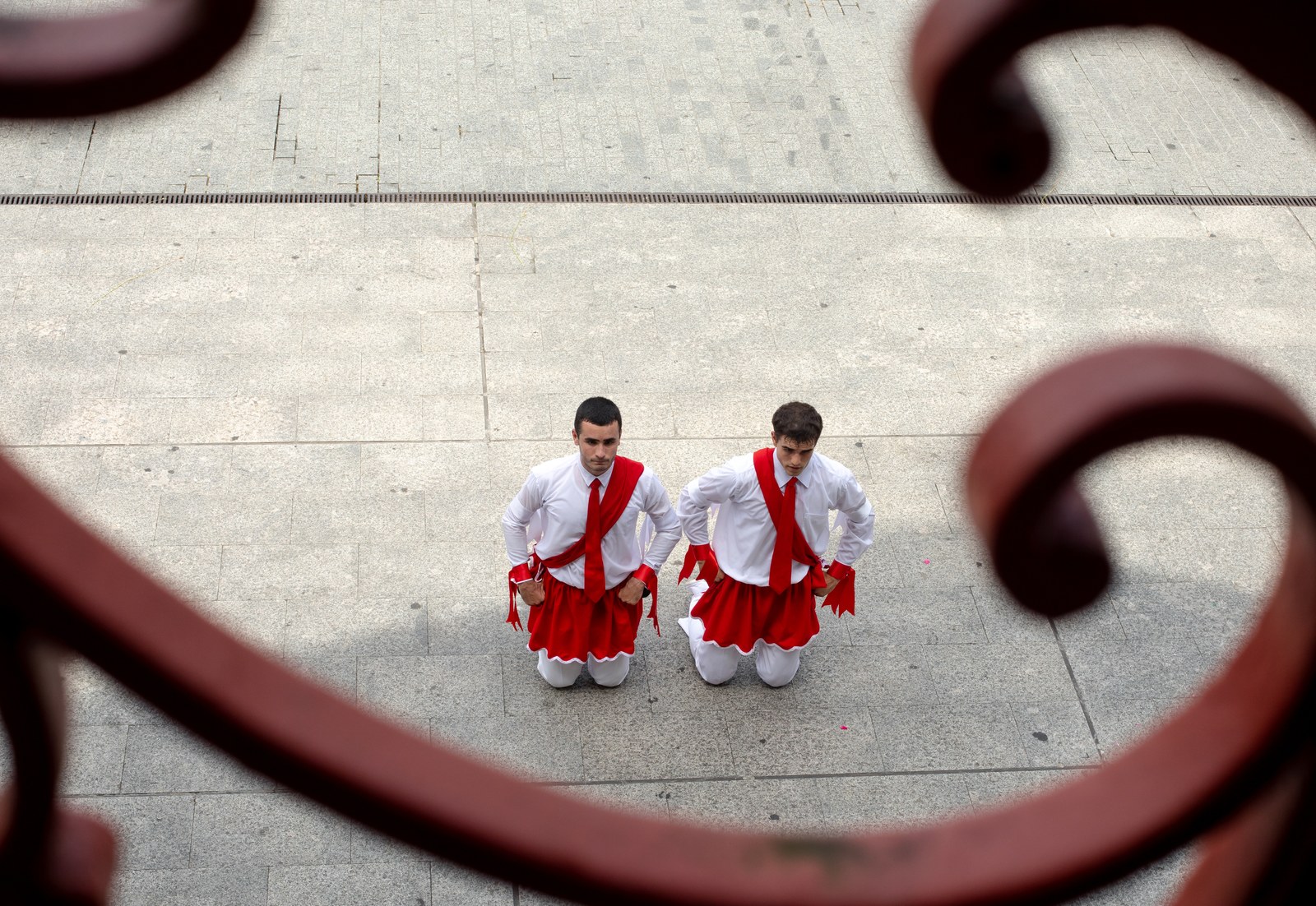
In 1478 the Corpus Christi procession was already celebrated with its remarkable "dantzaris" (dancers), who form a folklore relic of great choreographic value, and the personified apostles with St. Michael at the front.
The Oñati Tourist Office offers a special Corpus guided tour every year.
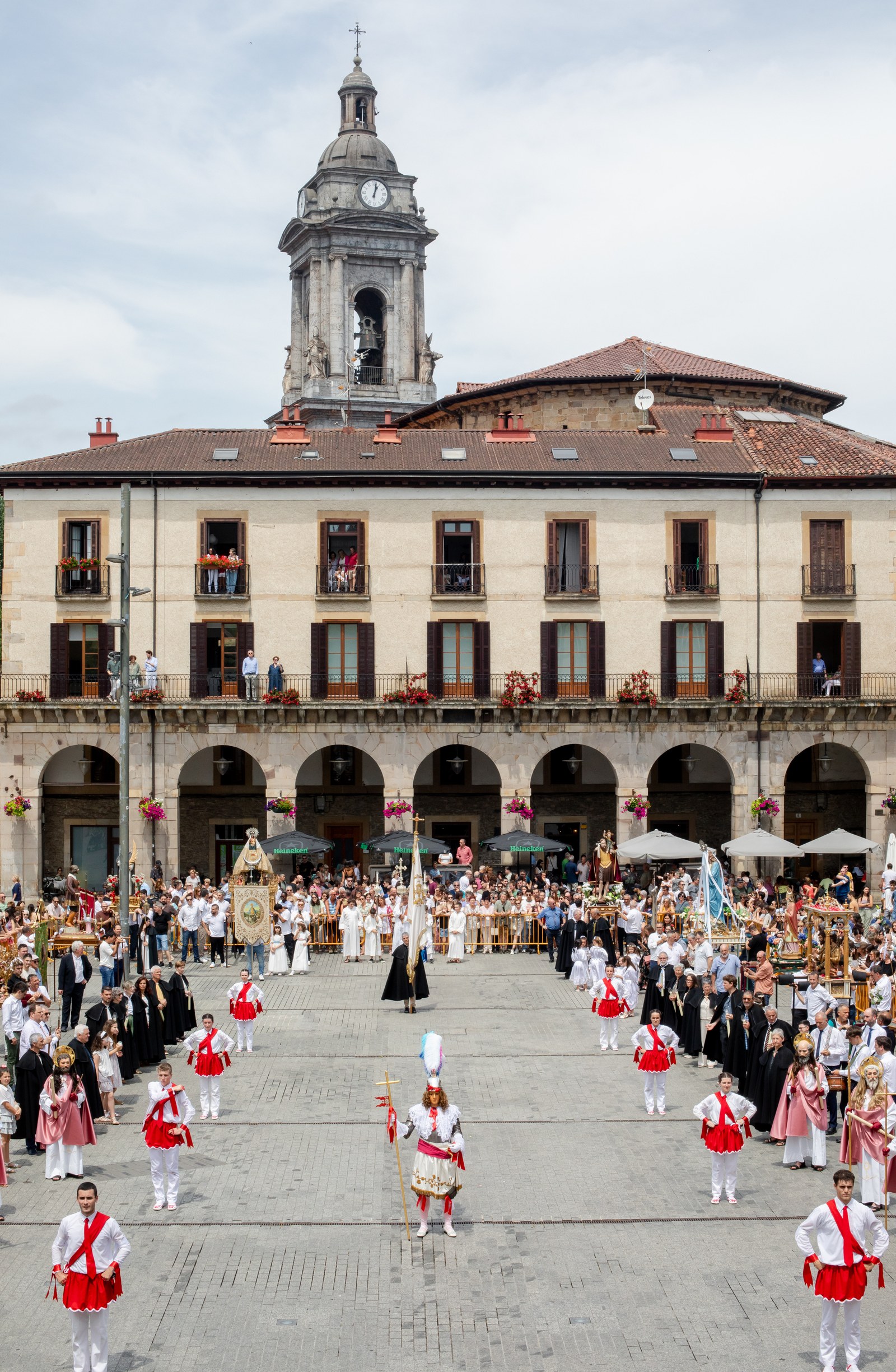
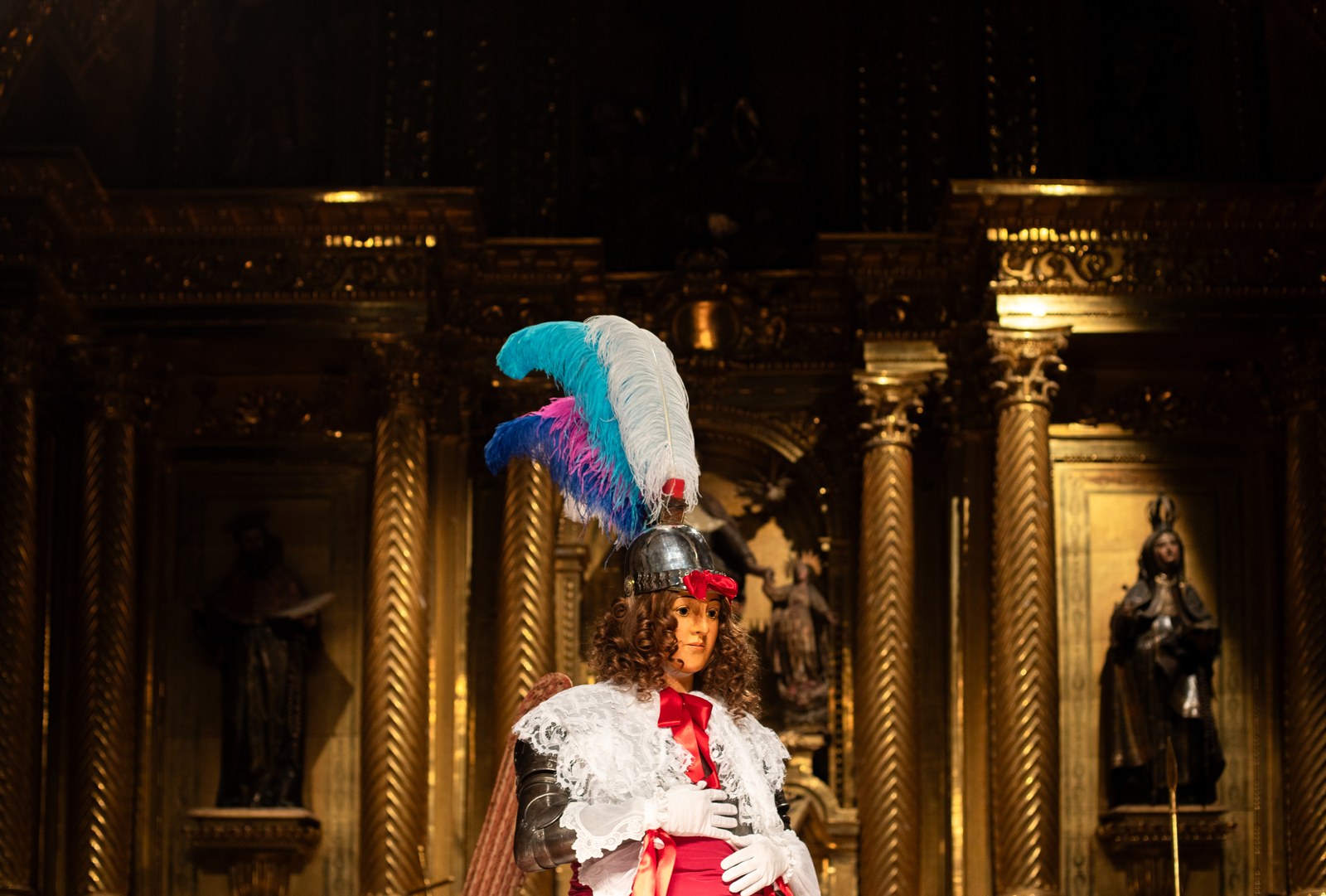
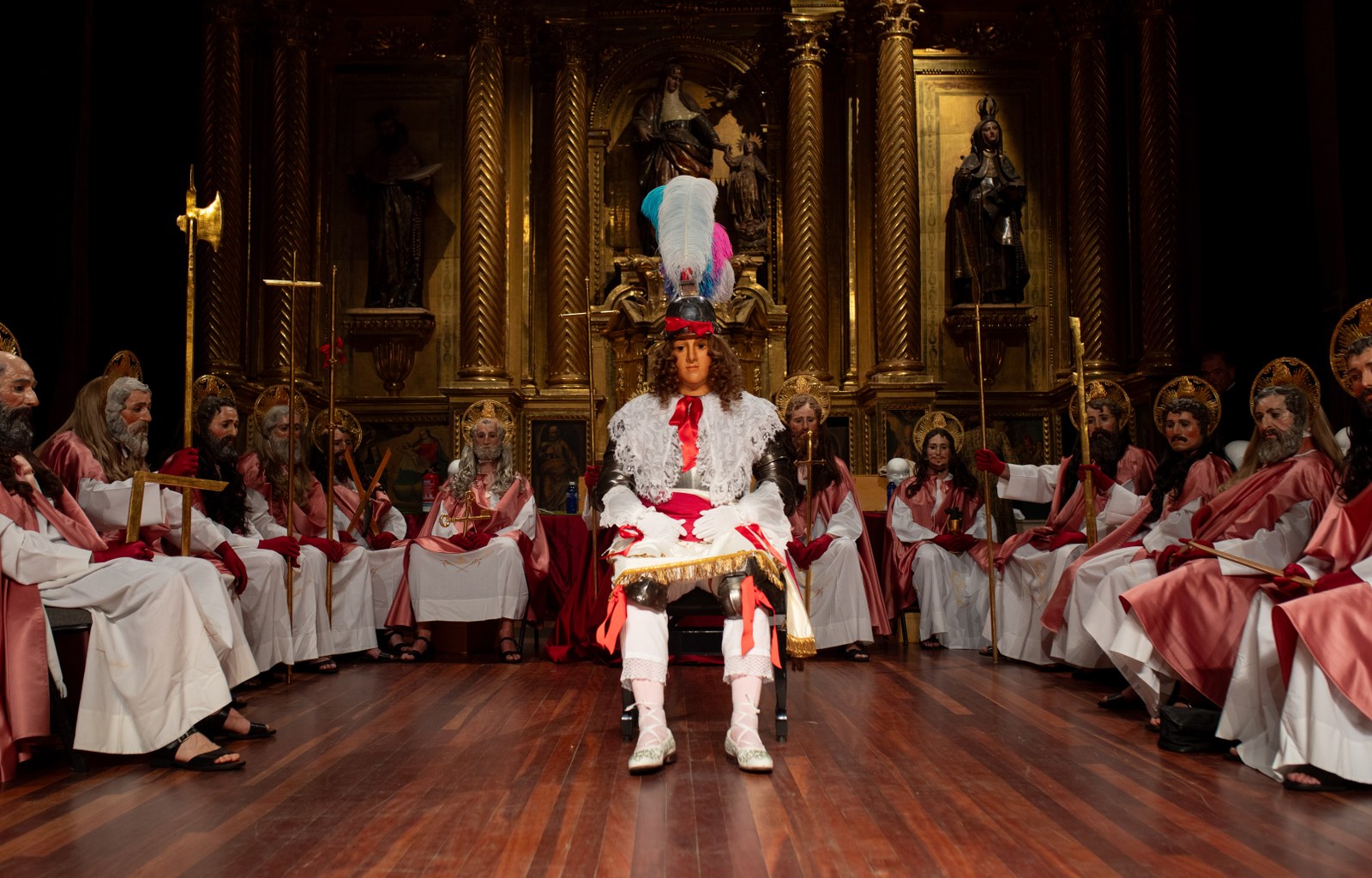
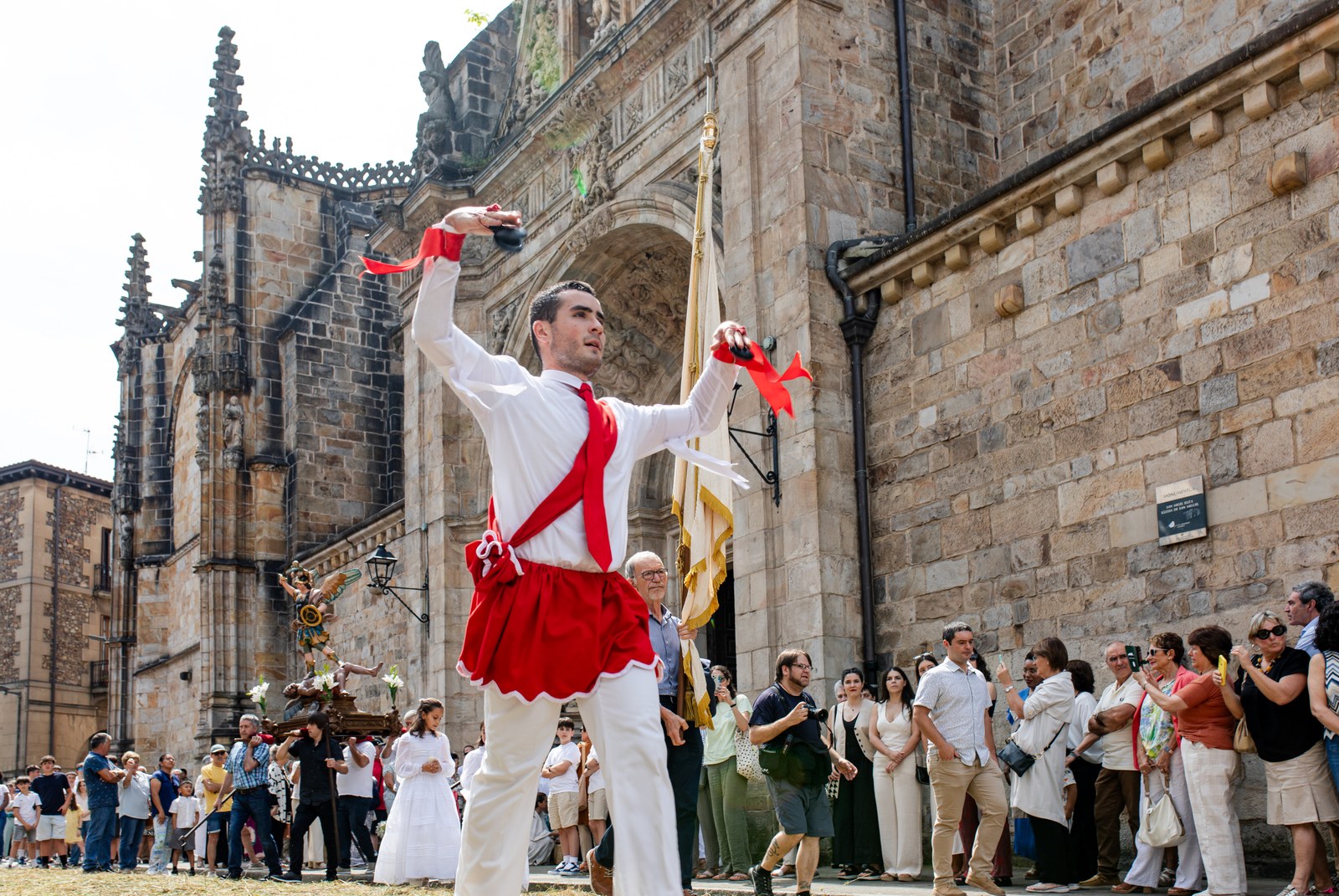
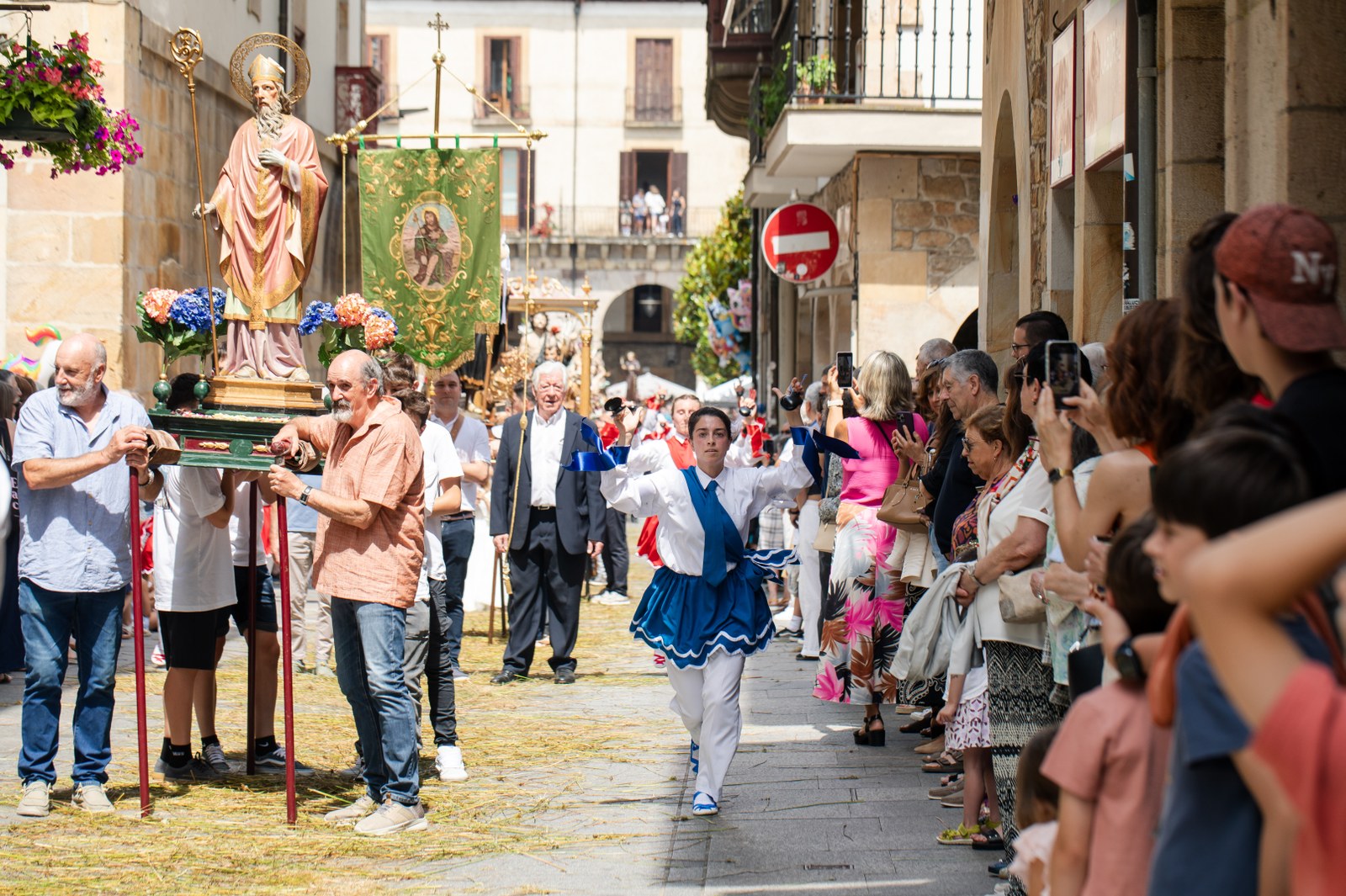
The Corpus is a religious feast from the Middle Ages, founded by Pope Urban IV in 1264. However, it did not extend to the entire Catholic Church until 1311, when Clement V. It is thus celebrated throughout Europe, and over time it has become a very important festival, very rich in social and cultural terms, beyond the religious character it had at its origin.
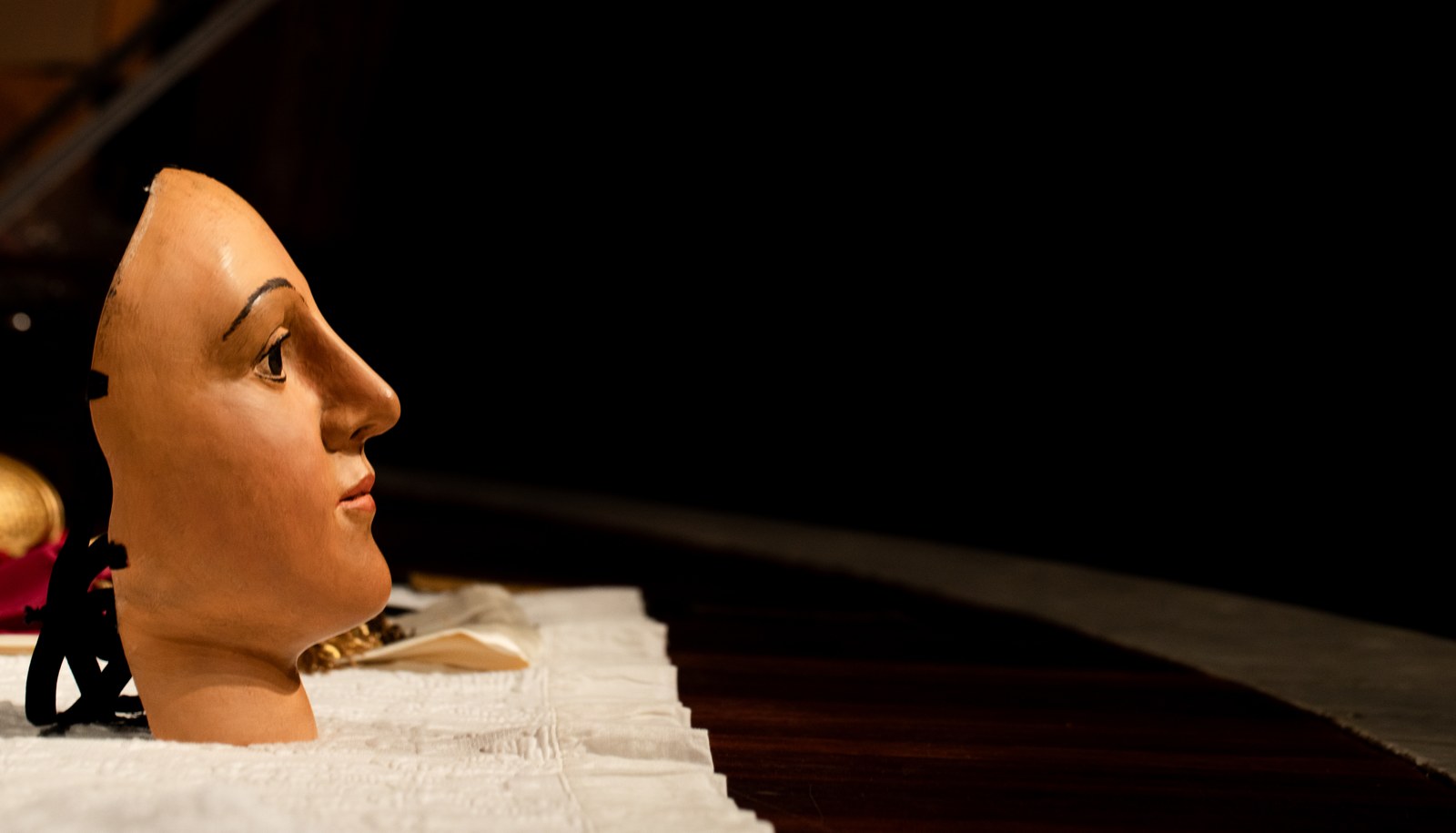
The principal features of the Corpus of Oñate are, on the one hand, the persons of the procession, that is, Christ, the twelve Apostles, and St. Michael. On the other hand, the dancers, known as the Corpus Dances, who are offered only on that day. On the other hand, representing the people of Oñate during the procession, Saint Michael and the dancers will bow to the Most Holy Sacrament.