
Practical information
- Area 15.919 ha.
- Year of declaration: 2006
- Protection tools: Natural Park and Special Area of Conservation (SAC).
- Maximum elevation: 1.550 m
- Access: Arantzazuko Parketxea
More information:
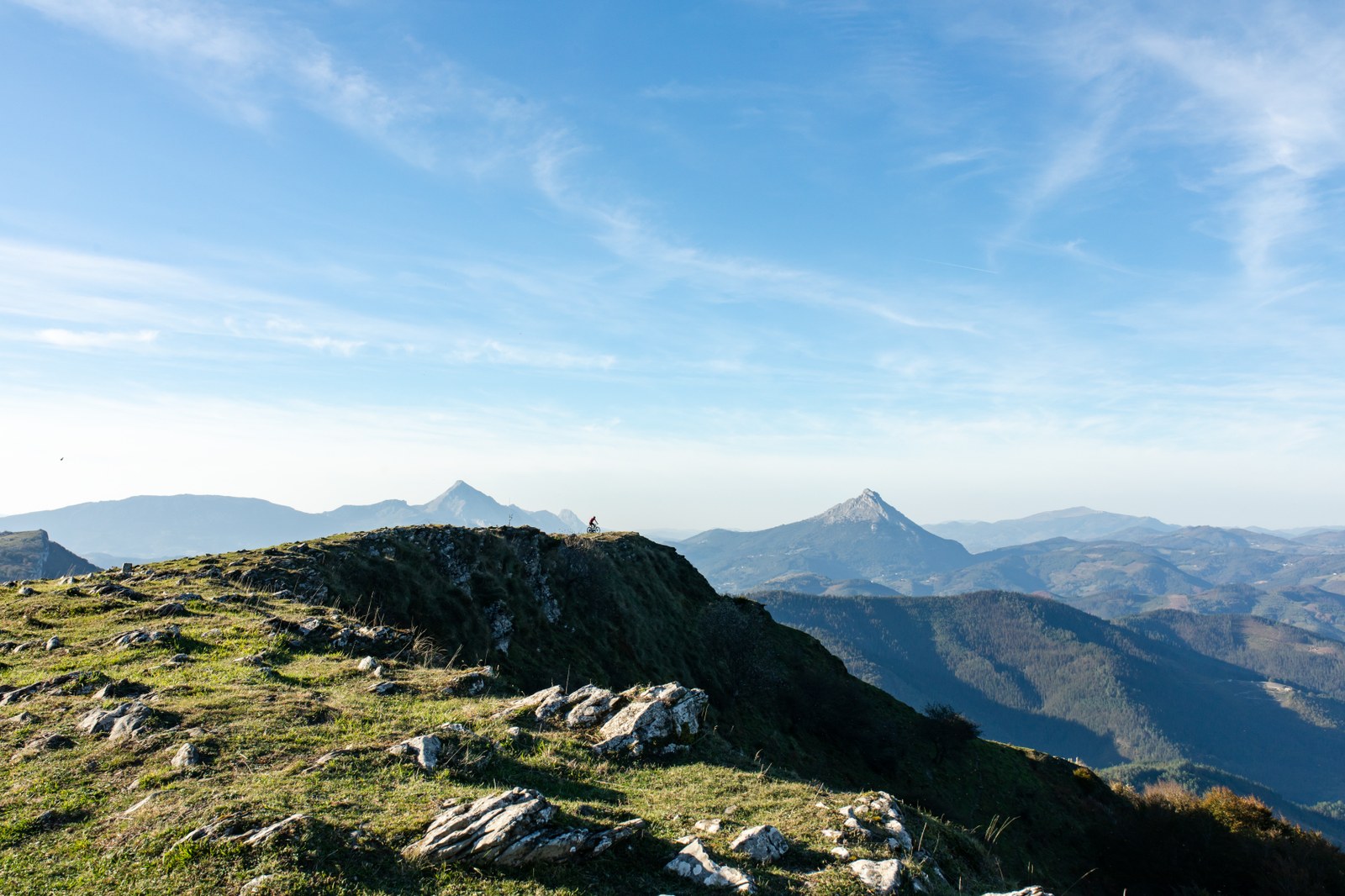
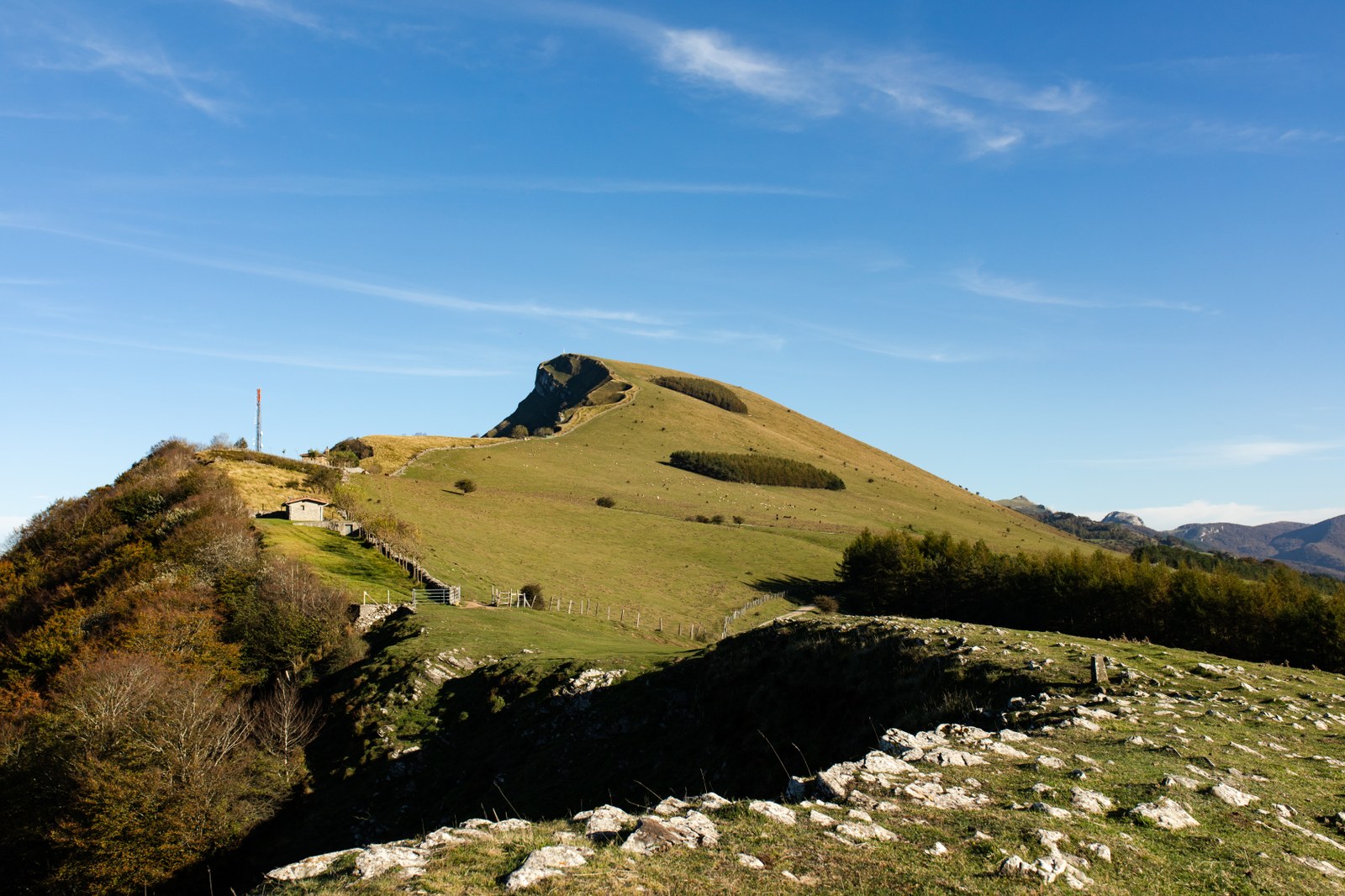
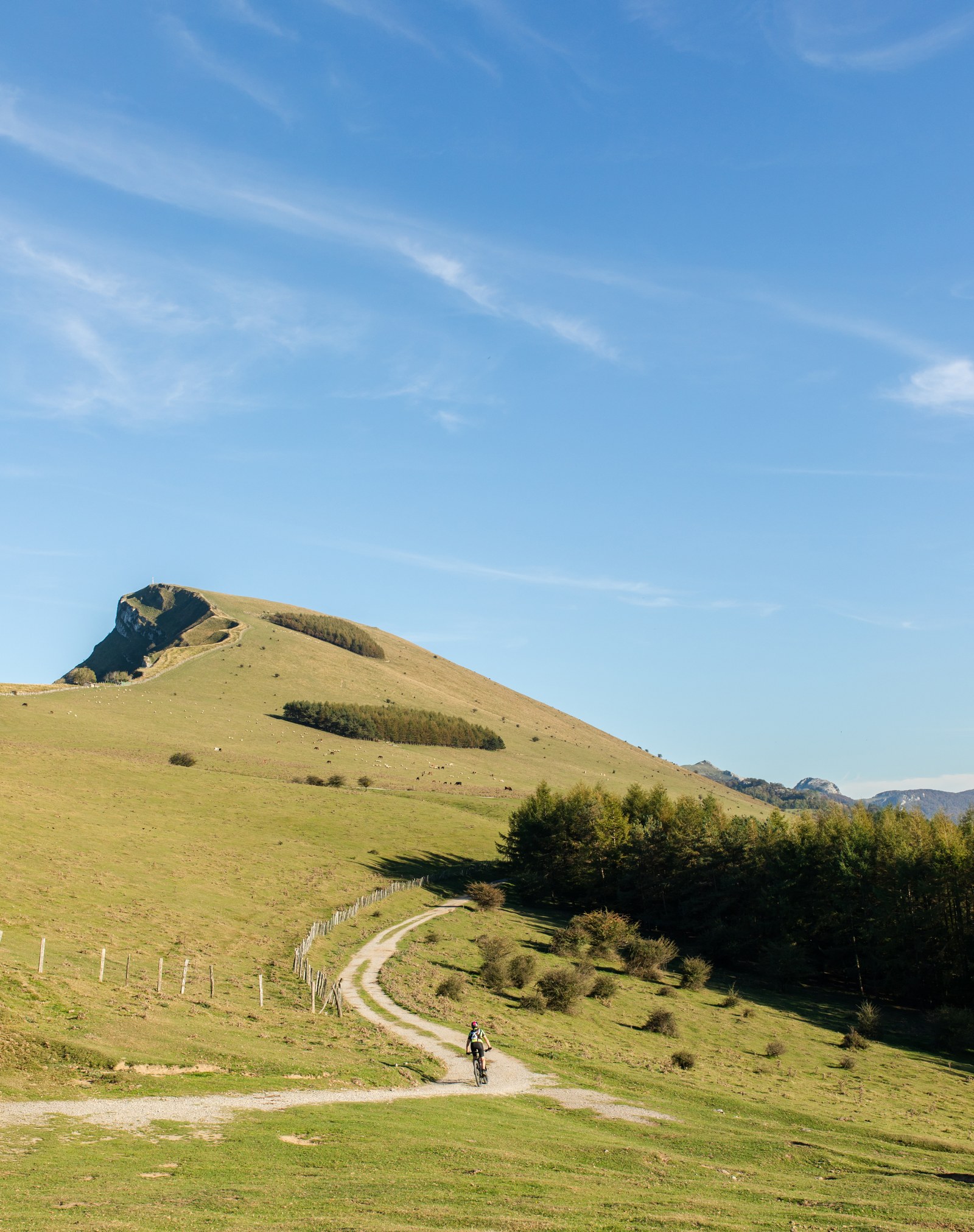
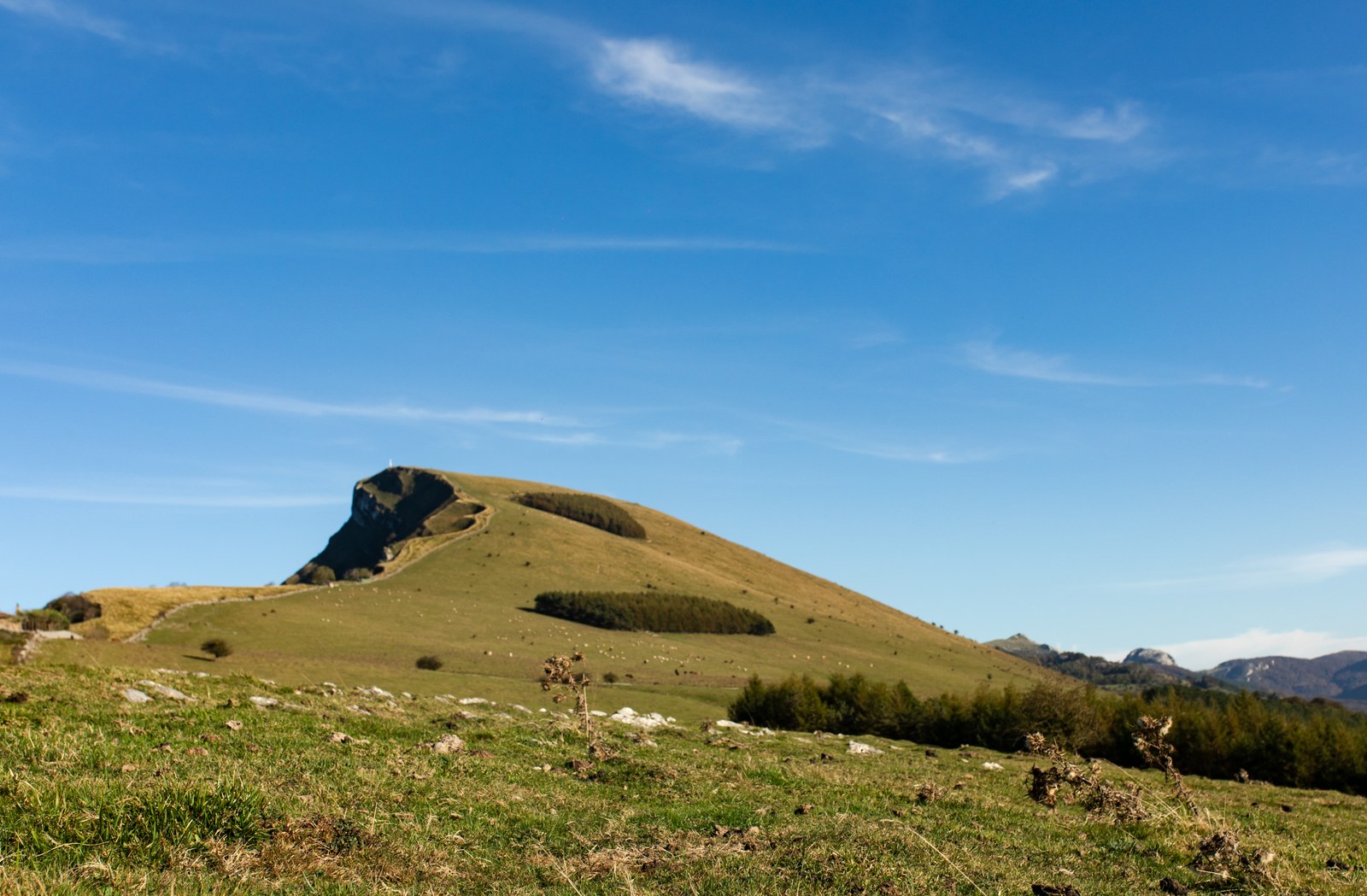
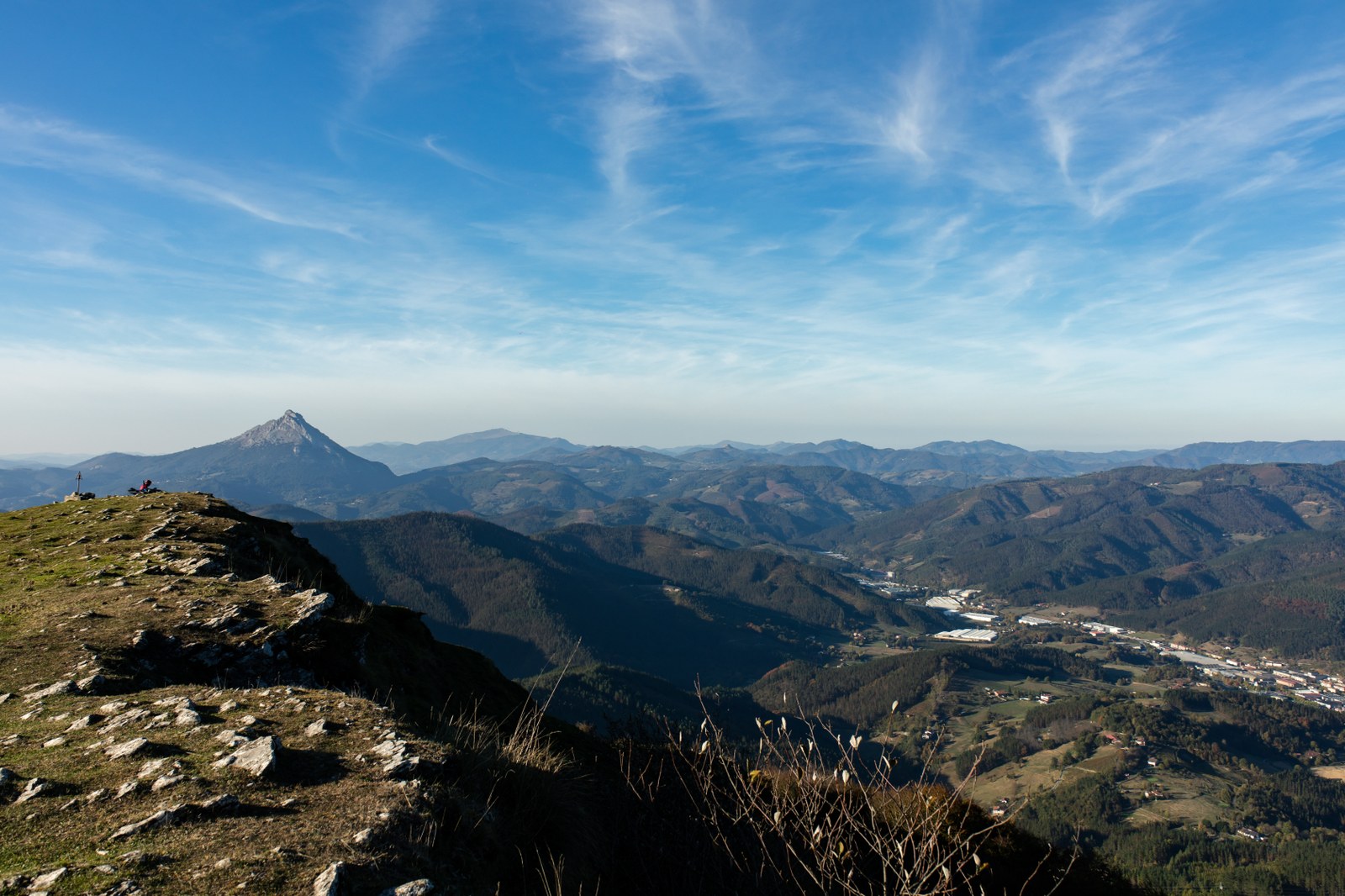
The Aizkorri-Aratz Mountain Range accommodates the highest summits in the Cantabrian-Mediterranean watershed, such as Aitxuri (1,551 m) and Aizkorri (1,523 m), as well as other mountains, which all together form a beautiful massif that is a point of reference for the Basque mountaineering. This area covers a surface of 16,000 hectares and the “main entrance” to the natural park is located in the Sanctuary of Arantzazu.
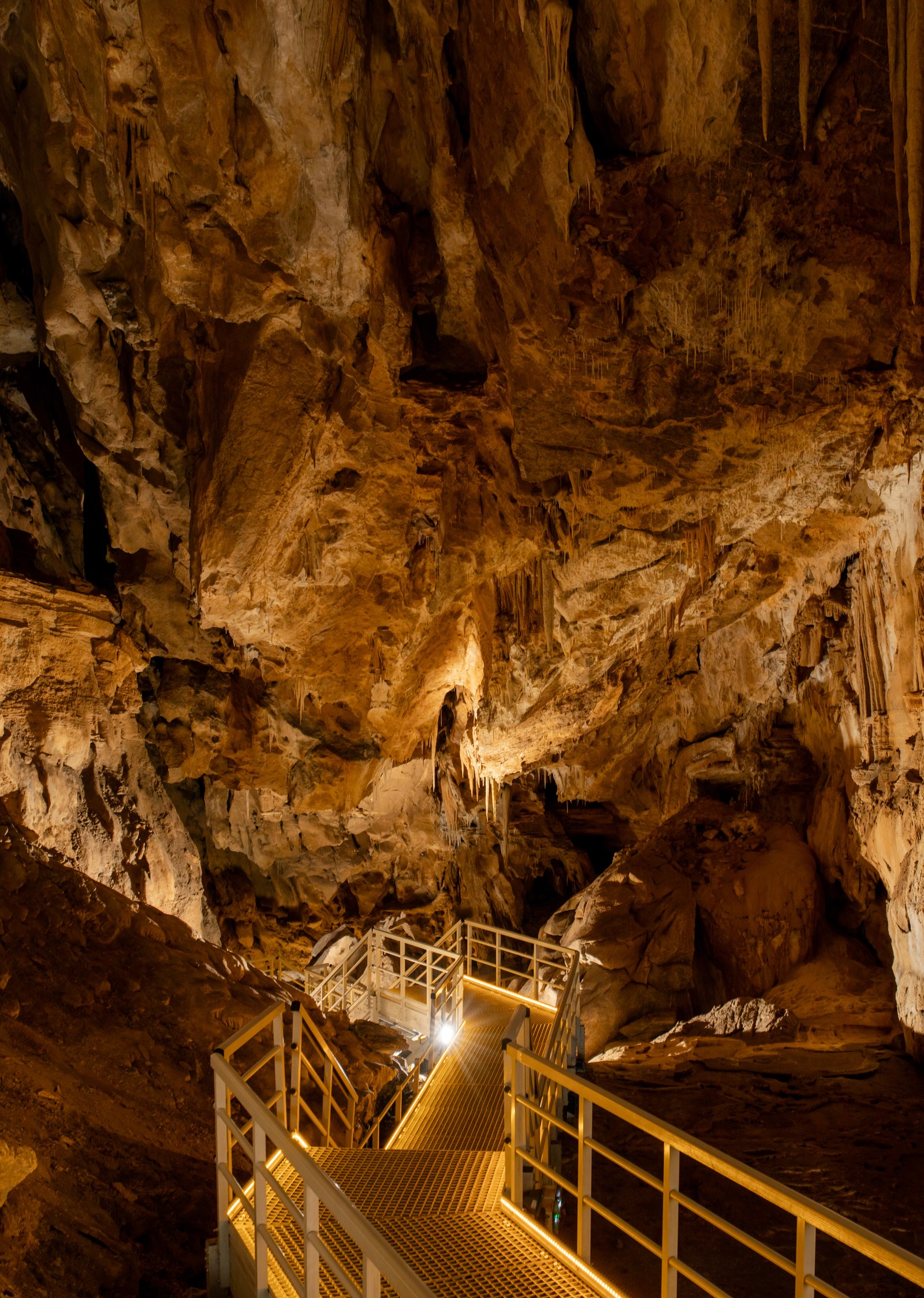
Furthermore, three of the main rivers in Gipuzkoa have their sources on the foothills of these limestone mountains. The karst phenomena and landscapes are also very remarkable. The course of the groundwater has created more than 15 km of galleries, where the Oñati-Arrikrutz stand for a visit. Trip and ideal routes.
The Aizkorri-Aratz Natural Park has numerous open-air sites. This park offers an interesting historical and cultural heritage.
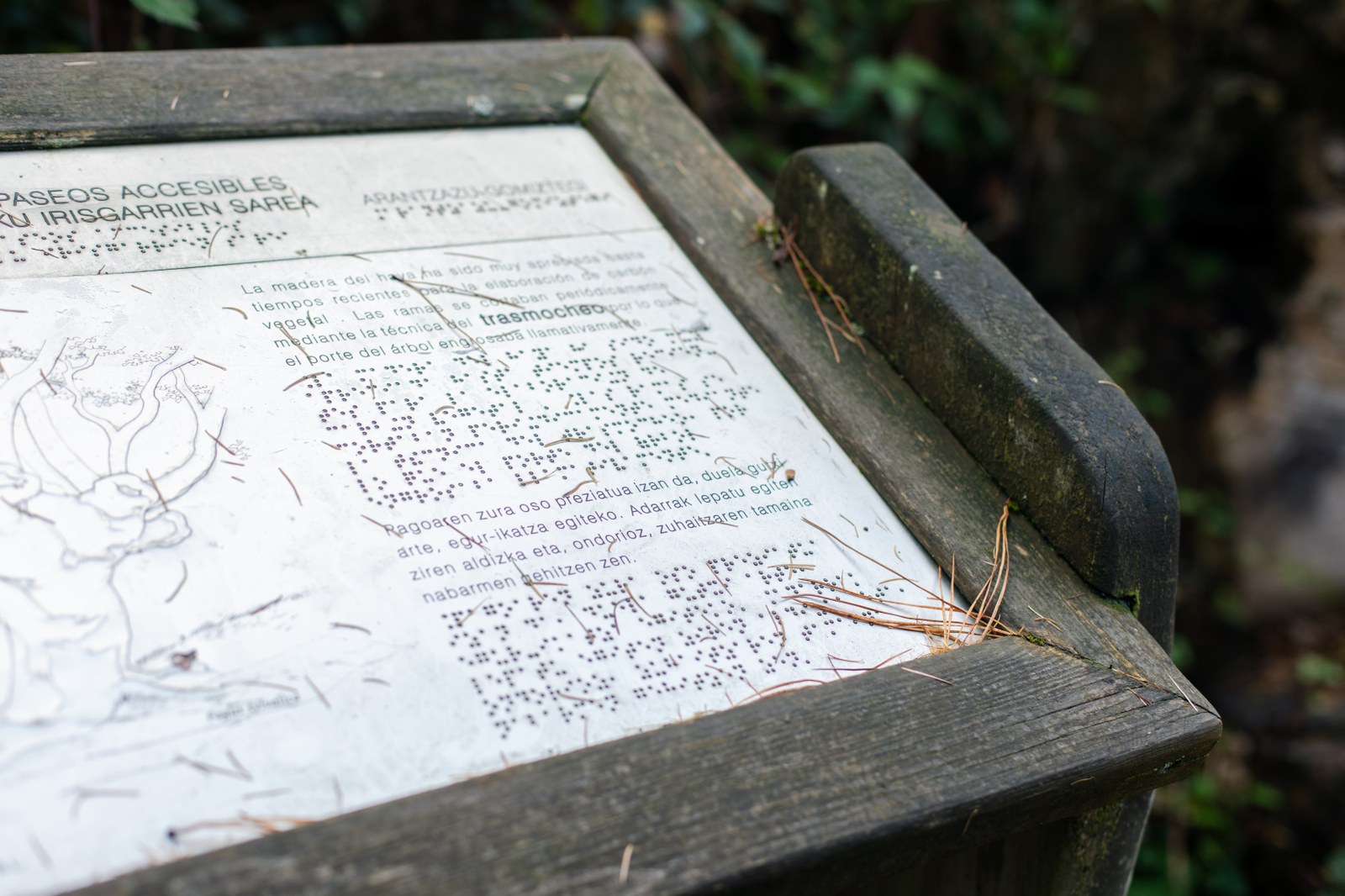
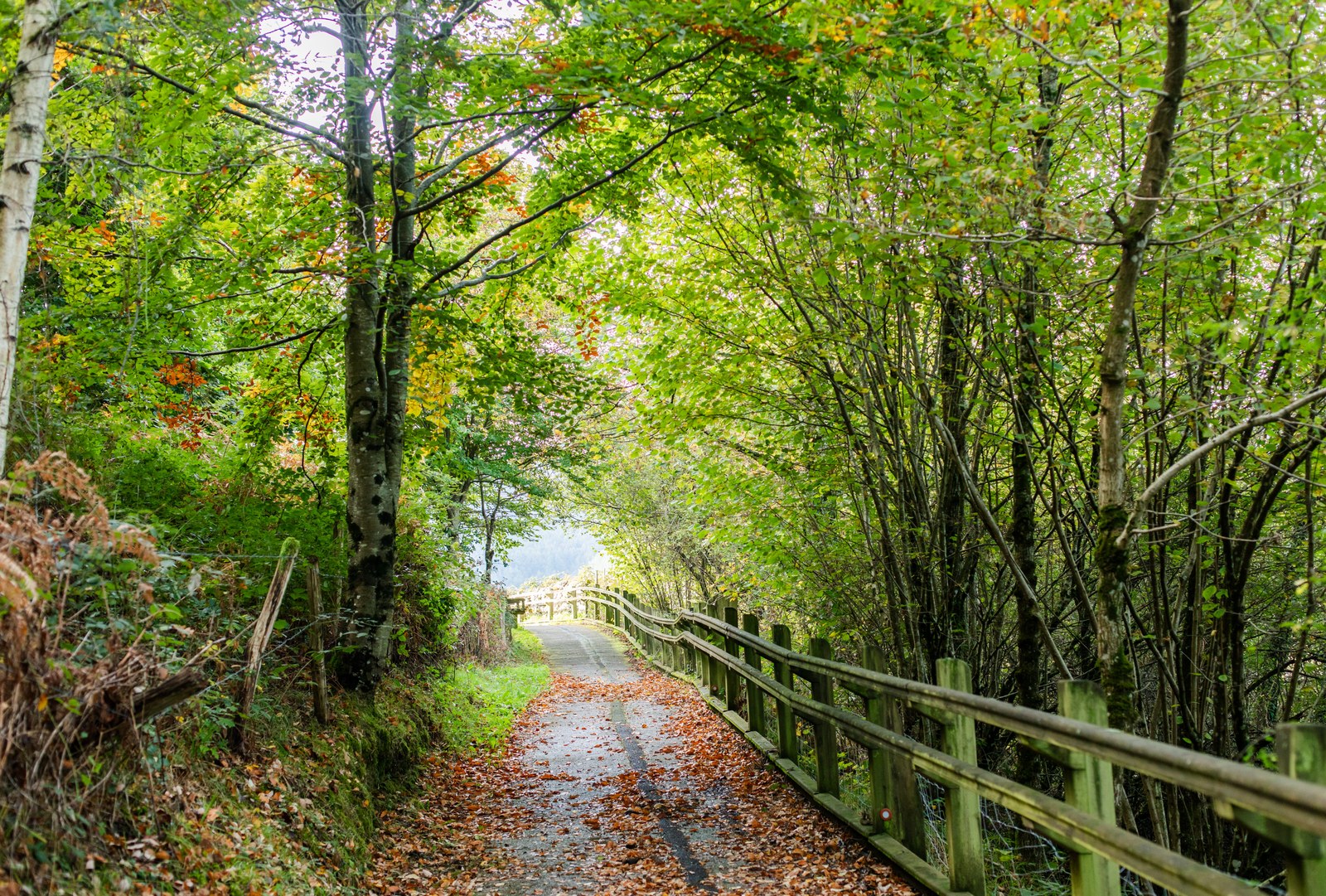
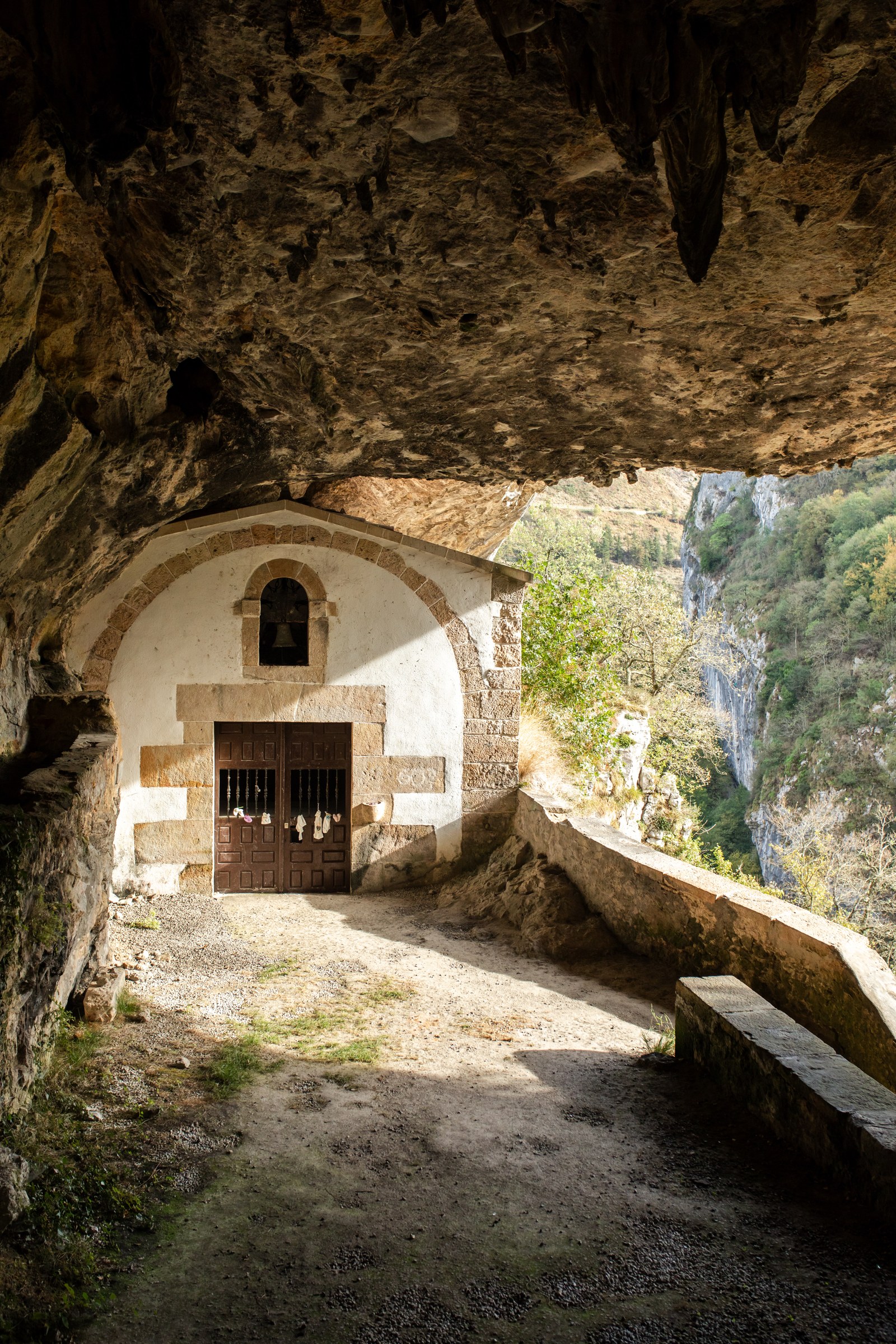
Interpretation Centre of Aizkorri-Aratz Natural Park
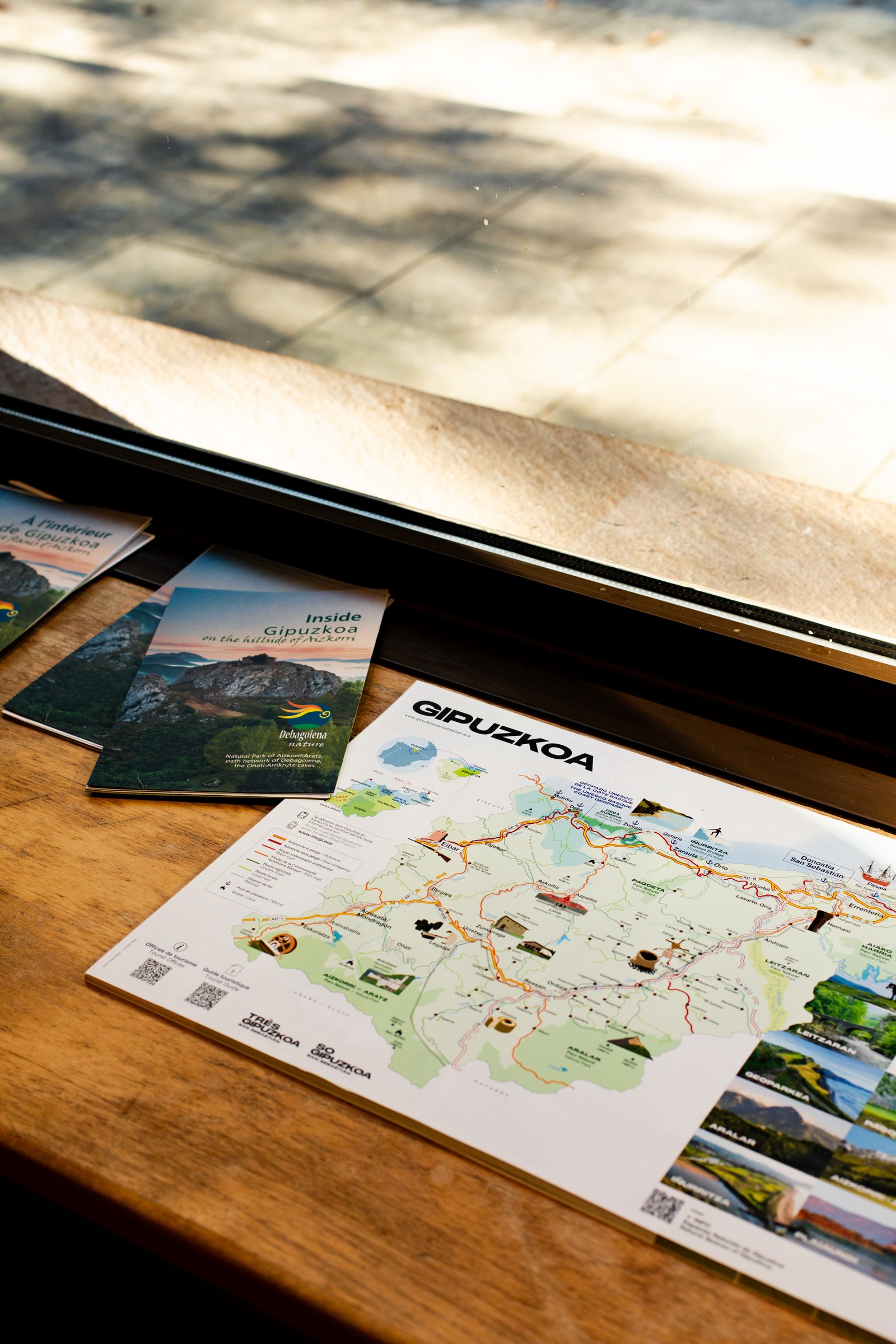
The Interpretation Centre of Aizkorri-Aratz Natural Park, the Parketxe, is located in the building Gandiaga Topagunea II in the Sanctuary of Arantzazu. Its area of 640 m2 is distributed on three floors. It is not only the reception point for the visitors but also the place in which the most important resources of the reserve are presented. The permanent exhibition is fitted with new technologies, teaching areas and interactive media.
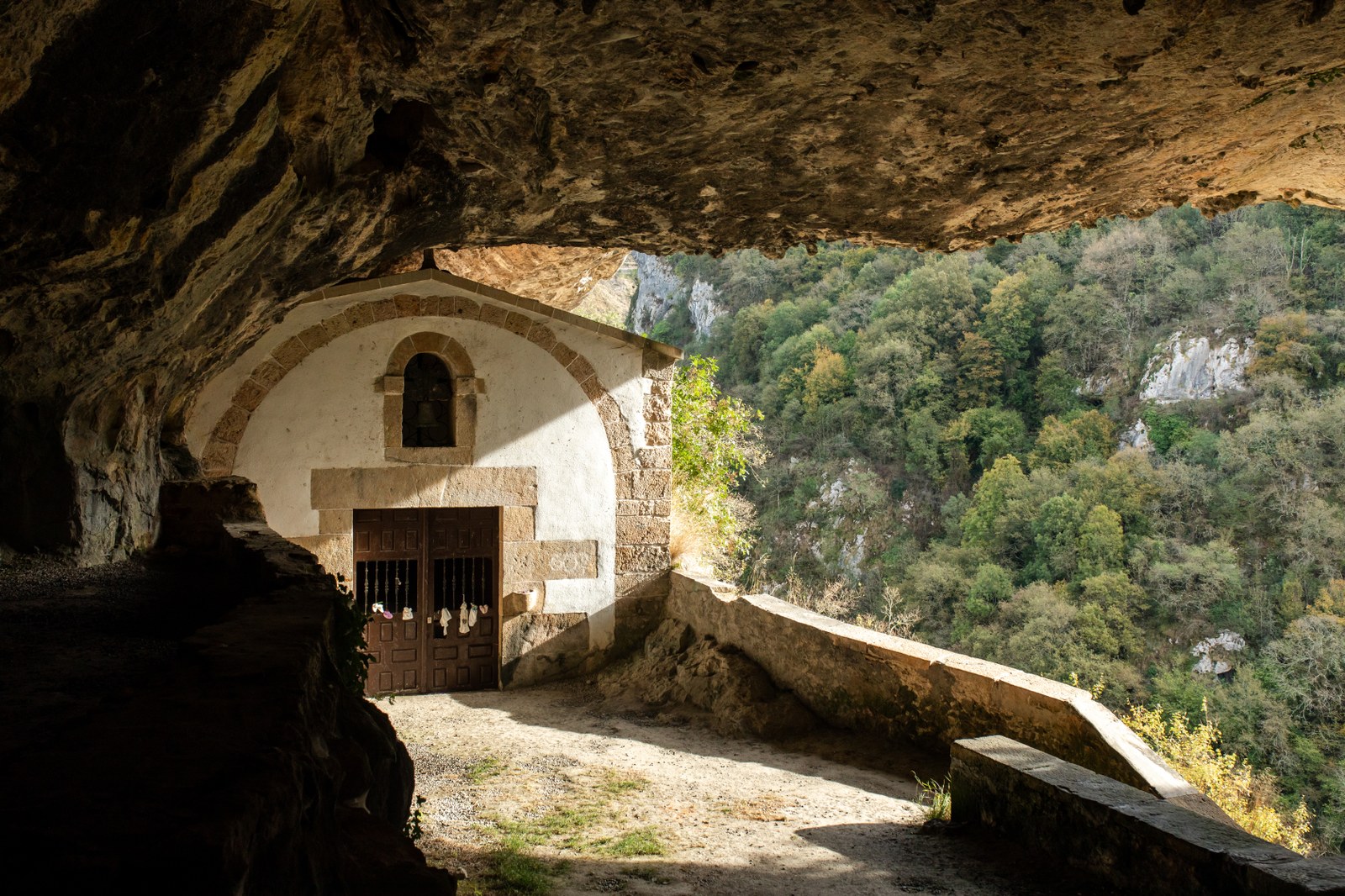
The Interpretation Centre of Aizkorri-Aratz Natural Park is an adequate starting point for the different mountain paths and tracks that will lead us to places such as the Gomiztegi Farmhouse, the open fields of Urbia (including a shelter and a chapel) and/or the highest peaks, Aitxuri or Aizkorri.
Natural Park
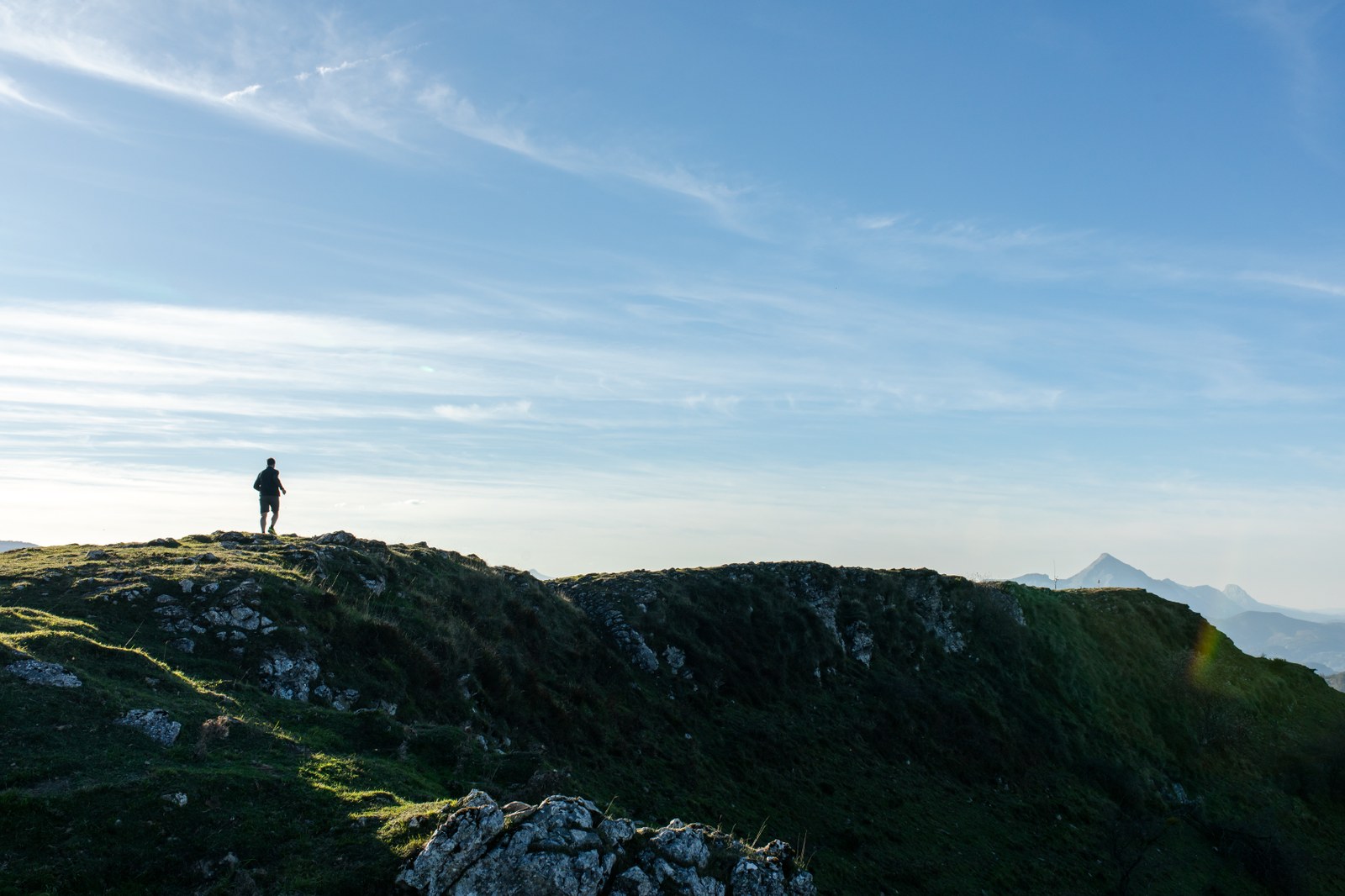
Within this natural area, a long mountain range runs east to west. This range includes one of the highest peaks in the Autonomous Community of the Basque Country (Aitzuri, 1,550 m), which marks the boundary between the Cantabrian and Mediterranean slopes and also divides the historical provinces of Álava and Gipuzkoa.
Most of the bedrock consists of Urgonian limestone, whose erosion creates spectacular karst formations: peaks, sinkholes, dolines, lapiaz, ravines, etc. Notable among these are the Leze ravine, the San Adrián tunnel, the Urbia depression, and the Arantzazu mill... Elgea-Urkila is a place where the bedrock changes and sandstone and clay appear on the surface, giving the landscape rounded slopes and a rugged relief.
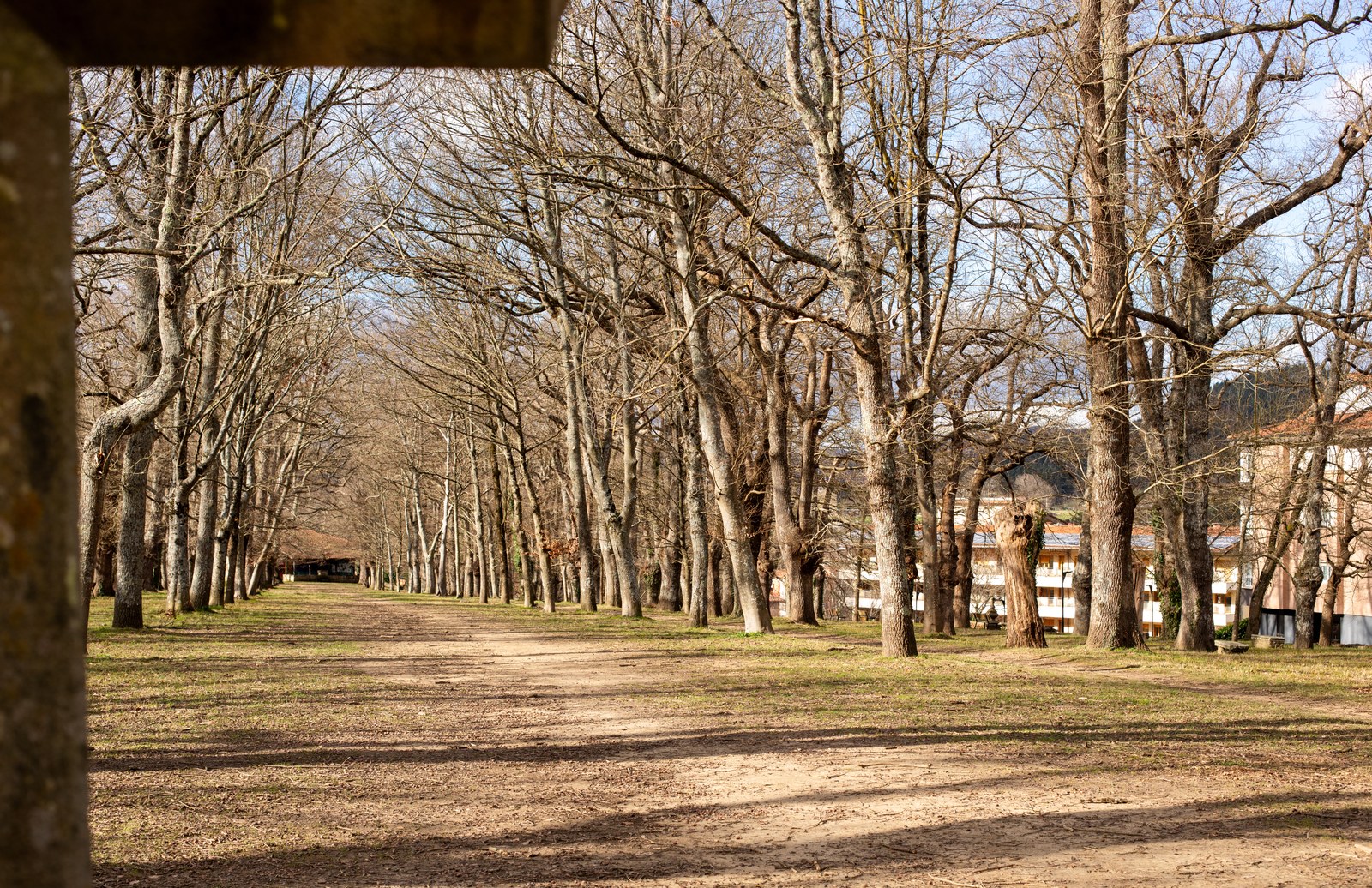
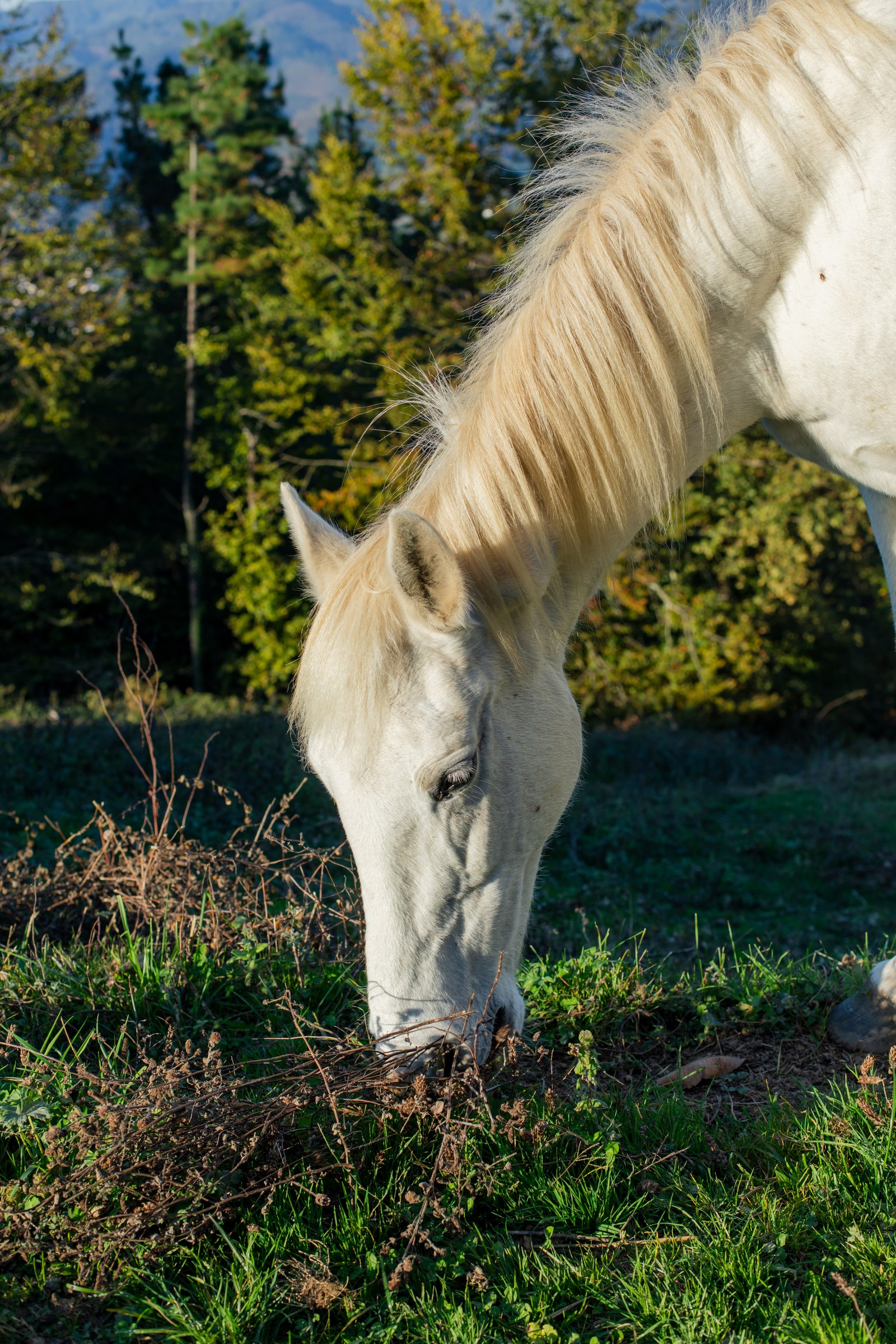
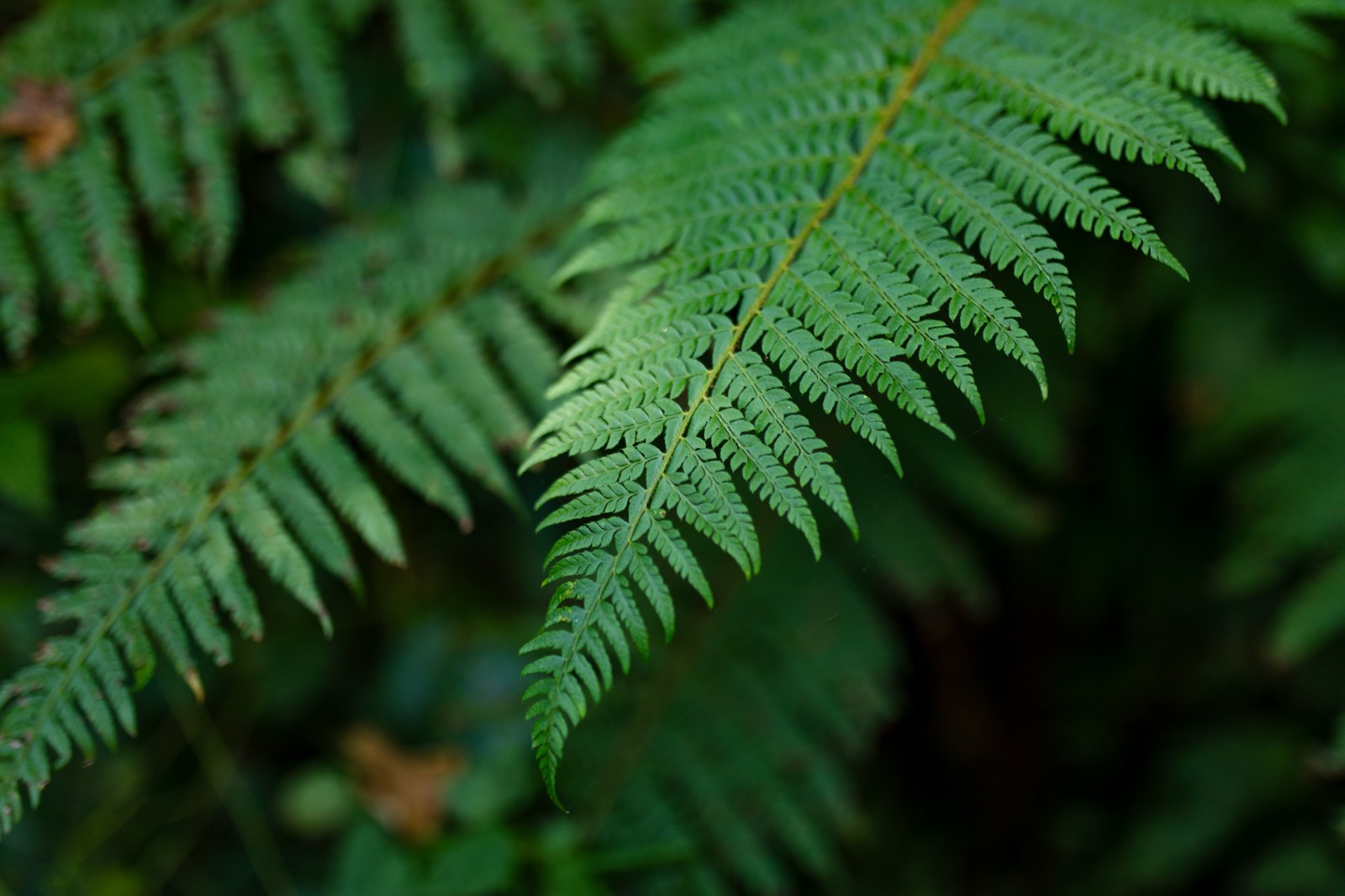
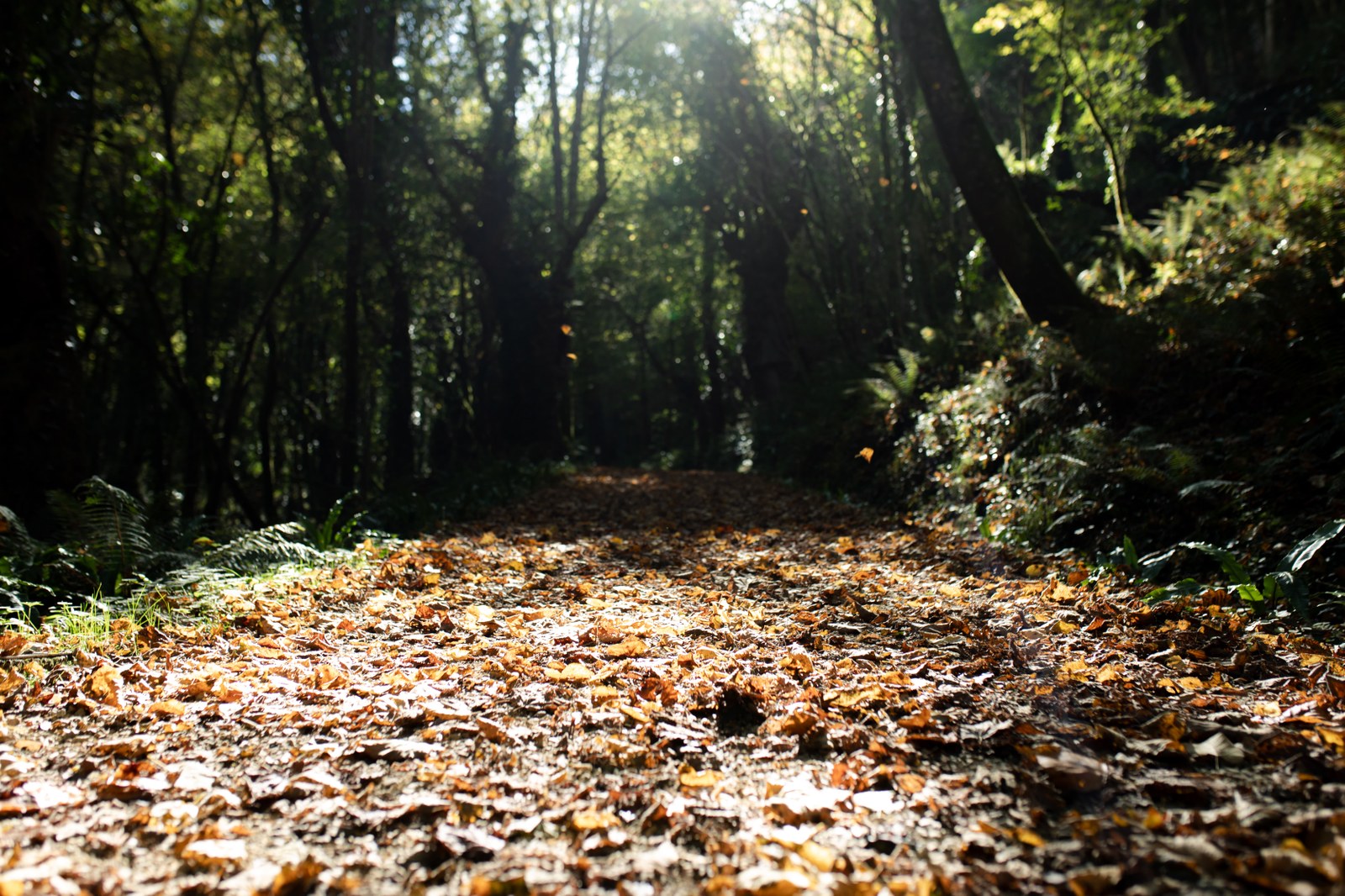
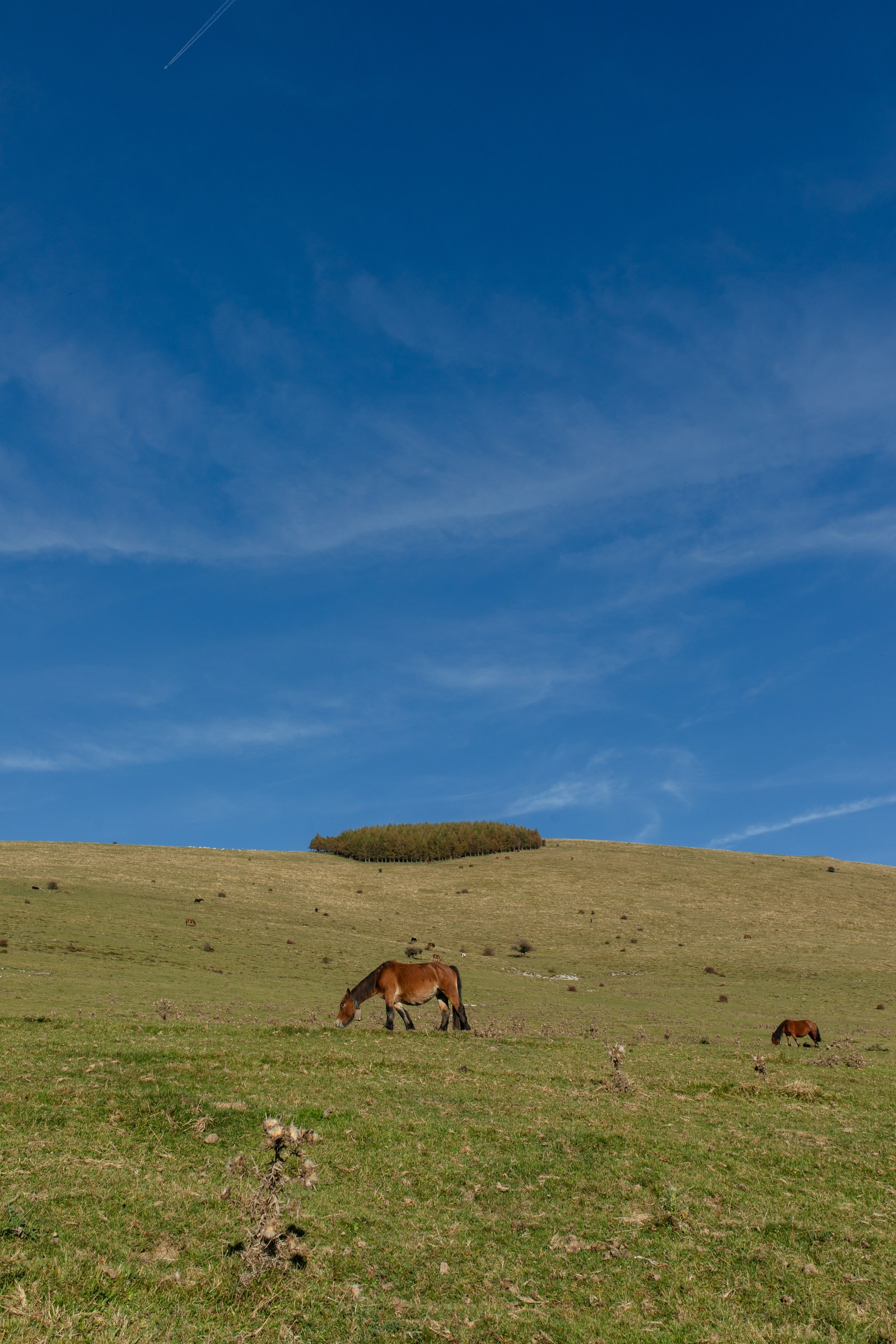
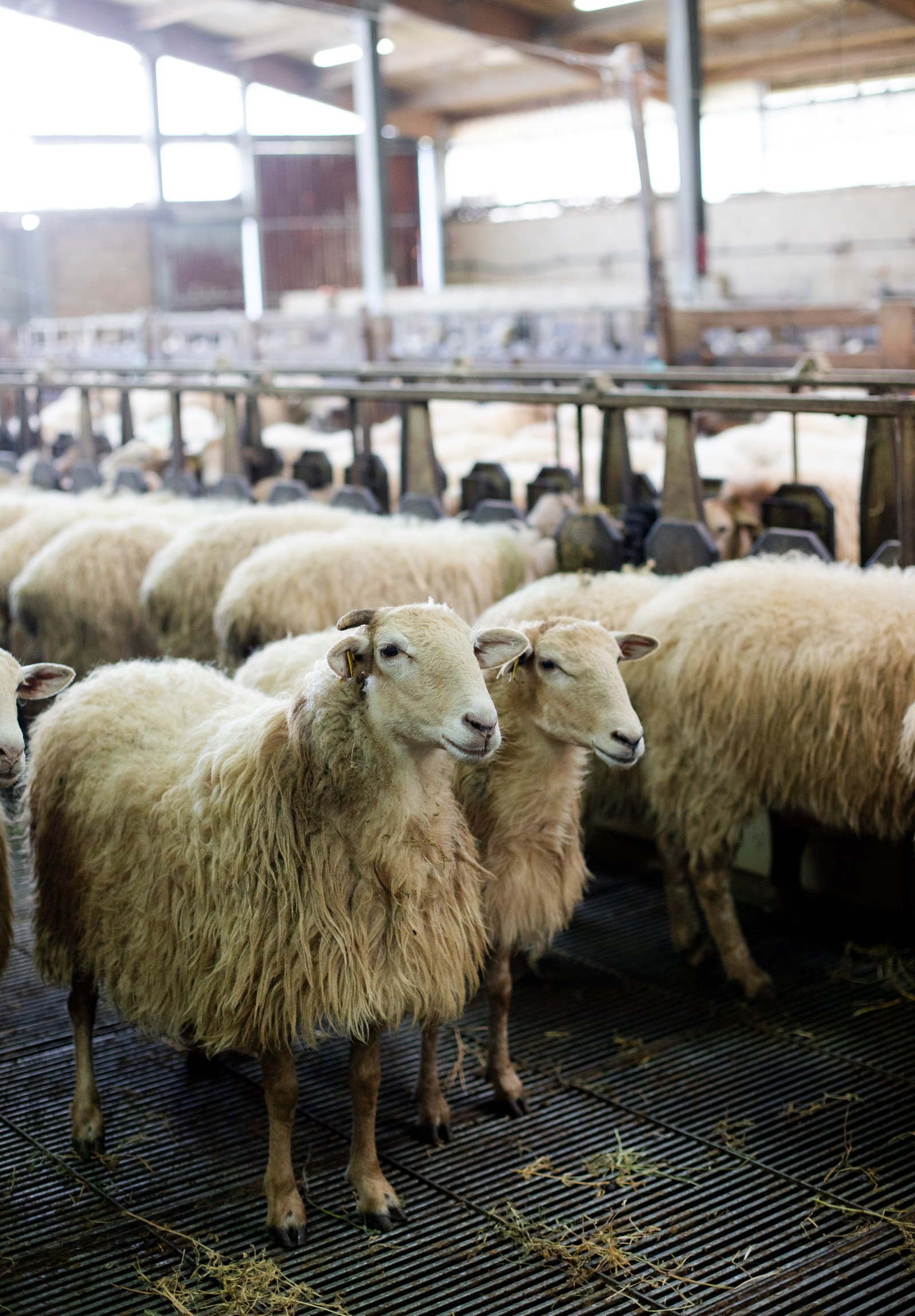
Magnificent, extensive native forests—beech forests and pedunculate oak (Quercus petraea) groves—have survived to this day in the Natural Park... In the higher areas of the mountains, trees are scarcer, and as a result, mountain meadows and heathlands often appear, a result of the continuous grazing of the Latxa sheep, native to these mountains.
In the countryside on the northern slope, one can observe the typical mosaic landscape associated with Basque farmsteads. It consists mainly of meadows, vegetable gardens, and fruit orchards, among which are small stands of Pinus insignis. On some slopes, conifer plantations extend over large areas.
A very unique flora grows on the limestone layers, rich in species endemic to the high Cantabrian and Pyrenean mountains. Other habitats of great botanical interest are the emerging peat bogs attached to siliceous substrates, such as the one at Arbarrain (Altzania).